Google announced a wave of AI features rolling out to Android phones starting with Pixel devices, bringing AI agents, local language models, and smarter multitasking to millions of users. Android 17 and the Gemma 4 AI model are the centerpieces of a push to move AI processing directly onto phones.
The shift matters because it means less reliance on cloud servers and faster, more private AI experiences. Phone owners get intelligence without network latency. Google gets a stronger position against Apple’s private-on-device AI push.
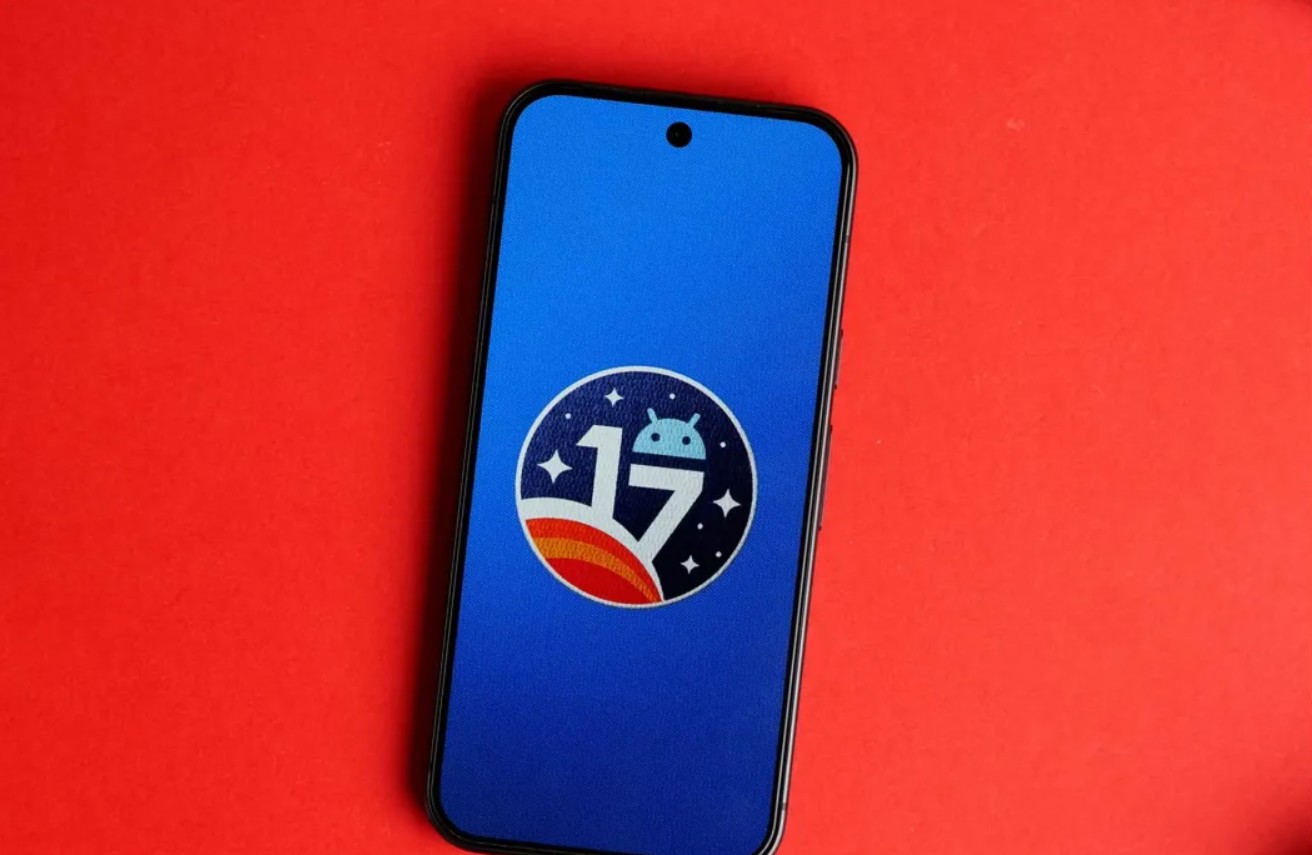
What’s New in Android 17
Floating app windows let users run multiple apps side-by-side without switching back and forth. Screen Reactions automatically records your face reacting while you watch videos or browse. Both features use on-device AI to work smoothly without draining battery.
Foldable gaming got an overhaul. Screens now adapt layouts in real time when you fold and unfold. The system understands context—it knows which app needs which screen orientation.
Gemma 4 on Your Laptop
Google released Gemma 4 12B, a small but capable language model that runs entirely on-device. You need just 16GB of memory. It combines unified architecture with vision capabilities and native voice processing. No internet required.
This matters for privacy-conscious users and developers building local-first applications. Smaller models didn’t compromise much on reasoning, research, or drafting tasks.
The Bigger Picture
The June Pixel Drop included video and music creation powered by AI, plus screen recording enhancements. The pattern is clear: Google is decentralizing AI. Every layer of Android—from system to individual apps—now bakes in intelligence.
The race is on. As Apple, Google, and others push AI onto phones, the devices that feel the smartest will win.

Follow iNews Zoombangla On Google
Open the Google follow page and tap the checkmark option to receive more updates from iNews Zoombangla in your Google news feed.