India’s electric-vehicle plans are moving beyond the question of how many vehicles can be assembled. The harder test is whether the country can build a dependable local supply chain for the materials, magnets, cells, electronics and software that sit behind an electric powertrain.
Government documents show why the challenge is broad. India has been working on programmes for advanced chemistry cells, critical minerals and rare-earth permanent magnets. Those initiatives address different parts of the value chain, but they meet at the same practical point: vehicle makers need components that are available, consistent and tested before a new platform can scale.
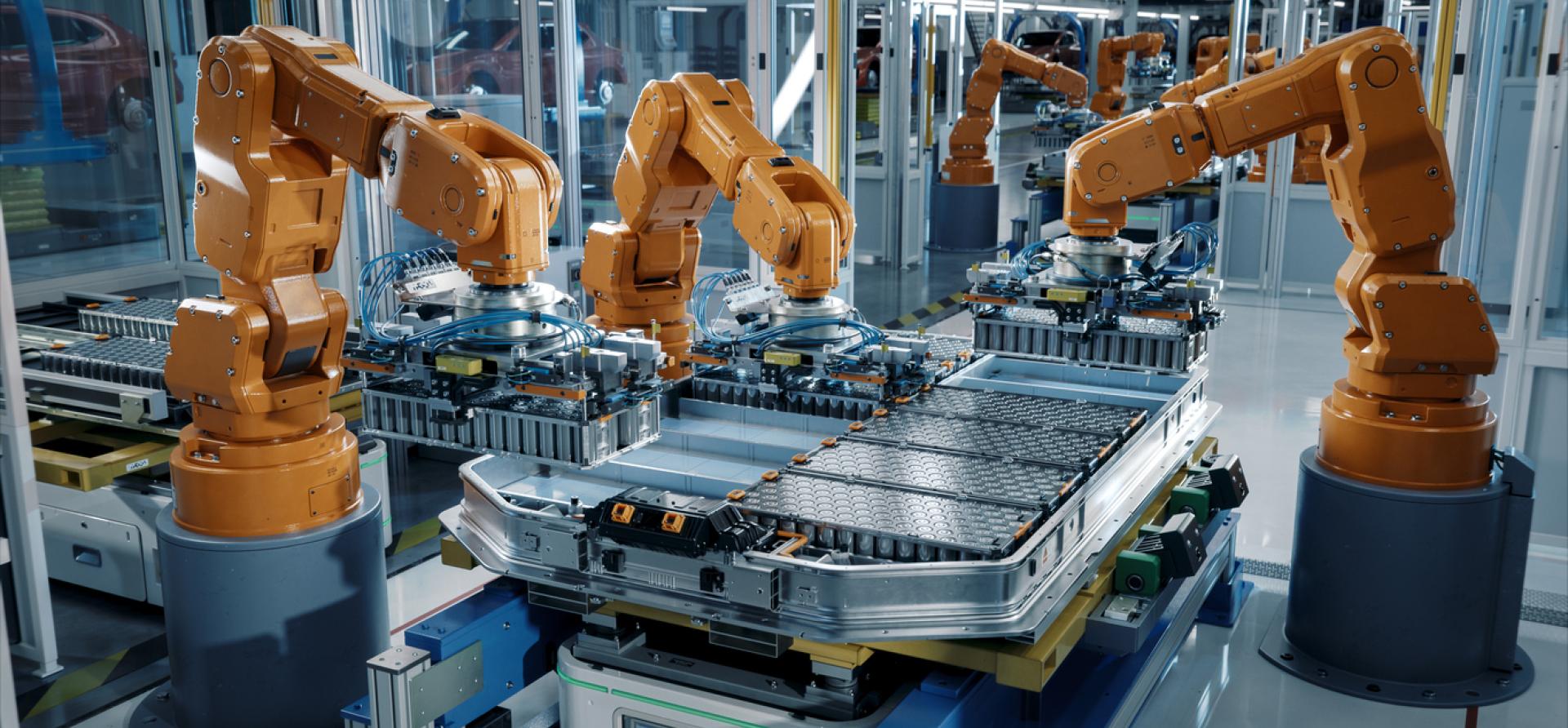
Battery sourcing is often discussed as if it were only a question of importing or making cells. In reality, a battery system also needs separators, current collectors, thermal controls, battery-management electronics, enclosures and safety testing. A weakness in any of those areas can delay production or make after-sales support harder.
The government’s battery and mineral policies also underline the need for traceability. Companies have to know where key materials come from, how they were processed and whether the parts meet the specifications used in a vehicle. That record becomes more important when a battery is repaired, reused or sent for recycling at the end of its first life.
Localisation can help manufacturers shorten supply routes and develop products around Indian operating conditions. It can also create opportunities for smaller component companies in testing, power electronics and industrial software. But local production does not automatically mean local capability. Suppliers still need quality systems, skilled workers and enough demand to justify investment.
For vehicle buyers, the effect may appear as better service rather than a headline feature. A stronger component ecosystem can improve parts availability and make it easier for technicians to diagnose a fault. It may also give manufacturers more control over software, updates and safety documentation.
India’s battery push is therefore a technology test as much as an industrial policy. The country will need cooperation across minerals, manufacturing, testing and recycling. The businesses that can connect those steps will help determine how confidently electric vehicles move from early growth to a durable market.