
India’s electric-vehicle growth is creating a second technology challenge: what happens to batteries after years of use? Government and research documents increasingly treat recycling as part of the EV supply chain, not as a problem to solve after the market has matured.
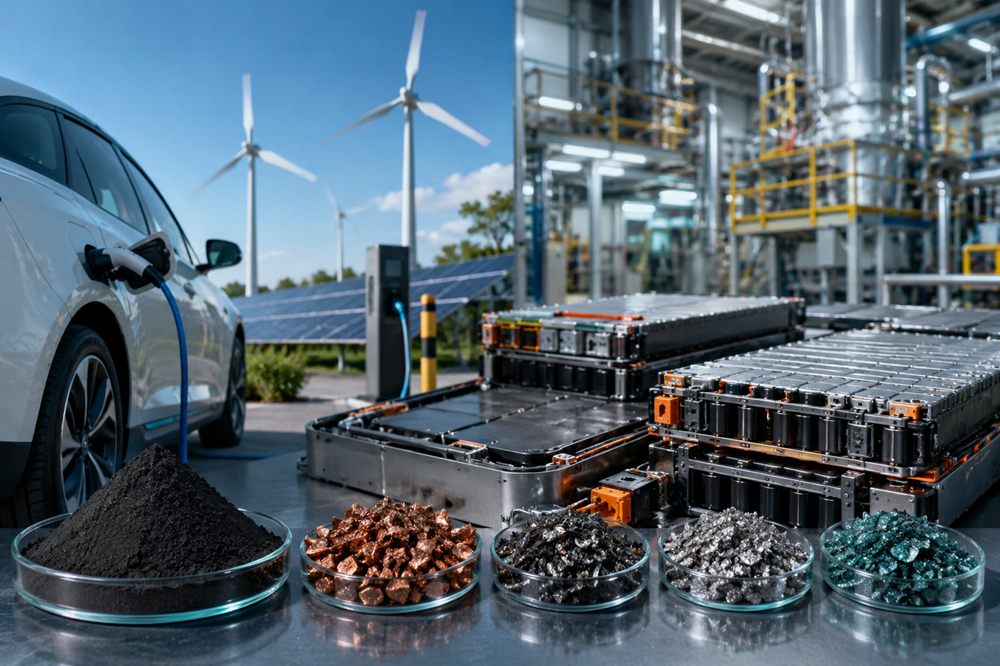
The Ministry of Heavy Industries and the European Union have launched a coordinated call focused on recycling EV batteries. The initiative is designed to move research toward industrial projects, with attention to processes that can recover valuable materials and reduce dependence on imported minerals.
India’s battery-recycling market is still developing. NITI Aayog has said end-of-life lithium-ion batteries will rise rapidly, but the sector faces limited capacity, collection problems and difficulty building economies of scale. Those constraints can make a battery hard to trace after it leaves a vehicle.
Recycling also needs careful engineering. Batteries may be dismantled and processed through pyrometallurgy, hydrometallurgy or newer direct-recycling methods. The right method depends on chemistry, safety, equipment and the material a recycler is trying to recover. A headline percentage cannot tell the whole story.
Collection is just as important as the plant. Owners, dealers, manufacturers and approved recyclers need a clear handoff so damaged or worn batteries do not enter informal channels. A battery can still hold a large amount of energy after it stops meeting a vehicle’s range needs, which makes careless handling dangerous.
India’s Battery Waste Management Rules include extended producer-responsibility requirements. That framework puts pressure on producers to account for batteries and their end-of-life treatment. Traceability will become more important as recycled-content expectations rise and companies need to prove where materials came from.
A stronger recycling system could support cleaner EV growth, local jobs and a more reliable materials market. It will not remove the need for new mining or imports overnight, but it can keep lithium, cobalt, nickel and other materials in use for longer. The next phase of India’s EV story will depend on that circular link.