India’s electric-vehicle charging network is becoming a data problem as well as an infrastructure problem. A station can be counted on a map, but operators need more information to know whether it is serving drivers reliably, where capacity is tight and what needs to be repaired.
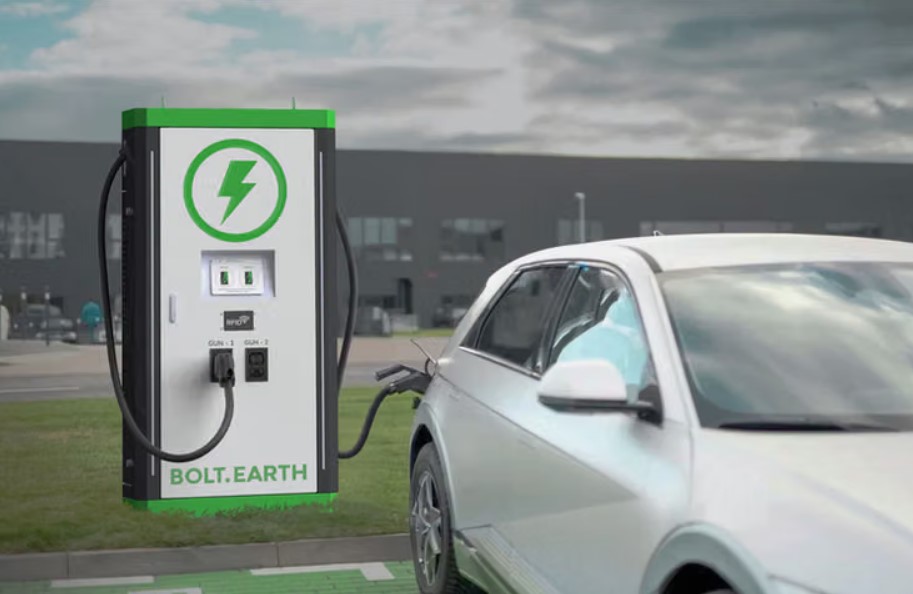
Charging-session telemetry is the record created when a vehicle connects, draws power and ends a session. Used responsibly, it can show the time of day when demand rises, how long vehicles occupy a connector and whether a charger stops before the customer expects. Those signals help an operator improve a network without relying only on complaints.
The Central Electricity Authority’s EV charging reports give planners a formal reference for the country’s charging build-out. The reports are useful because network growth cannot be judged only by the number of installations. Grid connection, equipment uptime, site access and payment reliability determine whether a station works in real life.
For a driver, better telemetry should lead to better information. A charging app can report a station’s current status, show whether a connector is available and warn when a location is undergoing maintenance. That information needs to be refreshed often enough to match conditions on the ground.
For a utility or charging operator, the same data can support planning. Repeated high demand may justify another charger or a stronger connection. Frequent interruptions may point to a hardware fault, a network problem or a payment failure. Session length can also help distinguish a busy urban stop from a location mainly used for longer journeys.
Privacy has to be part of the design. Operators should collect only what they need, explain how it is used and avoid exposing a driver’s routine through public dashboards. Aggregated data can support planning without turning a charging record into a personal travel history.
India’s charging market will benefit when telemetry is treated as an operational tool rather than a marketing extra. Reliable data can make stations easier to find, easier to maintain and easier to expand. That is how a growing collection of plugs becomes a network that drivers can trust.