Indian drivers are showing interest in electric vehicles, but a new mobility discussion makes one point clear: curiosity about an EV does not remove the need for practical charging. Buyers still have to match a vehicle with the trips they make, the place where they park and the support available when something goes wrong.
Ipsos India’s mobility report describes a market where public transport, two-wheelers, walking and private cars all remain important. That mix helps explain why electric adoption will not follow one path. A compact electric scooter, a family car and a commercial vehicle face different costs, routes and charging needs.
For a potential buyer, the first question is often not the vehicle’s headline range. It is whether charging fits into a normal week. Home parking can make ownership simpler, while apartment residents or people who park on the street may depend on public or workplace facilities. The answer can change even between two households in the same city.
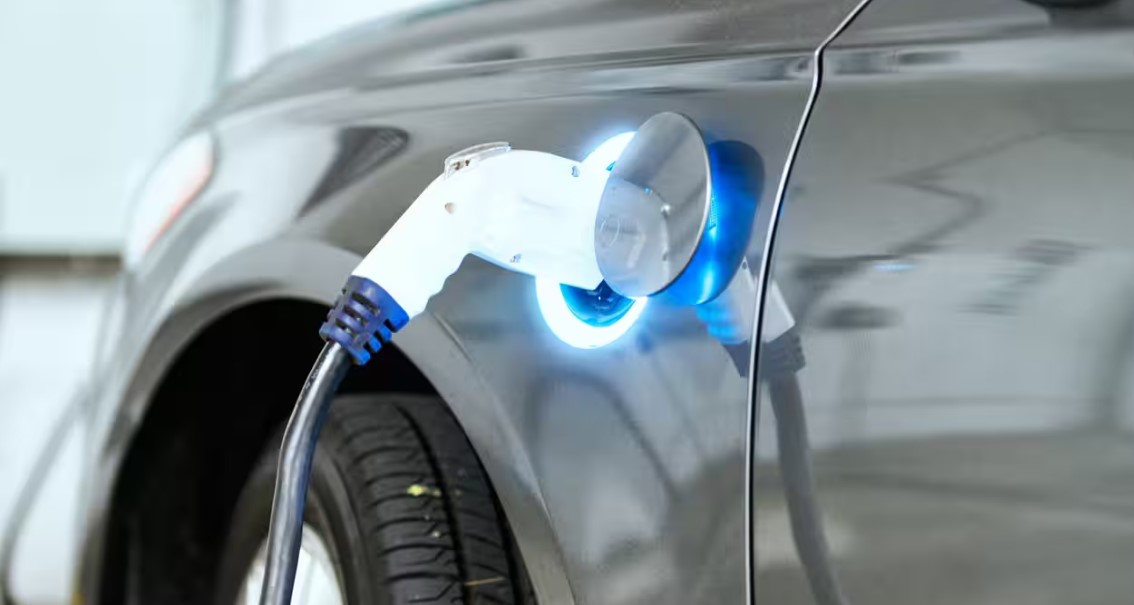
Public charging also needs to feel predictable. Drivers need accurate location information, a connector that works with the vehicle, a clear payment process and a reasonable chance that the station will be available. When any of those details fail, a driver may remember the inconvenience more strongly than the benefits of electric running.
The survey context is useful for companies planning new services. It suggests that the EV customer is not only buying a powertrain. The customer is evaluating an ecosystem that includes charging, maintenance, financing, software and roadside help. A brand that explains those parts clearly can make a new technology easier to understand.
Policymakers face a similar challenge. Expanding the number of charging points is important, but so are grid connections, maintenance rules, parking access and information standards. A charger that is difficult to find or frequently unavailable does not deliver the same value as one that drivers can trust.
India’s EV opportunity therefore depends on lowering uncertainty as much as promoting a new vehicle type. The Ipsos findings point toward a measured approach: understand how people actually travel, build services around those patterns and make charging reliable enough to become an ordinary part of the journey.