Apple‘s iPhone 18 Pro is shaping up to cost significantly more to build, according to supply chain reports pointing to a sharp jump in chip manufacturing costs tied to the device’s new processor. The reports are rumors at this stage, based on industry analysts and component suppliers rather than Apple itself, which has not commented on pricing.
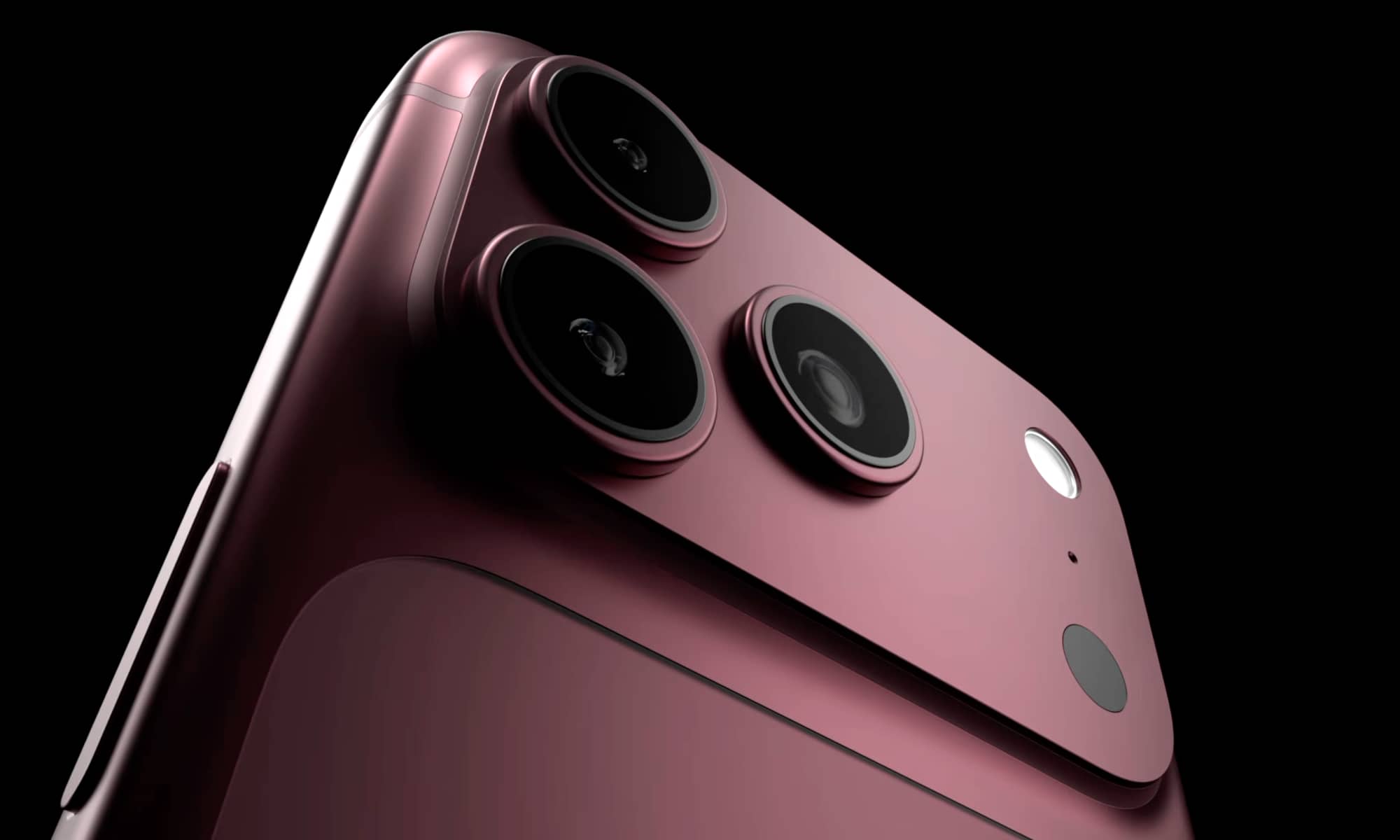
At the center of the increase is the A20 Pro chip, expected to be the first Apple processor built on TSMC’s 2nm N2 process, the chipmaker’s first mass-production node using gate-all-around nanosheet transistors. A 12-inch silicon wafer on the new process reportedly costs around $30,000, up from roughly $20,000 for the outgoing 3nm generation, with each wafer yielding an estimated 300 to 400 usable chips.
Estimates of the per-chip cost vary. Some supply chain reports put the A20 Pro’s unit cost climbing toward $280, an increase of roughly 87 percent over the A19 Pro. Other analysts offer a more conservative figure, estimating the chip’s cost rising from around $50 to $85. Either way, the direction is the same: the new node costs meaningfully more to produce at scale.
Market research firm IDC revised its own pricing forecast in late June, projecting a $200 increase for the Pro and Pro Max models. Under that scenario, the iPhone 18 Pro would start near $1,299 and the Pro Max near $1,399, up from current pricing. Storage upgrades are expected to add further cost, with component prices for the 1TB model reportedly rising by close to $300 once NAND flash, DRAM and the new chip are factored in together.
Apple has historically absorbed some manufacturing cost increases rather than passing them fully to consumers, so the final retail pricing remains unconfirmed until the company’s expected September announcement. Analysts tracking the supply chain say Apple’s decision will hinge on how much of the 2nm cost increase it is willing to eat to keep flagship pricing competitive against Samsung’s Galaxy S26 lineup.

Follow iNews Zoombangla On Google
Open the Google follow page and tap the checkmark option to receive more updates from iNews Zoombangla in your Google news feed.