Nvidia chief executive Jensen Huang has renewed attention this week for comments predicting that the artificial intelligence data center boom will create large numbers of six figure jobs in construction trades such as electrical work and plumbing, rather than only in software engineering.
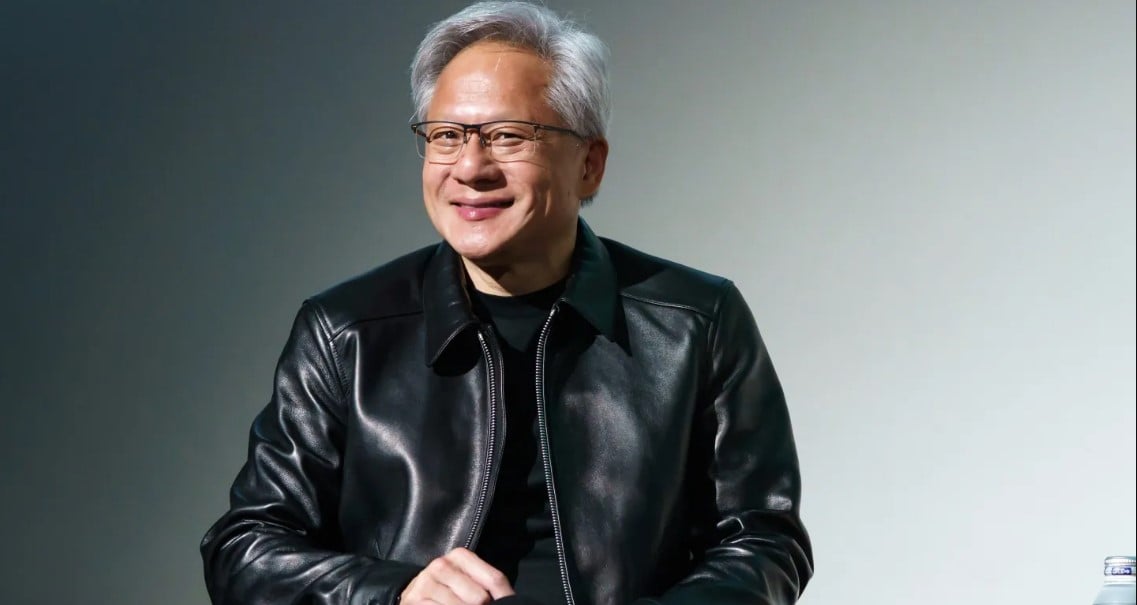
Huang has pointed to an estimated 7 trillion dollars in global infrastructure spending by the end of the decade, describing it as one of the largest infrastructure buildouts in history. He argued that the physical work of building AI data centers, not just the software running inside them, will drive demand for skilled trades workers who do not need a college degree.
Speaking at Carnegie Mellon University’s commencement in May, Huang told graduates: “Electricians, plumbers, iron workers, technicians, builders, this is your time,” adding that “AI is not just creating a new computing industry, it is creating a new industrial era.” He made a similar case earlier this year at the World Economic Forum in Davos, Switzerland, calling the AI buildout “the largest infrastructure build-out in human history that’s going to create a lot of jobs” and noting that workers building chip factories and AI data centers could earn six-figure salaries without a traditional engineering degree.
Industry estimates back up part of the claim. A McKinsey projection cited alongside Huang’s comments estimates the United States will need about 130,000 additional electricians, 240,000 construction laborers and 150,000 construction supervisors between 2023 and 2030, at a time when the country is already short an estimated 500,000 construction workers.
The scale of spending behind Huang’s forecast is already visible in corporate earnings. Capital expenditure from the largest US technology companies could reach roughly 700 billion dollars this year alone, according to industry estimates, most of it tied to building and equipping the data centers needed to train and run AI models. Huang has made the trades pitch a recurring theme of his public appearances this year, repeating variations of the message at both the Davos forum in January and the Carnegie Mellon ceremony in May, part of a broader effort by Nvidia to frame the AI boom as a source of blue-collar opportunity rather than only white-collar disruption.

Follow iNews Zoombangla On Google
Open the Google follow page and tap the checkmark option to receive more updates from iNews Zoombangla in your Google news feed.