K2 Space, a startup building large, high-power satellites, has raised $500 million in a Series D funding round at a $6.8 billion valuation, pushing its total funding raised since 2022 past $1 billion.
The round was led by venture firms Kleiner Perkins and ICONIQ, with participation from CapitalG, Lightspeed Venture Partners, Altimeter, Spark Capital, Sands Capital, ARK Invest, and accounts advised by T. Rowe Price Associates, among other existing investors. The company said the new funding will support expanded manufacturing of its satellite platforms for both commercial and government customers.
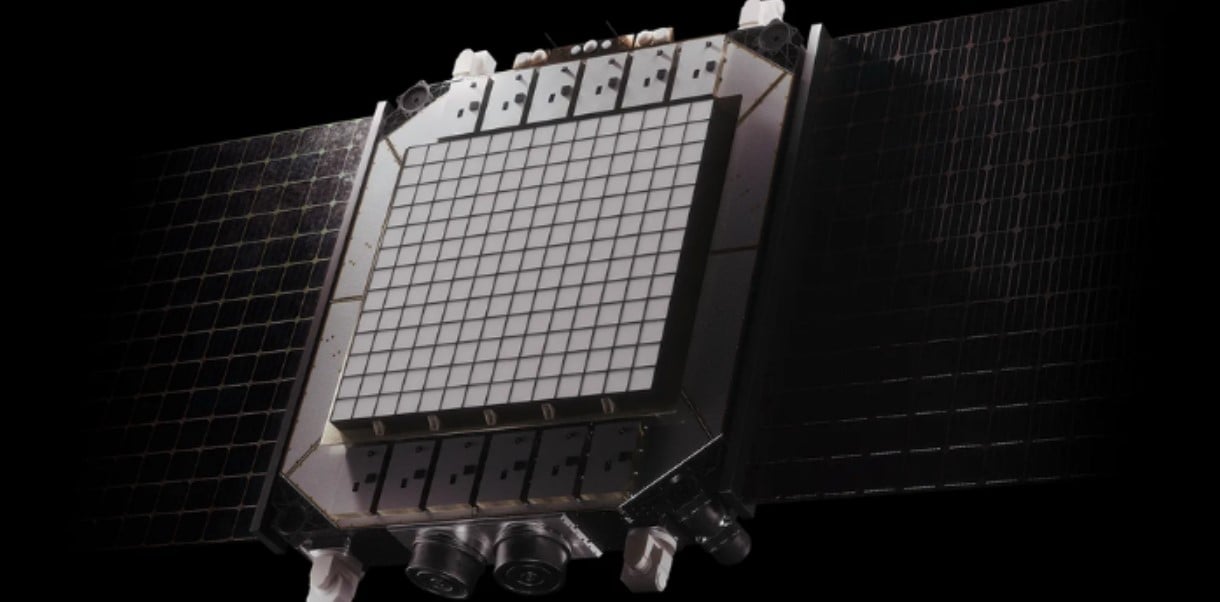
Unlike much of the satellite industry, which has moved toward smaller, cheaper spacecraft launched in large constellations, K2 Space has built its business around large, high-power satellite buses designed to carry heavier payloads and generate significantly more onboard power, including for AI processing in orbit. The company operates a 180,000-square-foot manufacturing facility in Torrance, California, with capacity to build as many as 100 satellites a year.
K2 Space has also secured more than $1 billion in signed commercial and government contracts, according to the company. Its customers include an initial order for 30 satellites supporting SES’s planned meoSphere network, a medium-Earth-orbit satellite constellation. The company was also selected as the satellite bus provider for the US Space Force’s Protected Tactical Satcom-Global program, marking its first selection for a formal Pentagon program of record.
The funding round follows a milestone flight test in which K2 Space said it operated the most powerful electric propulsion thruster yet flown in orbit, a technology the company has positioned as central to powering its larger satellite designs. The raise adds K2 Space to a small group of space startups that have reached multibillion-dollar valuations as demand grows from both commercial satellite operators and US defense agencies investing in space-based infrastructure. The company was founded in 2022 and has grown quickly within an industry increasingly shaped by both commercial broadband constellations and renewed government interest in resilient, higher-power satellite systems.

Follow iNews Zoombangla On Google
Open the Google follow page and tap the checkmark option to receive more updates from iNews Zoombangla in your Google news feed.