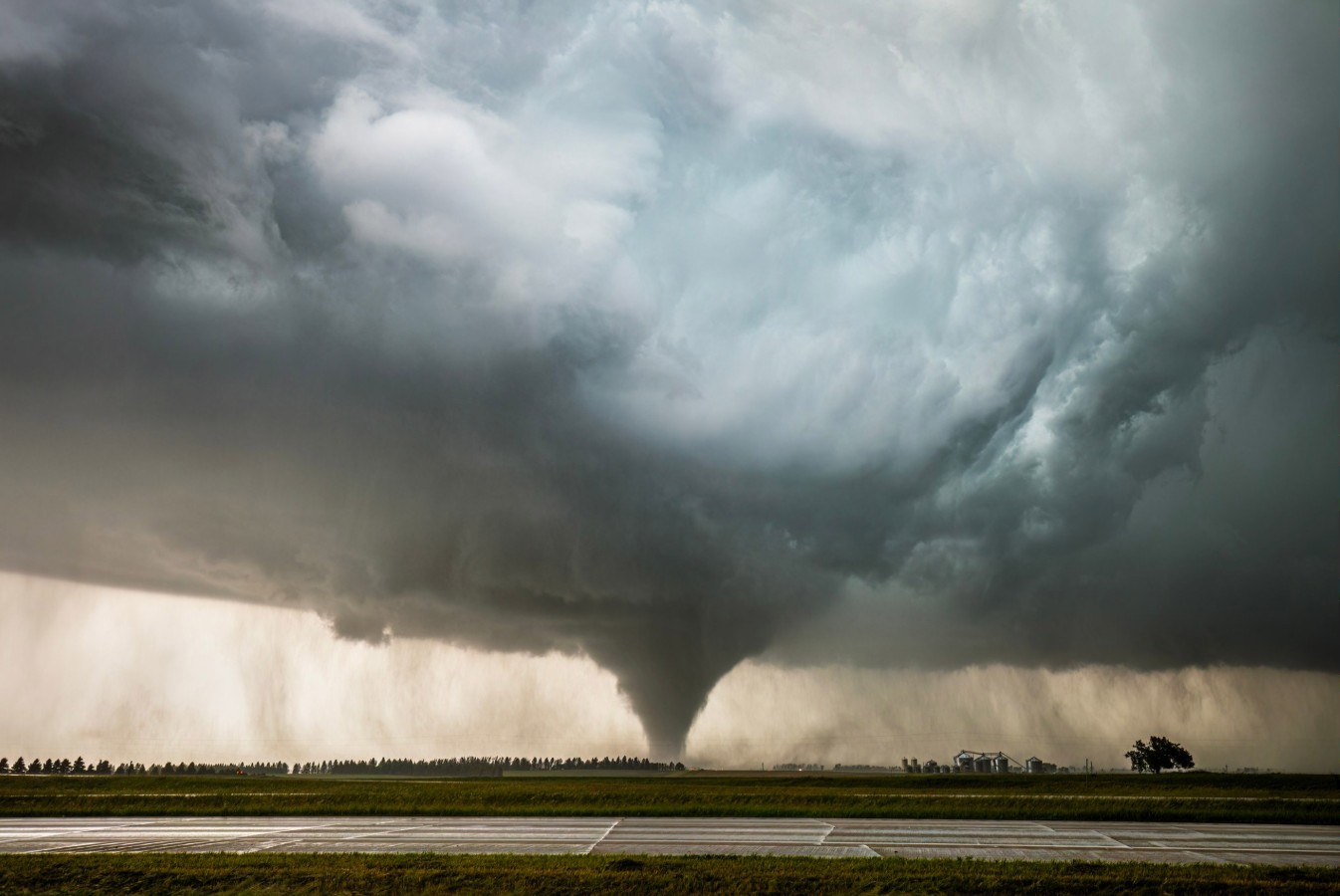
A severe weather outbreak swept across the Midwest from June 10-12 and again June 17-18, 2026, producing 82 tornadoes across Illinois, Indiana, Iowa, Kentucky, Ohio, and Wisconsin. The storms generated 2,392 total storm reports and caused widespread damage across six states.
The June 11 outbreak was particularly intense. Multiple strong to intense tornadoes spawned across northern Illinois and northwest Indiana during the late afternoon and evening. A tornado emergency was issued for Washburn, Illinois when an EF3 tornado touched down in the area. The same supercell that produced that tornado spawned another EF3 that impacted the south-southeastern portions of Streator, Illinois.
High-end EF3 tornadoes also touched down near Kouts, Indiana and Ross, Indiana. A large EF1 tornado tore through Dwight, Illinois. The violence was compounded by baseball-sized hail and damaging wind gusts approaching 80 miles per hour across multiple states.
Power outages were extensive. By Thursday afternoon following the June 17-18 outbreak, more than 82,000 customers had lost electricity across the affected states. Utility companies mobilized crews to restore service, but the scale of damage meant full restoration would take days for some areas.
The timing during June was unusual. While Midwest tornado activity peaks in spring, severe weather activity can extend into early summer. The combination of unseasonably strong atmospheric conditions created the setup for a prolonged and damaging outbreak.
Damage assessments are ongoing, with preliminary reports documenting destroyed buildings, uprooted trees, and damaged infrastructure across the path of the tornadoes. Emergency management agencies activated disaster response protocols to assist affected communities.
The outbreak is a reminder of tornado risk in the Midwest during the transition between spring and summer. Communities in the region maintain tornado sirens and warning systems designed to provide minutes of notice before violent weather arrives.

Follow iNews Zoombangla On Google
Open the Google follow page and tap the checkmark option to receive more updates from iNews Zoombangla in your Google news feed.