Wimbledon 2026 concludes July 12 with its final matches. Defending champion Jannik Sinner faces Alexander Zverev in the men’s singles final. Zverev is attempting to complete the Channel Slam after winning the French Open. The women’s final pits no. 9 seed Linda Noskova against no. 10 seed Karolina Muchova—an all-Czech battle.
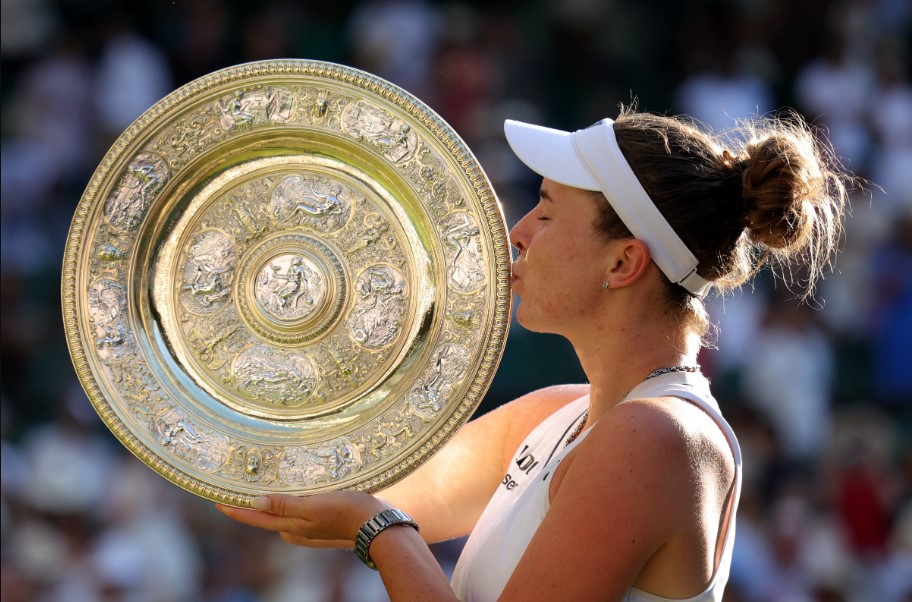
The tournament ran June 29 through July 12. This year’s Wimbledon delivered memorable moments. Novak Djokovic surpassed Roger Federer‘s record of 108 Wimbledon men’s singles match wins during the tournament. Arthur Fery, a British wildcard, reached the semifinals—the first British male wildcard to do so at a major tournament in the Open Era.
The Men’s Final: Sinner vs. Zverev
Jannik Sinner is the defending champion. He won last year and arrives as favorite. Sinner plays aggressive baseline tennis. He hits through the court and pressures opponents. Wimbledon’s grass is faster than clay or hard courts, which traditionally favors aggressive players.
Alexander Zverev won the French Open on clay—a complete opposite surface. Grass requires different footwork, different stroke patterns. The ball skids lower. Serve becomes more dominant. Zverev’s height and serve strength are assets. But clay success doesn’t predict grass success.
Zverev completed the Channel Slam. No player in the modern era has won Roland Garros and Wimbledon in the same year since Borg in 1978. That pressure is real. Nailing two majors on different surfaces tests a player across every dimension.
The Women’s Final: An All-Czech Affair
Linda Noskova is the higher seed at number 9. She dominated the first set of the final 6-2. Her tennis looked clean and efficient. She broke Muchova twice and never faced break point in the opening set.
Muchova, seeded number 10, hasn’t gone away. She fought back in the second set. The match remains open. This is the first all-Czech women’s final at Wimbledon in the Open Era. Both players are young. Both have years ahead. Winning this title launches a career in ways that a third-round exit cannot.
Previous Czech success at Wimbledon is limited. The men’s game has produced more Czech stars. A women’s champion from Prague would be significant for Czech tennis globally.
Why Wimbledon Still Matters
Wimbledon is the most prestigious grand slam. Players and coaches say so. Money is better. Prestige is higher. The all-white dress code, the traditions, the grass courts—these create a different event. Modern tennis has become homogenized. Grand Slams stand apart.
Grass tennis is disappearing. Wimbledon is one of three grass majors in tennis now. Guarding grass technique is becoming specialized. Players who excel here are increasingly distinctive.
Sinner’s Path Forward
Sinner is 22 and already a major champion. The question is whether he wins three, four, five of them. His level is high. The competition is deep. Grass suits him. Hard courts suit him. His coach and team are excellent. Expectations rise quickly when you’re defending a Wimbledon title.
The women’s final is a moment for both players. Czech tennis gets a story either way. The winner carries that weight globally. Noskova’s strong start suggests confidence. Muchova’s resilience shows she isn’t done.
The finals conclude Sunday at Centre Court, live worldwide.