Microsoft announced on July 9, 2026, that Windows AI is expanding its vulnerability management capabilities across discovery, remediation, validation, and customer guidance. The expansion represents Microsoft’s bet that artificial intelligence can find security flaws faster than human researchers.
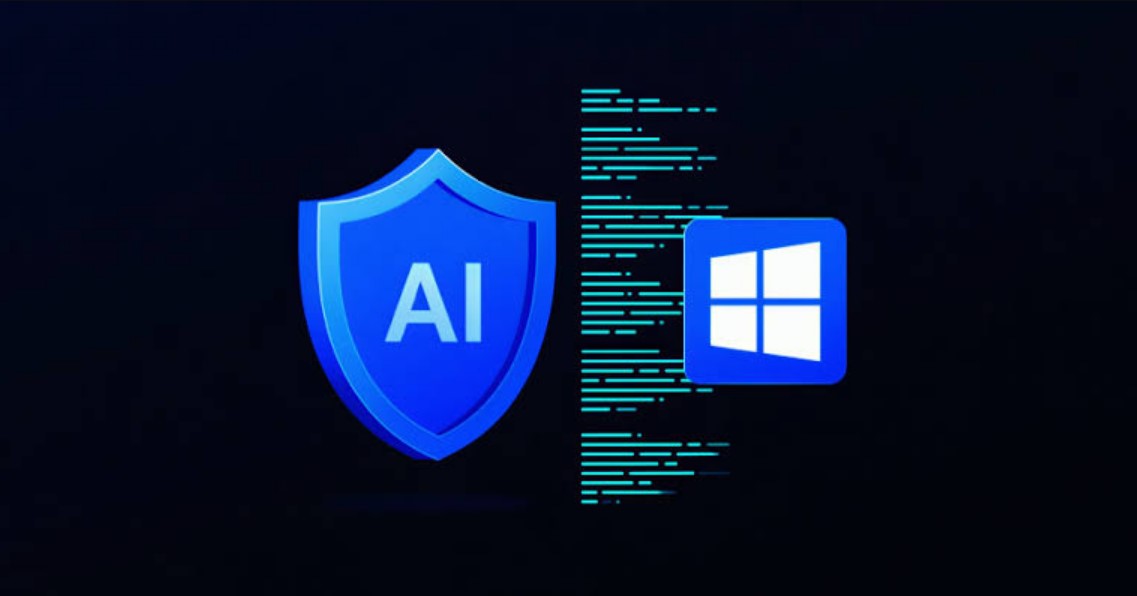
The tool driving this push is MDASH—Microsoft’s multi-model agentic scanning harness. It works by combining different AI models to detect vulnerabilities across code and infrastructure. Early results show MDASH found 16 vulnerabilities that human security researchers missed in areas like TCP/IP stack and IKEv2 authentication services on Windows 11.
July Patch Tuesday Impact
Microsoft’s July 2026 Patch Tuesday update fixed 570 vulnerabilities across its products. That’s more than four times the 137 vulnerabilities patched in July 2025. The dramatic increase signals how AI-assisted security scanning is changing the volume and velocity of security work.
More patches mean more risk for systems that don’t update quickly. But it also means fewer zero-day exploits going unpatched. Microsoft is betting customers accept higher patch frequency if it means fewer critical flaws remain open longer.
How MDASH Works
MDASH scans code and infrastructure, flags suspicious patterns, and routes findings to human researchers for validation. Humans still make final calls on severity and priority, but AI handles the repetitive pattern-matching work that once consumed researcher time.
The system learns from each finding, improving detection in areas like authentication, networking, and service integration. Over time, MDASH should catch vulnerabilities that follow known patterns before they become exploits.
Broader Implications
Microsoft says that as AI helps security researchers find more issues across more code, customers will see higher volumes of security fixes in future releases. This creates a new operating cost: patching. Organizations using outdated Windows builds face growing risk as vulnerability counts accelerate.
Microsoft’s AI-powered security scanning shows how enterprises will trade patch volume for patch quality—more frequent updates to eliminate vulnerabilities faster than they can be weaponized.

Follow iNews Zoombangla On Google
Open the Google follow page and tap the checkmark option to receive more updates from iNews Zoombangla in your Google news feed.