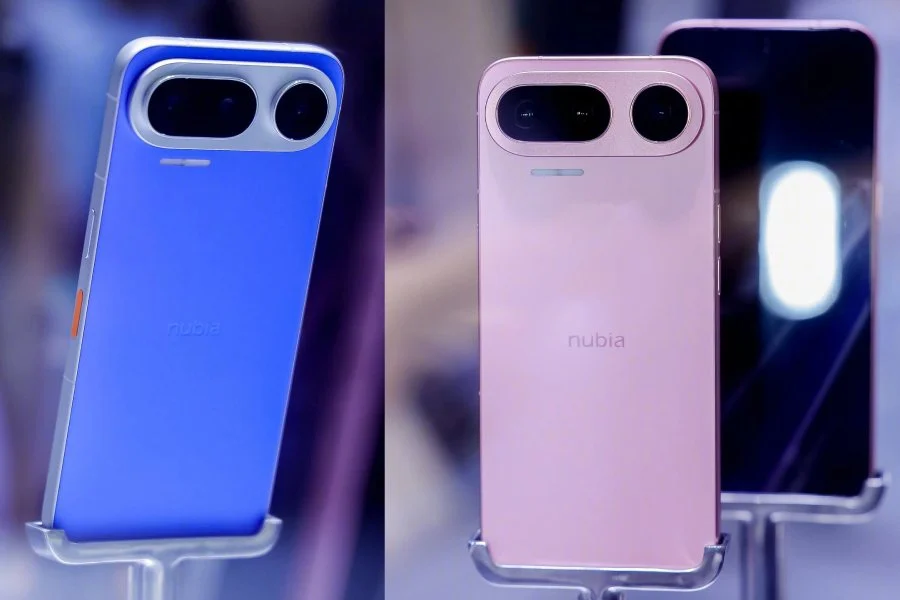
Chinese phone maker Nubia unveiled the NaviX Ultra, a smartphone powered by Doubao, ByteDance’s popular AI chatbot. The phone uses Doubao for on-device AI tasks—voice commands, text composition, image generation, and autonomous task execution. Nubia targets the growing segment of AI-first smartphone users who see AI not as novelty but as core functionality.
Doubao is China’s answer to ChatGPT. ByteDance created it to compete with OpenAI’s dominance and to monetize through enterprise licensing. Nubia’s partnership makes Doubao accessible to mainstream consumers via smartphone UI, lowering friction compared to visiting a web interface or mobile app.
Market Positioning
The global smartphone market is saturated. Every major manufacturer produces interchangeable devices. Differentiation now occurs through software and AI. Apple integrated Siri deep into iOS. Google built Pixel phones around Assistant. Samsung partnered with Google. Nubia’s bet on Doubao positions it as a frontier player willing to use third-party AI partners.
This strategy works in China where Doubao already has massive user base and trust. International expansion is uncertain—users outside China may not know Doubao and may prefer local AI assistants integrated with their existing device ecosystem.
On-Device AI Performance
NaviX Ultra handles some AI tasks locally on-device (voice recognition, image processing) and clouds others to Doubao servers (text generation, complex reasoning). On-device processing protects privacy but is computationally limited. Server-based processing is powerful but requires connectivity and data transmission.
The hybrid model is standard across flagship phones. What differentiates NaviX is the depth of Doubao integration—the system is built around AI-first workflows, not AI bolted onto a conventional phone OS.
Broader AI Phone Trend
Phone makers increasingly market AI as the primary use case. Google pushed Pixel as an AI phone. Apple launched iOS 18 with on-device AI features. Samsung released Galaxy AI. Nubia joining this race with ByteDance’s AI signals AI integration is now table stakes for flagship devices.
The question is whether users actually prefer AI-first phones or whether the feature set matters only at purchase decision time, then remains unused. Early data suggests AI features have low engagement—many users enable them at setup then ignore them. NaviX’s success depends on Doubao being genuinely useful for daily tasks, not just impressive at launch events.
Every phone company now claims their AI is the smartest. The winner isn’t who markets AI best—it’s who builds AI workflows so useful that users can’t imagine using a phone without them.
FYI (keeping you in the loop)
Can I use NaviX Ultra outside China?
International availability was not confirmed at launch. Doubao features may have limited functionality outside mainland China due to different regulatory environments.
References
The Star. (2026). Pocket-size AI: Powerful Phones Star at China Show.
TechCrunch. (2026). AI Smartphone Race Heats Up with Nubia NaviX Ultra Launch.
Anandtech. (2026). ByteDance Doubao Integration in Nubia Phones.

Follow iNews Zoombangla On Google
Open the Google follow page and tap the checkmark option to receive more updates from iNews Zoombangla in your Google news feed.