Brent crude futures fell 4.33% to $73.74 per barrel June 24, marking their lowest level since February when the U.S. and Israel first launched airstrikes against Iran. The decline reflects easing geopolitical risk following the Iran nuclear agreement.
President Trump stated June 24 that Iran had informed him there would be no tolls, insurance costs, or charges for ships transiting the Strait of Hormuz. The shift reversed months of supply disruption concerns and shipping insurance surges.
Energy markets have been watching Middle East stability closely since February escalation. Higher oil prices fed into broader inflation readings. The Iran deal removes a major uncertainty premium from crude.
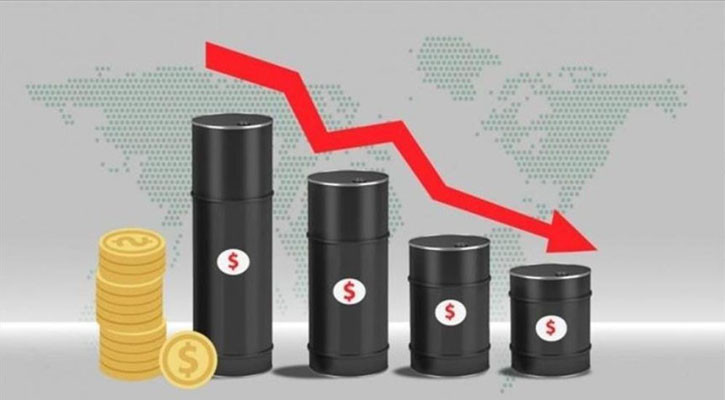
Chevron expects U.S. gasoline prices to decline as the region stabilizes further. Transportation costs and consumer inflation should ease accordingly. The move benefits anyone with exposure to energy-dependent logistics.
Gold futures slipped below $4,000 for the first time in seven months, also reflecting reduced geopolitical risk premiums. Traditional safe-haven assets lose appeal when global tensions ease.
The oil market remains sensitive to production decisions from OPEC and Russia. Longer-term prices depend on whether Iran sanctions ease further or tighten again.

Follow iNews Zoombangla On Google
Open the Google follow page and tap the checkmark option to receive more updates from iNews Zoombangla in your Google news feed.