OpenAI is building its first consumer device: a smart speaker with advanced voice AI that will compete directly with Amazon Echo, Google Nest, and Apple HomePod. The company plans to announce the device late this year with launch targeted for early 2027.
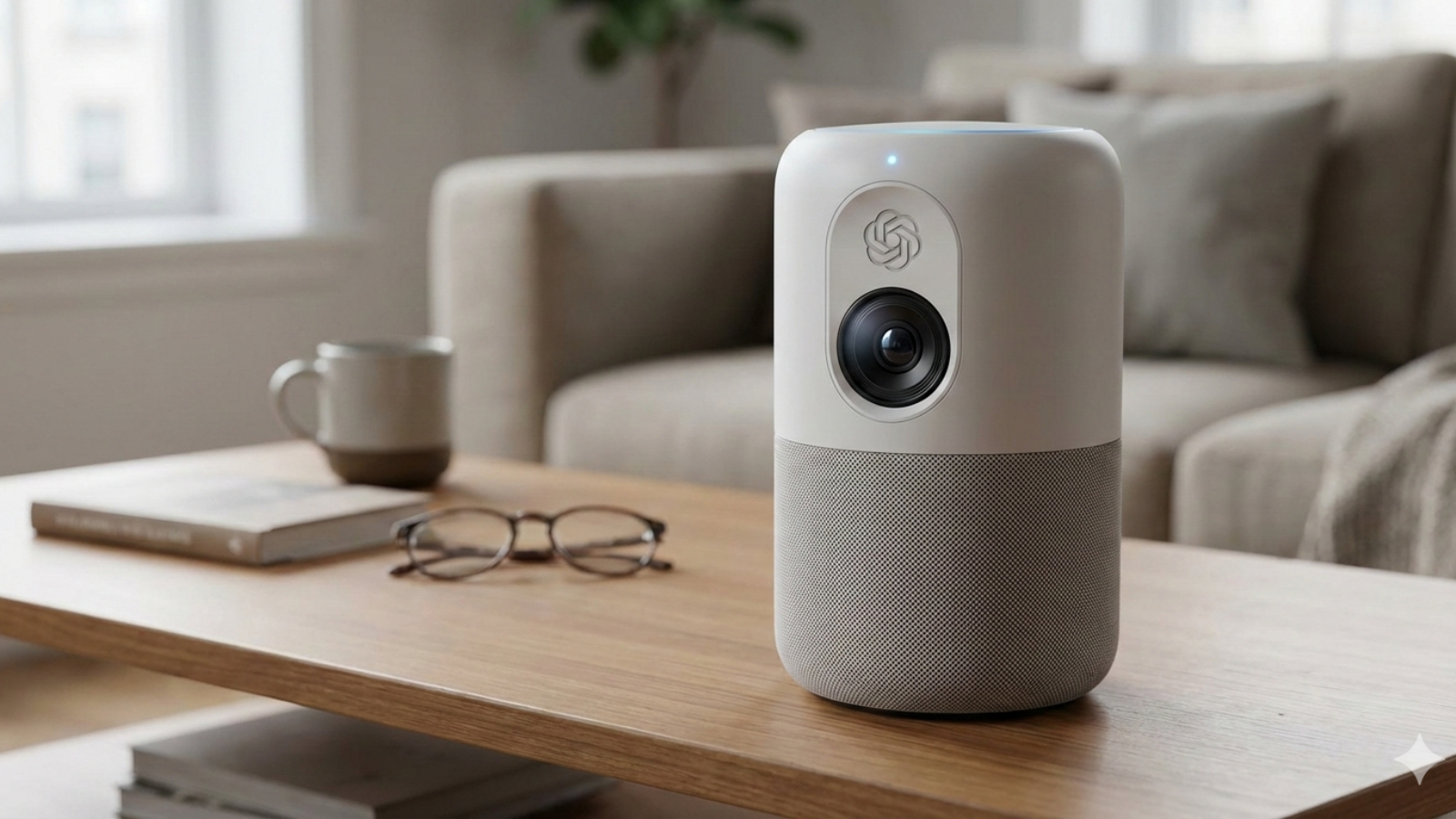
The speaker will house an AI companion capable of controlling home devices and learning from personal information like emails and calendars. It will use an advanced version of ChatGPT Voice Mode, the conversational interface OpenAI released earlier this year, to process information and adapt naturally throughout conversations.
Hardware Ambitions
The device will include a camera and sensors. These additions let the AI see its environment and respond more intelligently. As the system learns more about its owner, it can anticipate needs rather than simply react to commands, OpenAI has indicated in internal discussions.
This is OpenAI’s first major push into consumer hardware, marking a dramatic shift for a company that was purely software-focused just three years ago. The speaker entry puts OpenAI directly into a market where Google, Amazon, and Apple have entrenched users and deep integrations across their broader ecosystems.
Legal Headwinds
The smart speaker announcement comes amid Apple’s trade secret lawsuit against OpenAI, filed days earlier. Apple alleges that OpenAI used stolen design information to accelerate its hardware program. Apple is seeking an injunction that could delay sales.
OpenAI says it is unaware of evidence supporting Apple’s allegations and believes its speaker differs substantially from Apple’s products. Still, the legal fight could drag out through 2027, complicating the company’s launch timeline.
OpenAI is betting that natural voice interaction is the interface of the future, not voice commands or touchscreens. If the company executes well, it could reshape how people control their homes.

Follow iNews Zoombangla On Google
Open the Google follow page and tap the checkmark option to receive more updates from iNews Zoombangla in your Google news feed.