OpenAI is building its first consumer hardware device: a screenless, mobile AI speaker designed as a humanlike AI companion for the home. The company paid $6.5 billion to acquire io, an AI devices startup founded by Apple design chief Jony Ive, to develop hardware tailored for the generative AI era.
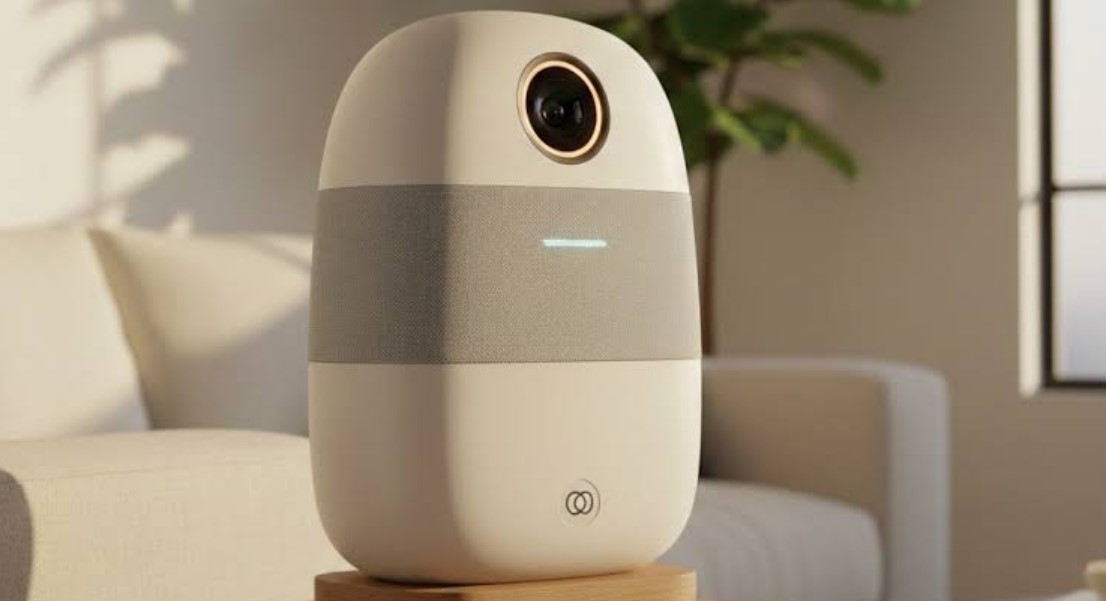
The speaker will be rechargeable and portable, allowing users to carry it from room to room. Beyond audio, the device will handle smart-home control, music playback, question answering, message responses, and full ChatGPT capabilities. The planned launch is 2027.
Home Computing for the AI Era
OpenAI frames the speaker as a new category of home computer—one built from the ground up for conversational AI rather than retrofitting AI onto traditional computing interfaces. The device will include cameras, sensors, and moving parts, suggesting capabilities beyond basic voice interaction.
The company’s $6.5 billion acquisition of Jony Ive’s io signals serious intent to compete in consumer hardware, an arena where design and user experience matter enormously. Ive’s track record at Apple—including the iPhone, iPad, and Apple Watch designs—brings industrial design credibility to OpenAI’s hardware ambitions.
Apple Questions Authenticity of Effort
Apple has sued OpenAI, alleging trade secret theft related to hardware development. The lawsuit was filed in July 2026 as OpenAI’s device plans became public, suggesting Apple views the venture as competition in the smart-home and AI assistant market where Apple itself is investing heavily.
The legal challenge does not appear to have deterred OpenAI’s development timeline. Ive’s reputation for meticulous, user-centric hardware design may yet prove valuable, though the competitive dynamic with Apple will complicate market positioning.
OpenAI’s bet on hardware reflects the belief that conversational AI as a category deserves a physical form tailored to voice and natural language. Whether a $6.5 billion investment in a Jony Ive startup can deliver that remains to be proven.

Follow iNews Zoombangla On Google
Open the Google follow page and tap the checkmark option to receive more updates from iNews Zoombangla in your Google news feed.