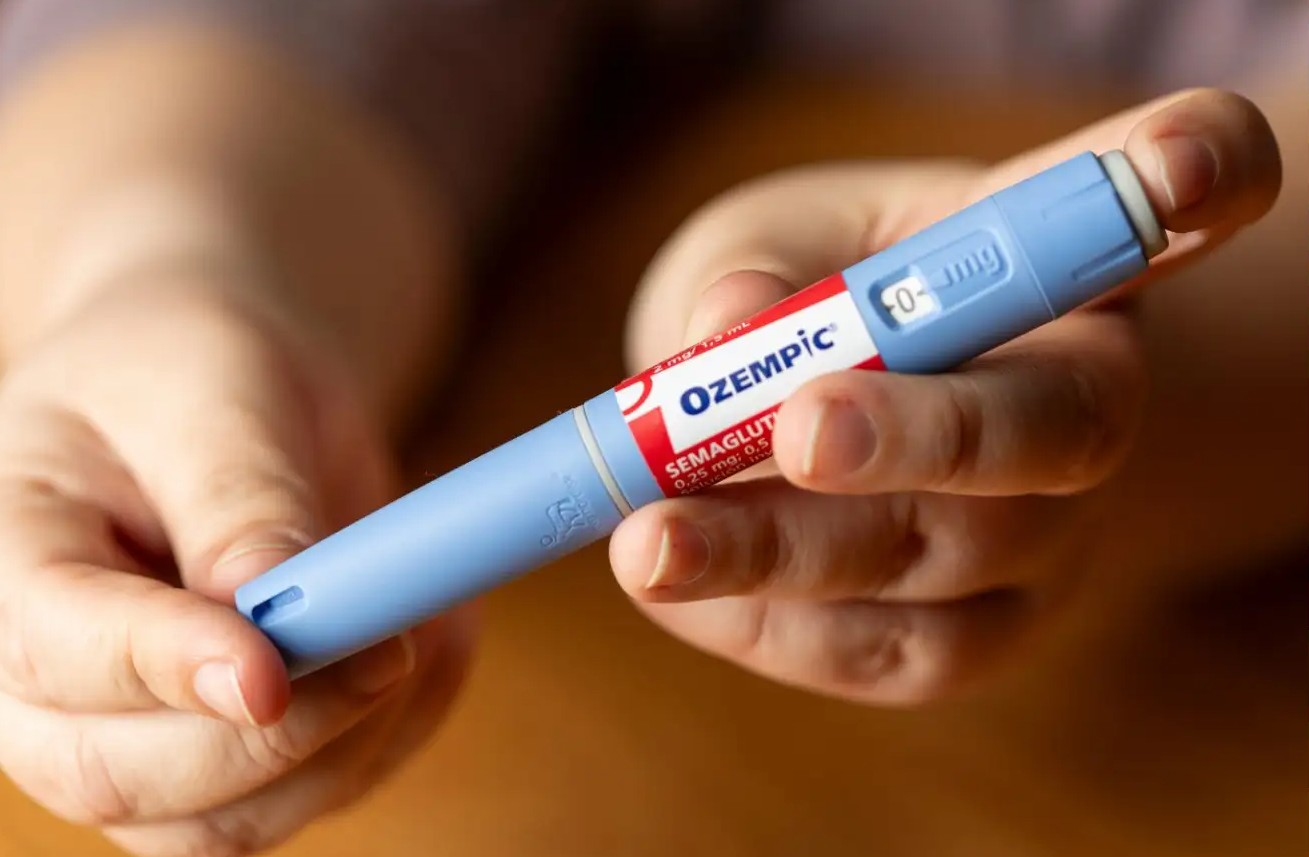
People taking semaglutide medications including Ozempic and Wegovy are significantly less likely to engage in violent behavior or act on thoughts of self-harm, according to a large population study from Rutgers University published Friday in the journal Nature Medicine.
The study analyzed health records from more than 800,000 patients across 12 US health systems between 2020 and 2025, comparing outcomes among those prescribed semaglutide — the active drug in both Ozempic and Wegovy — against matched groups taking other diabetes and weight management medications. Patients on semaglutide had a 34 percent lower rate of violent incidents recorded in medical and emergency records and a 28 percent reduction in documented self-harm events compared to the control group.
Researchers said the mechanism behind the finding was not fully understood but pointed to semaglutide’s known effects on the brain’s reward and impulse control systems as a likely contributor. GLP-1 receptor agonists, the class of drugs that includes semaglutide, reduce dopamine-driven impulse responses in areas of the brain associated with craving, reward, and impulsive decision-making. Those same neural pathways are implicated in aggressive behavior and impulsive acts of self-harm.
The study controlled for socioeconomic factors, pre-existing mental health diagnoses, age, and other medication use. Even after controlling for the fact that people on Ozempic or Wegovy tended to be more engaged with the healthcare system overall, the association with lower violence and self-harm rates remained statistically significant. The lead researcher, Dr. Amelia Fontaine of Rutgers Robert Wood Johnson Medical School, said the finding was consistent across age groups and both sexes.
Dr. Fontaine cautioned that the study was observational and did not prove causation. She said a randomized controlled trial would be needed to confirm whether semaglutide was directly responsible for the behavioral changes or whether confounding factors not captured in the records were contributing to the association.
Previous research had already suggested that GLP-1 drugs reduced alcohol craving, smoking, opioid use, and compulsive gambling. The Rutgers finding extended that list to include interpersonal violence and self-harm, making semaglutide one of the most behaviorally impactful drug classes in recent pharmacology history. Researchers said the breadth of the drug’s behavioral effects was becoming impossible to ignore from a public health policy perspective.
Mental health advocacy organizations said the finding raised important questions about access. Ozempic and Wegovy remain expensive, with list prices ranging from $900 to $1,300 per month before insurance. Coverage varies widely, and people in lower-income groups who might benefit from the drugs’ behavioral effects often lack access. Medicare’s coverage of Wegovy for obesity-related conditions had recently expanded but remained inconsistent across states.
Novo Nordisk, which manufactures both Ozempic and Wegovy, said the company had been aware of the behavioral data emerging from real-world studies and was conducting its own research into the drug’s effects on mental health and behavior. A company spokesman said no safety signals suggesting increased adverse behavioral outcomes had been identified in their pharmacovigilance systems. The FDA had not yet been briefed on the Rutgers findings specifically but said it routinely reviewed new published research on approved drugs.
The study was funded by the Robert Wood Johnson Foundation and the National Institute of Mental Health. It did not receive pharmaceutical industry funding. Dr. Fontaine said her team planned to follow up with a prospective study designed to track behavioral outcomes in patients newly starting semaglutide, which would provide stronger evidence for or against a causal relationship.

Follow iNews Zoombangla On Google
Open the Google follow page and tap the checkmark option to receive more updates from iNews Zoombangla in your Google news feed.