Qualcomm and Meta announced a strategic partnership on June 26, 2026 to develop and deploy data center CPUs, with Qualcomm’s Dragonfly C1000 designed to power Meta’s next-generation server fleet. The deal positions Qualcomm as a serious alternative to Intel and AMD in the lucrative data center market.
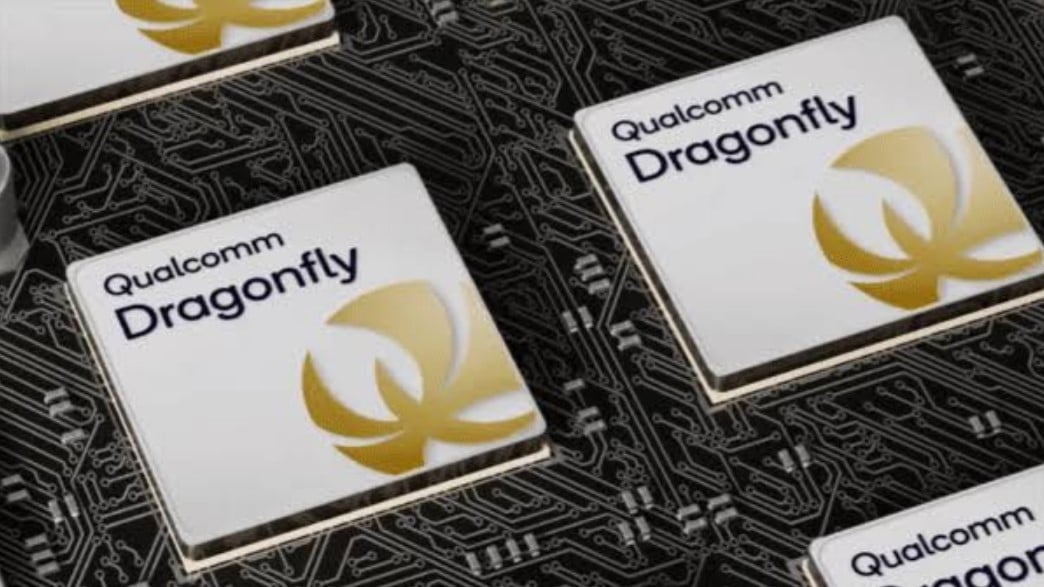
Production is scheduled to start in the second half of 2028, but the partnership signals Meta’s confidence that Qualcomm can deliver enterprise-grade processors at scale.
What Is the Dragonfly C1000
The Dragonfly C1000 is Qualcomm’s data center CPU. It features 250+ cores, PCIe Generation 7 connectivity, CXL memory coherency, LPDDR memory, and enterprise reliability features. In plain terms: it’s designed to handle massive parallel workloads, move data quickly between servers, and stay online reliably.
Meta needs processors that can run AI model inference, serve billions of users, and handle training workloads. The Dragonfly C1000 targets all three.
Why It Matters
Intel and AMD have dominated data centers for three decades. Qualcomm bringing a competing architecture means Meta—one of the world’s largest server buyers—is hedging its bets. If Qualcomm delivers, other hyperscalers (Amazon, Google, Microsoft) may follow.
The timing also signals confidence in Qualcomm’s ability to execute at manufacturing scale. Taiwan Semiconductor Manufacturing Company (TSMC) is building the chips at a cutting-edge process node.
The Bigger Picture
This follows Google’s moves to design custom TPUs, Amazon’s Graviton processors, and Meta’s own AI training chips. Every major cloud company now invests in silicon. Qualcomm getting into that competition means the traditional chip duopoly is breaking apart.
Meta’s vote of confidence in Qualcomm signals that custom silicon is no longer optional—it’s now the standard way cloud companies build infrastructure.

Follow iNews Zoombangla On Google
Open the Google follow page and tap the checkmark option to receive more updates from iNews Zoombangla in your Google news feed.