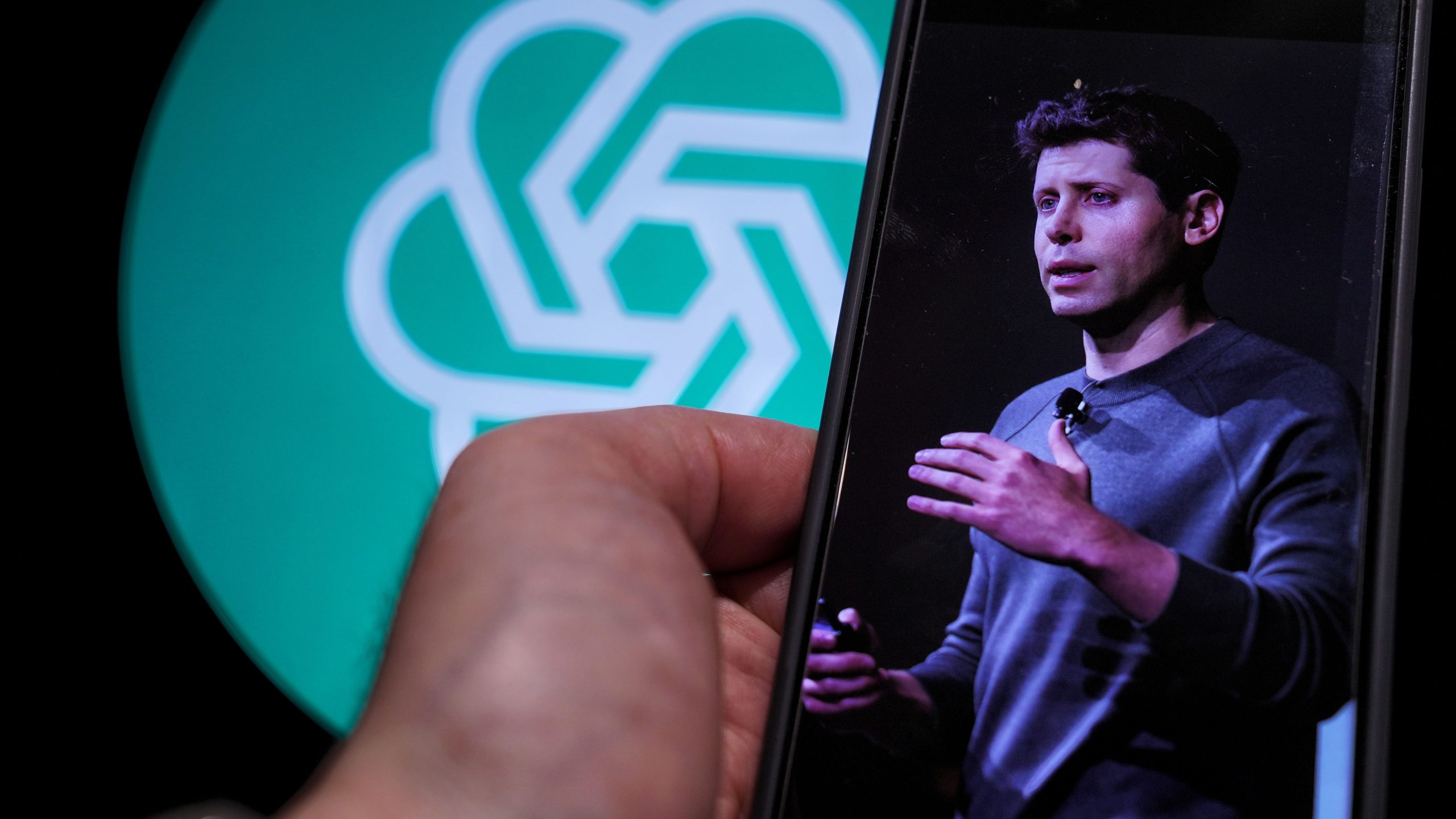
OpenAI released GPT-5.6 in July after Sam Altman said his company made “many changes” during discussions with the Trump administration. In interviews with CNBC on July 9, Altman described a “collaborative back and forth” with Commerce Secretary Howard Lutnick and Treasury Secretary Scott Bessent before the model went public.
GPT-5.6 is priced significantly below competing models: $2 per million input tokens and $6 per million output tokens, compared to Anthropic’s Claude Opus 4.8 at $5 and $25. The model includes a 500,000-token context window and improved reasoning over prior versions.
The Equity Proposal
Altman separately proposed giving 5% of OpenAI’s equity to a US sovereign wealth fund—translating to roughly $320 per American household at current valuation. The idea addresses two concerns: that AI companies profit from human-generated training data without compensation, and that AI could trigger labor market collapse.
This move appears designed to preempt government regulation and build political goodwill. It also signals OpenAI’s confidence in its valuation and trajectory.
The Global Framework Push
In an op-ed for the Financial Times, Altman called for “a U.S.-led international forum that establishes accepted standards, provides expert and impartial analysis of capabilities and risks.” He cited aviation safety, global financial standards, and the International Atomic Energy Agency as models for AI governance.
The timing is intentional. Altman is positioning OpenAI as the responsible actor in AI development while competitors like Google and Anthropic expand market share. The government meetings, equity proposal, and governance rhetoric form a coordinated play for legitimacy and protection from regulation.
GPT-5.6 is available now on the OpenAI platform, with both API and ChatGPT Plus access.

Follow iNews Zoombangla On Google
Open the Google follow page and tap the checkmark option to receive more updates from iNews Zoombangla in your Google news feed.