OpenAI chief executive Sam Altman touched off a heated debate this week after describing what he called a cool use case for artificial intelligence in family life. Altman suggested parents link their family calendars to ChatGPT so the assistant could generate a personalized morning podcast for children to listen to on the drive to school, covering a sibling’s soccer game, an upcoming birthday and a few news headlines.
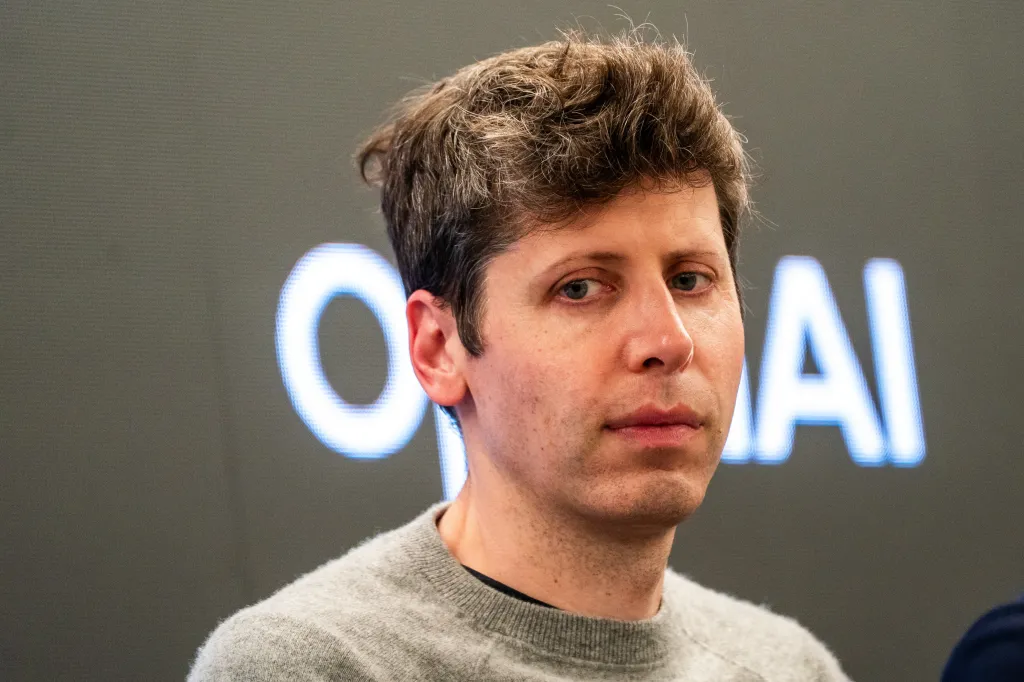
The idea landed poorly. Gravity Falls creator Alex Hirsch replied with a single line: “What if you just talked to your children?” Hirsch’s response drew more than 220,000 likes on X, dwarfing the roughly 9,500 likes on Altman’s original post, and the exchange spread quickly across social media as a flashpoint in the broader argument over how much of daily life AI should quietly take over.
Altman has spoken openly about leaning on ChatGPT in his own life as a new parent. Appearing on The Tonight Show with Jimmy Fallon, he said he could not imagine raising his son, born via surrogate in February 2025, without constantly consulting the chatbot. Critics were quick to point out that Altman does not yet have a school-age child, which undercut the practical framing of his suggestion.
The backlash arrived at an awkward moment for OpenAI. The company is currently facing roughly 20 lawsuits from families who allege that ChatGPT contributed to severe mental health crises, delusions and, in some cases, self-harm among young users. Plaintiffs’ attorneys have argued that OpenAI marketed the chatbot as a companion and confidant for minors without adequate safeguards.
Child development researchers have also weighed in, noting that outsourcing routine parent-child conversation to an algorithm risks displacing the kind of unstructured talk that helps children process their day. Altman has not walked back the suggestion, and OpenAI has not issued a formal statement addressing the backlash directly.
For now, the moment has become a case study in how even small, offhand suggestions from AI’s most visible executive can trigger outsized scrutiny of the industry’s reach into private family life.

Follow iNews Zoombangla On Google
Open the Google follow page and tap the checkmark option to receive more updates from iNews Zoombangla in your Google news feed.