Tata Motors Passenger Vehicles dispatched 16,549 electric cars and SUVs in August, its highest monthly EV volume so far, according to Autocar Professional. The figure was 94 percent higher than the 8,540 EVs dispatched in August 2025. The company’s overall passenger-vehicle sales also rose during the month.
These are wholesale dispatches to dealers and export partners, not a count of individual retail registrations. That distinction matters when judging demand. Autocar India and company sales information both identify the 16,549 figure as a dispatch or wholesale number.
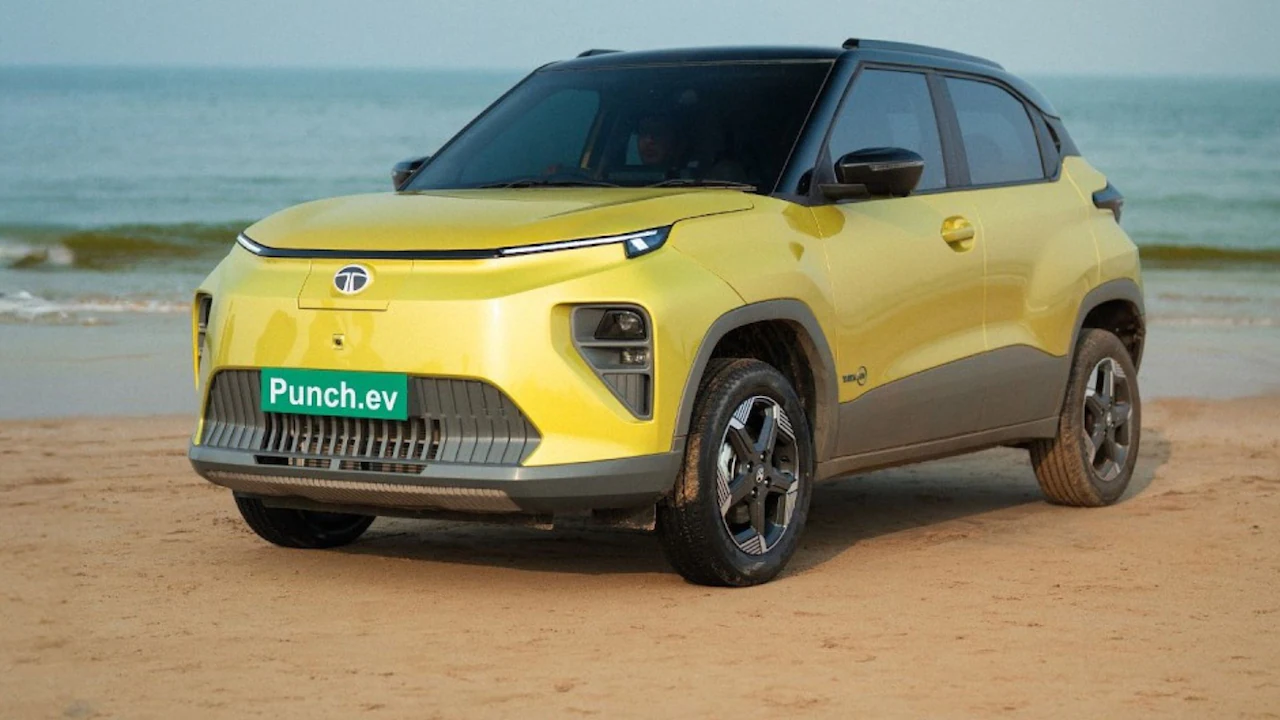
The August result made EVs about one-quarter of Tata’s passenger-vehicle volume for the month, based on the figures reported by Autocar Professional. The company’s electric range includes models such as the Nexon.ev, Punch.ev, Curvv.ev and Harrier.ev. The mix gives Tata coverage across small SUVs, family cars and larger vehicles.
Autocar’s report says Tata’s EV dispatches have climbed month by month since May. The company sent 10,517 EVs in May, 14,800 in June, 15,217 in July and 16,549 in August, according to the report. A rising dispatch total shows factory and dealer movement, but it does not by itself explain retail demand in every city.
The result arrives as Indian buyers have more electric choices. New models from Mahindra, JSW MG Motor and other brands are adding pressure in the market. Tata’s advantage is an established local lineup and a wider spread of price points. Its challenge is keeping charging access, service quality and software support consistent as the fleet grows.
EV ownership depends on more than a monthly sales number. Buyers need a convenient place to charge, a battery warranty they understand and access to service when a warning appears. Public charging coverage also matters for long-distance use, even when most daily charging happens at home.
The latest numbers can also influence how automakers plan their next products. Strong dispatches may support investment in more body styles, larger batteries and charging improvements. They do not guarantee that every new model will sell at the same pace or that wholesale shipments will become retail registrations.
Autocar Professional provides the current industry analysis, while the company-reported sales figure is carried in independent automotive coverage. Tata’s August result is a clear EV volume milestone. Readers should keep the wholesale label in mind when comparing it with registration data from India’s vehicle portals.

Follow iNews Zoombangla On Google
Open the Google follow page and tap the checkmark option to receive more updates from iNews Zoombangla in your Google news feed.