Tesla reports Q2 2026 earnings on Wednesday, July 22 after the market closes. Wall Street is expecting revenue around 25.31 billion dollars, up about 12 percent year-over-year. Pre-tax profit is forecast to be 1.88 billion dollars, about 1 percent lower than last year. Earnings per share are expected at 50 cents, nearly 25 percent higher than a year ago.
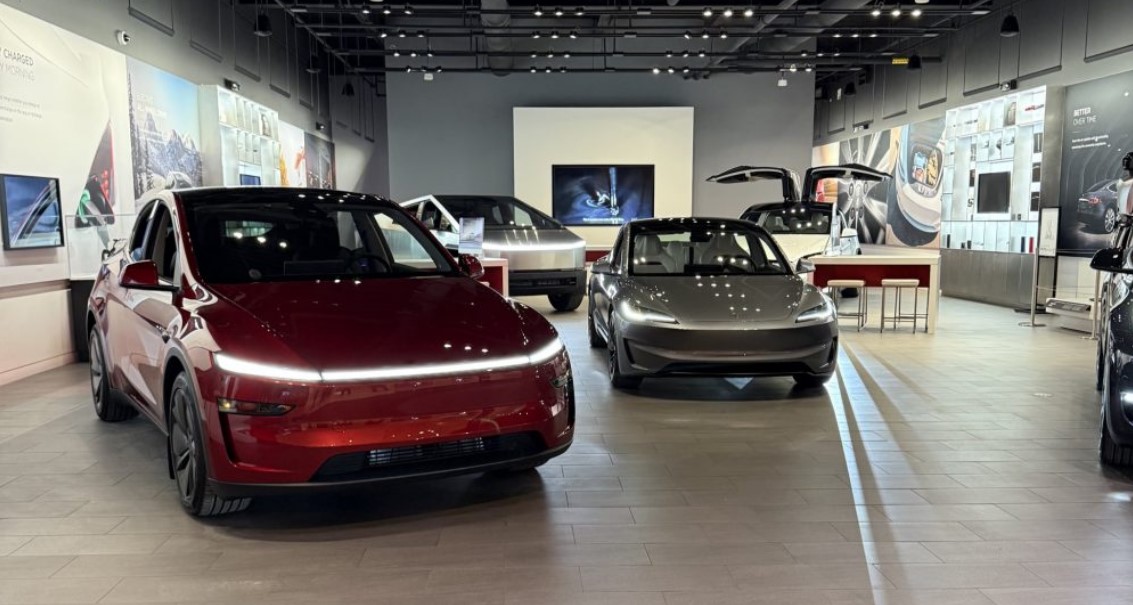
The numbers sound steady, but the conversation around Tesla right now is different. It’s not about cars sold yesterday. It’s about what comes next. Robotaxis. FSD. Optimus robots. Energy storage. These are the growth vectors the company is chasing, and investors want to hear management’s confidence about when they become revenue.
The Energy Business Boom
Tesla’s energy storage business has become genuinely meaningful. The Megapack battery systems are in high demand. Utilities and companies are racing to install grid-scale storage as power grids modernize and renewable energy scales up. This isn’t a nice-to-have business anymore. It’s a real business. Earnings call might reveal how big it’s actually gotten.
The EV market itself remains competitive and tight. Deliveries have been uneven. Demand in China softened. Pricing pressure continues. But the energy business is growing faster than anyone expected. That growth could offset slower vehicle delivery growth.
The Robotaxi Question
Tesla’s biggest wildcard is autonomy. The company has promised robotaxi earnings for years now. The technology exists in limited form. Deployment at scale doesn’t. Wall Street wants clarity on timing and unit economics. If robotaxi revenue becomes real in 2026, Tesla’s valuation makes sense. If it stays perpetually two years away, the stock sentiment changes.
Management will probably guide conservatively. They’ve learned that overstatement costs more than understatement. But they also know investors want to hear progress. That tension shapes earnings calls at Tesla every quarter.
The earnings arrive at 5:30 p.m. ET on Wednesday. Tesla stock moves on guidance, not history.

Follow iNews Zoombangla On Google
Open the Google follow page and tap the checkmark option to receive more updates from iNews Zoombangla in your Google news feed.