Tesla reported second-quarter 2026 results on July 22 with a revenue beat but significant profit miss, signaling mounting cost pressures even as vehicle deliveries reached record levels. Revenue of $28.24 billion exceeded analyst expectations of $25.71 billion by 10%, yet adjusted earnings per share of $0.33 fell well short of the $0.51 consensus, a 35% shortfall.
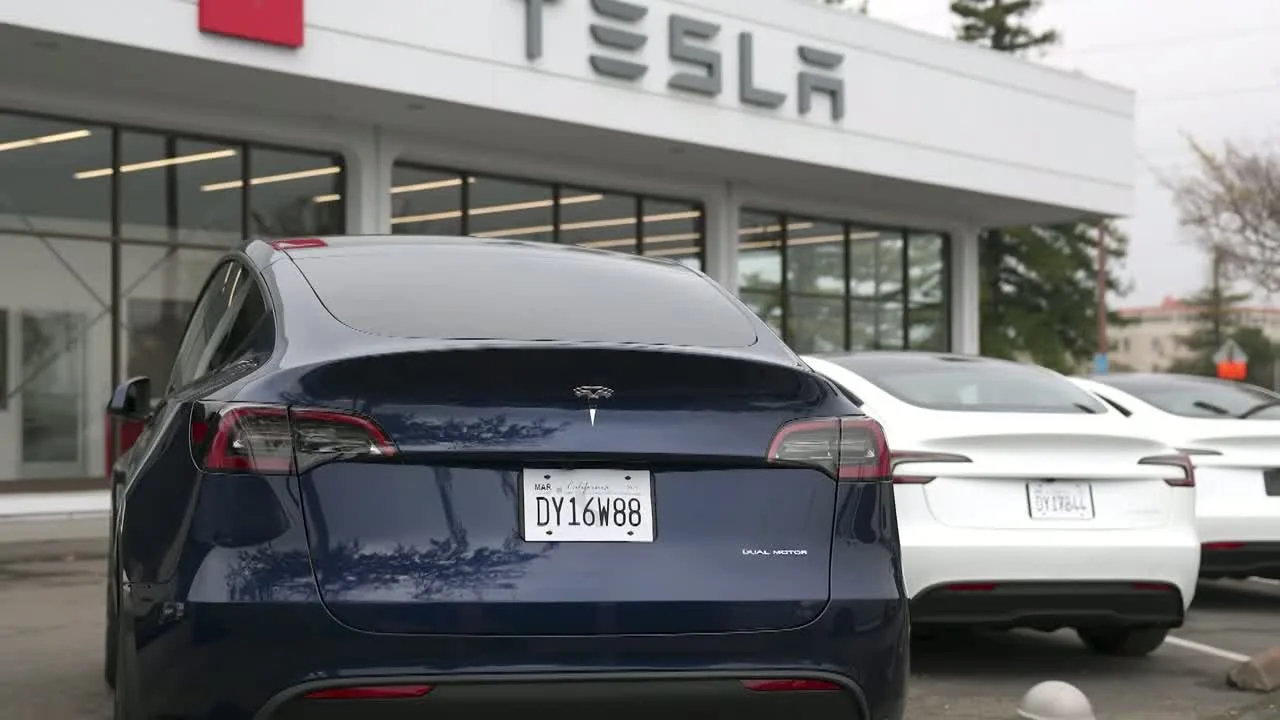
The company delivered a record 480,126 vehicles, up 25% year-over-year, but operating expenses surged 47% to $4.35 billion while capital expenditures jumped 142% to $5.79 billion. Tesla burned through $1.09 billion in free cash flow, a sharp reversal from the $1.44 billion surplus in Q1 2026.
Margins Compress Despite Volume Growth
Automotive gross margin narrowed to 16.9%, or 16.3% excluding regulatory credits. That compression, combined with surging overhead and capital spending, squeezed operating income to just $398 million and an operating margin of 1.4%—a 57% drop from the prior year.
Energy storage revenue climbed 13% to $3.14 billion, showing strength in batteries and grid systems. Services and other revenue grew 50% to $4.58 billion with record gross margin and profit, a bright spot in an otherwise pressured quarter.
Capital Spending Accelerates
Tesla’s CapEx nearly doubled year-over-year, reflecting the company’s push to expand manufacturing capacity for new models and address supply chain demands. That spending is essential for growth, but it compresses short-term profitability and burned cash despite record revenue.
Management guided for continued elevated spending, signaling that near-term margin recovery may take longer than investors hoped. Shares dropped nearly 3% in after-hours trading.
Tesla faces a growth paradox: record volumes but margin pressure. The company is sacrificing short-term profit to expand manufacturing, a bet that depends on future demand staying strong and eventually absorbing higher capital costs across a larger revenue base.

Follow iNews Zoombangla On Google
Open the Google follow page and tap the checkmark option to receive more updates from iNews Zoombangla in your Google news feed.