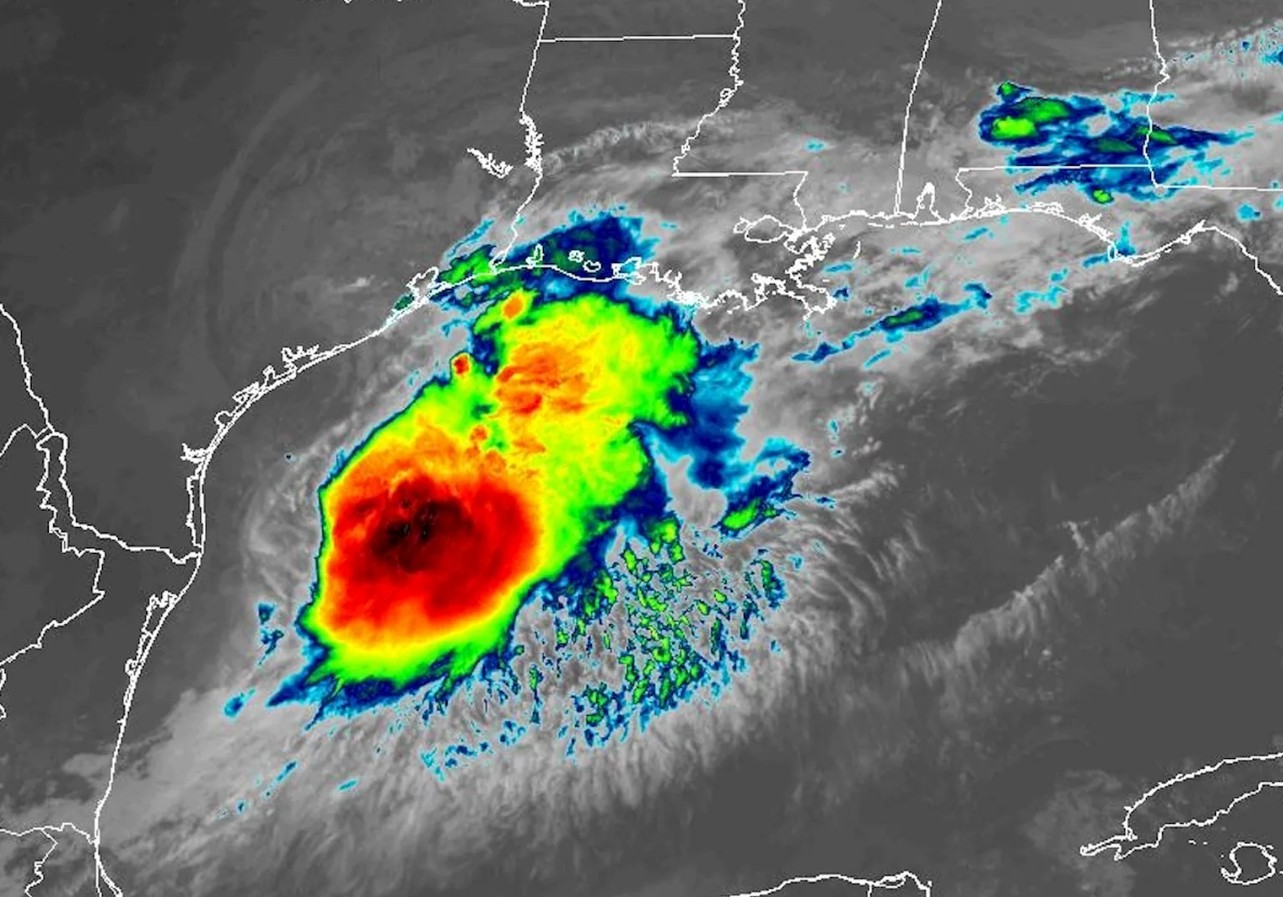
Tropical Storm Arthur left a trail of destruction across the US Gulf Coast that AccuWeather estimates will cost between $4 billion and $6 billion in total damage and economic losses. The assessment covers impacts across Texas, Louisiana, Mississippi, Alabama, and the Florida Panhandle.
The storm’s most dangerous feature was its rainfall. AccuWeather confirmed more than 20 inches fell in some areas during the system’s passage, with parts of Mississippi and Louisiana recording more than 30 inches over five days. That volume put sustained pressure on drainage systems and waterways across a region that was already saturated before the storm arrived.
A potential dam failure at Anchor Lake in Mississippi prompted evacuations on Friday, adding urgency to an already-stretched emergency management response. State officials ordered residents downstream to leave the area as engineers assessed whether the structure could hold. Rescues remained underway across multiple parishes in Louisiana and counties in Texas through the weekend.
At least two deaths have been confirmed. A 53-year-old woman was killed near San Antonio when fast-moving water swept her car off the road. A 15-year-old boy drowned in a flooded retention pond about 40 miles north of Houston. Emergency services said additional fatalities cannot be ruled out as floodwaters recede in more isolated areas.
Louisiana Governor Jeff Landry declared a statewide emergency earlier this week, citing widespread rainfall, severe storms, and flooding concerns across the state. The state National Guard was deployed to assist with rescues and road clearance in the hardest-hit areas.
Arthur was the first named storm of the 2026 Atlantic hurricane season, forming off the middle Texas coast on June 18. It made landfall at tropical storm strength, with wind speeds that were modest compared to its rainfall payload. Forecasters had flagged the flooding risk as the primary hazard from the moment the system organized, and those warnings proved accurate.
The National Oceanic and Atmospheric Administration had flagged an elevated 2026 hurricane season in its pre-season forecast, citing warm Gulf of Mexico water temperatures. Arthur arrived early in the season, ahead of the typical late July to October peak window, raising concern that the 2026 season may be more active than initially projected.
Damage assessments are ongoing. The final economic loss figure will depend on how quickly infrastructure can be repaired and whether the Anchor Lake dam holds through the coming days.

Follow iNews Zoombangla On Google
Open the Google follow page and tap the checkmark option to receive more updates from iNews Zoombangla in your Google news feed.