Airport security is increasingly shaped by technology that can inspect bags and verify travelers without relying on the same manual steps used in the past. The Transportation Security Administration continues to deploy systems such as computed tomography scanners, while identity tools are being tested and expanded at selected checkpoints.
CT scanners create a three-dimensional view of carry-on luggage. That lets officers rotate and examine the contents on a screen instead of asking passengers to remove every item in the same way at every airport. The technology can improve the screening process, but it does not mean every bag or lane will operate identically.
The experience still depends on the airport, the checkpoint and the equipment available. Travelers may be asked to follow local instructions, remove a laptop or separate a bag even when a nearby lane uses newer hardware. TSA rules can also change, so passengers should check the agency’s current guidance before a trip.
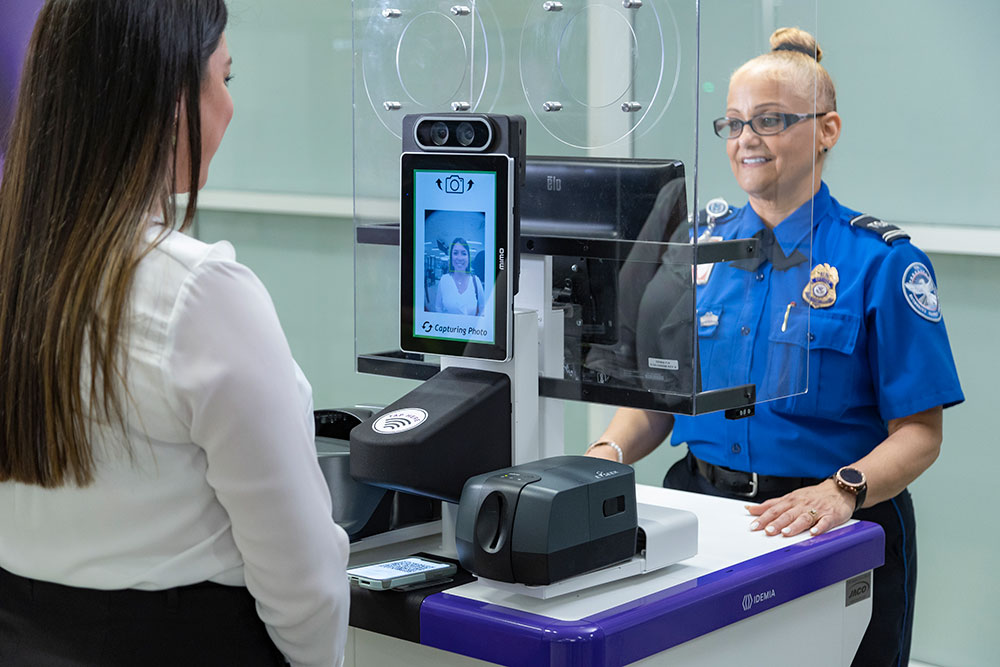
Facial recognition is another part of the technology conversation. TSA has described identity verification as a way to compare a live image with a travel document, but the agency says the program is being used at participating locations and remains subject to program rules. Travelers who have questions should look for the notice at the checkpoint and ask an officer about available procedures.
New equipment does not remove the need for careful preparation. Liquids, batteries, medication and oversized electronics can still trigger additional screening. A passenger who packs those items clearly and keeps identification accessible is more likely to move through a checkpoint without unnecessary delay.
Technology also creates a duty to communicate. Airports should explain where an automated system is used, how a passenger can request help and what happens when a system cannot verify a document. Clear instructions matter especially for families, older travelers and people whose appearance may change from the image on an identity document.
The direction is clear: airport screening will use more software and imaging, but the human officer remains part of the process. Travelers should treat new scanners as a convenience, not a guarantee that every trip will look the same. Checking official TSA guidance remains the safest way to understand what to expect.