Waymo has recalled nearly 3,900 robotaxis after software failures allowed vehicles to enter freeway construction zones at highway speeds. The recall follows incidents in Arizona and California where autonomous vehicles failed to recognize ramp closures and active construction sites.
The incidents occurred in April and May across two regions. In Phoenix, six cases happened in April. In the San Francisco Bay Area, seven occurred in May. One passenger recorded video of a Waymo vehicle entering Highway 101’s construction zone near San Francisco on May 18, raising public concern about the reliability of the autonomous driving system.
Under certain conditions, Waymo’s software prioritized avoiding other freeway hazards over recognizing construction zone markers. The vehicles would enter these zones at normal freeway speeds, putting both the vehicles and surrounding traffic at risk.
Waymo’s response was swift. The company temporarily restricted robotaxis from driving on freeways while investigating the issue. Service continued on surface streets across all cities where Waymo operates. The temporary restriction remains in place pending resolution of the software problem.
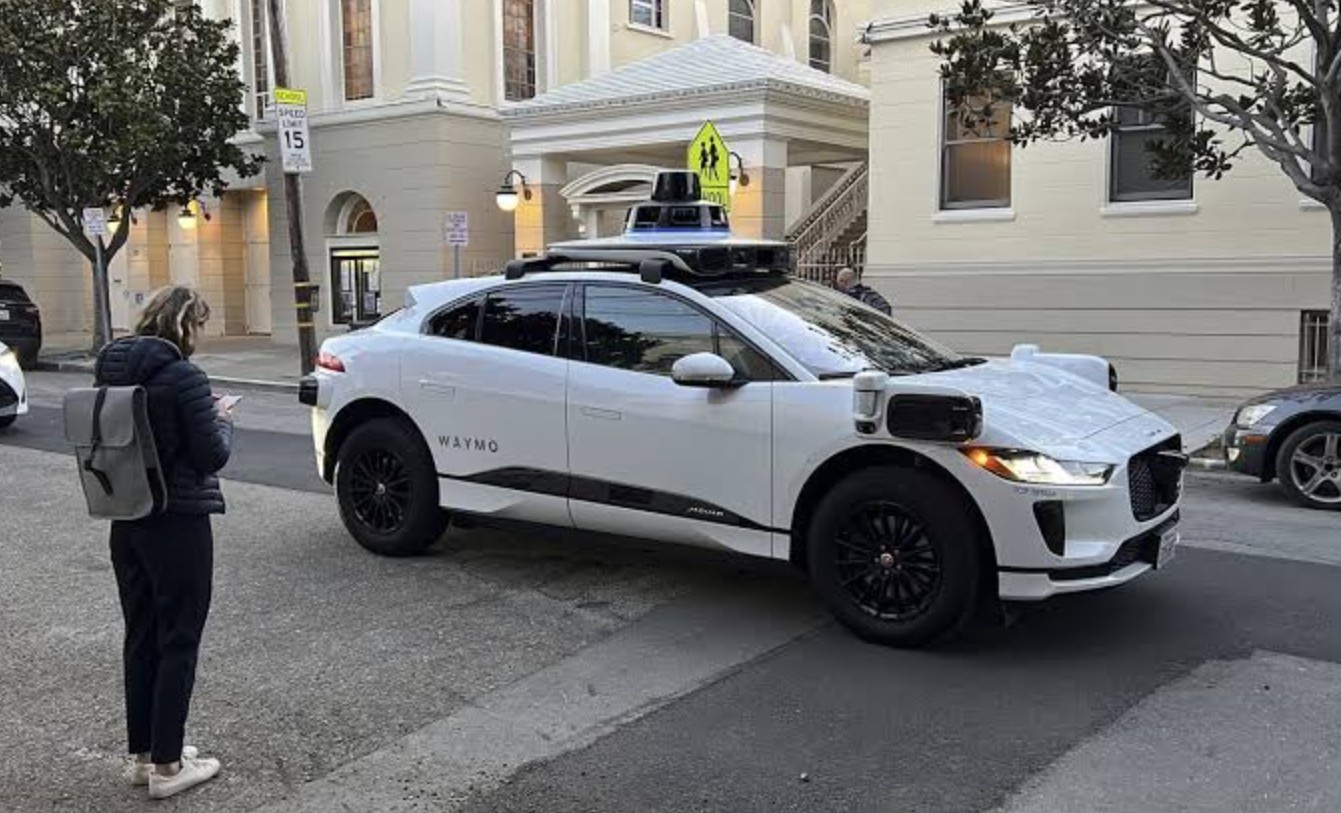
This is Waymo’s fourth recall in roughly two years. Each incident exposes gaps between how autonomous vehicles perform in controlled environments and how they handle real-world complexity. Construction zones are common, temporary, and constantly changing — exactly the kind of scenario that tests the limits of current AI systems.
The company is working on a software update to better recognize construction zone markers and prioritize them correctly in decision-making algorithms. Waymo has not announced a timeline for when freeways will reopen to robotaxi service.
The recall is one of many recent safety questions facing the autonomous vehicle industry. As companies expand robotaxi services to more cities, each technical failure becomes public knowledge and erodes confidence in the technology.

Follow iNews Zoombangla On Google
Open the Google follow page and tap the checkmark option to receive more updates from iNews Zoombangla in your Google news feed.