Sony has introduced the latest version of its flagship Xperia smartphone line, unveiling the Xperia 1 VIII with a redesigned body and a revised telephoto camera system while largely retaining the broader hardware approach seen in recent generations.
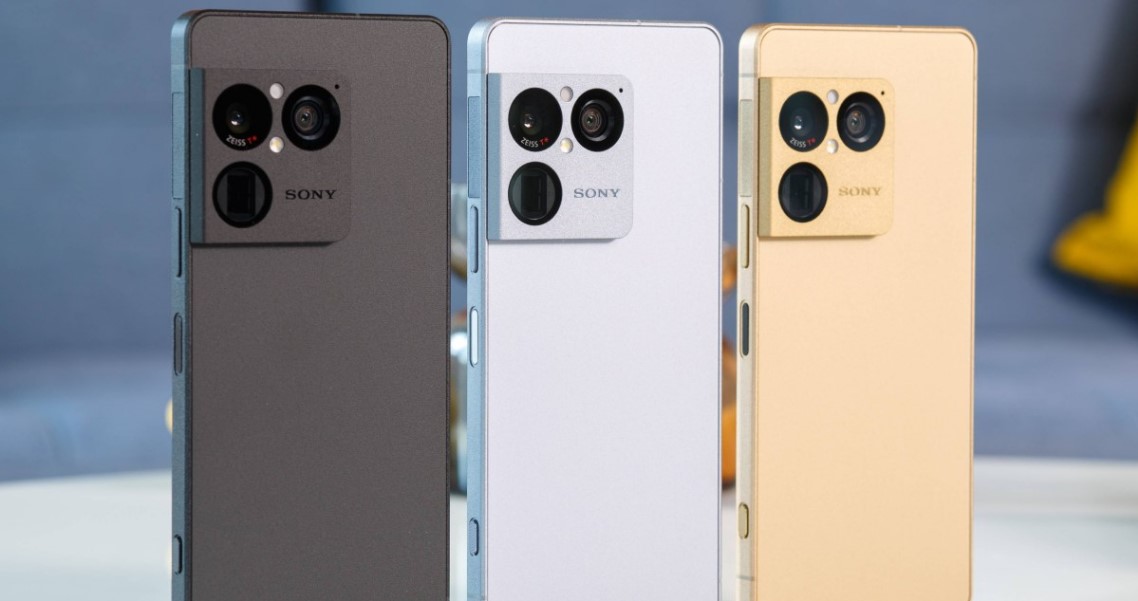
The most notable hardware change comes from the phone’s telephoto camera. Sony has equipped the Xperia 1 VIII with a new 1/1.56-inch 48-megapixel sensor, described as four times larger and carrying four times the resolution of the telephoto unit used in the previous Mark VII model. The camera is fixed at a 70mm focal length, equivalent to 2.9x optical zoom.
That shift also marks the end of one of Sony’s more distinctive camera features. The new telephoto module no longer supports the continuous optical zoom functionality that earlier Xperia models emphasized.
The remaining rear cameras stay unchanged. Sony continues with a 24mm f/1.9 main camera alongside a 16mm f/2.0 ultrawide setup. Powering the device is Qualcomm’s Snapdragon 8 Elite Gen 5 chipset, paired with 12GB of RAM and a 5,000mAh battery.
Sony has priced the Xperia 1 VIII at €1,500 or £1,400 for the 12GB RAM and 512GB storage version. The device is already available for pre-order in Europe, where buyers are being offered a free pair of WH-1000XM6 headphones as part of the launch promotion. Shipping is scheduled to begin on June 19.
Ahead of the launch, leaks surrounding the Xperia 1 VIII had pointed to an additional gold color option that may arrive later.
While Sony focused on camera hardware, Xiaomi used the week to confirm another large-battery flagship. The company said the Xiaomi 17 Max will launch in China later this month with a flat 6.9-inch display and the same Snapdragon 8 Elite Gen 5 platform.
Xiaomi is also positioning the device around battery endurance. The phone is expected to carry an 8,000mAh battery with support for 100W charging. According to the confirmed and reported specifications released so far, the handset will feature a triple rear camera arrangement led by a 200-megapixel 1/1.4-inch primary sensor, alongside a 50-megapixel periscope telephoto camera and a 50-megapixel ultrawide unit.
The company has already opened pre-orders for the Xiaomi 17 Max in China and teased several color options before launch.
Samsung, meanwhile, has turned attention toward software and after-sales expansion. The company has started rolling out One UI 8.5 globally across the Galaxy S23, S24 and S25 series, as well as the Galaxy Fold, Flip 6, Flip 7, Tab S10 and Tab S11 lineups. Samsung said the update introduces a broader set of AI features.
At the same time, Samsung announced the One UI 9 beta program for the Galaxy S26 series. Built on Android 17, the beta rollout begins this week in Germany, India, Korea, Poland, the United Kingdom and the United States through the Samsung Members application.
Samsung has also entered the refurbished smartphone market in India under its Certified Re-Newed branding. Devices currently listed include the Galaxy S25 Ultra, Galaxy S25, Galaxy A56 and Galaxy A36 in multiple storage and memory configurations. The company said the refurbished phones carry the same one-year warranty offered with new devices.
Also Read:
The Mandalorian and Grogu Brings Star Wars Back to Cinemas With a Smaller, Stranger Adventure
The developments reflect how major smartphone brands are continuing to separate their flagship strategies. Sony remains focused on imaging hardware, Xiaomi is leaning heavily into battery capacity and Samsung is widening its software and device ecosystem at the same time.

Follow iNews Zoombangla On Google
Open the Google follow page and tap the checkmark option to receive more updates from iNews Zoombangla in your Google news feed.