XREAL’s xbx a01+ is aimed at people who want a large private display without carrying a monitor. The AR glasses use a wearable screen to create a cinema-sized viewing area in front of the user, while the connected phone, laptop, handheld or game console supplies the content.
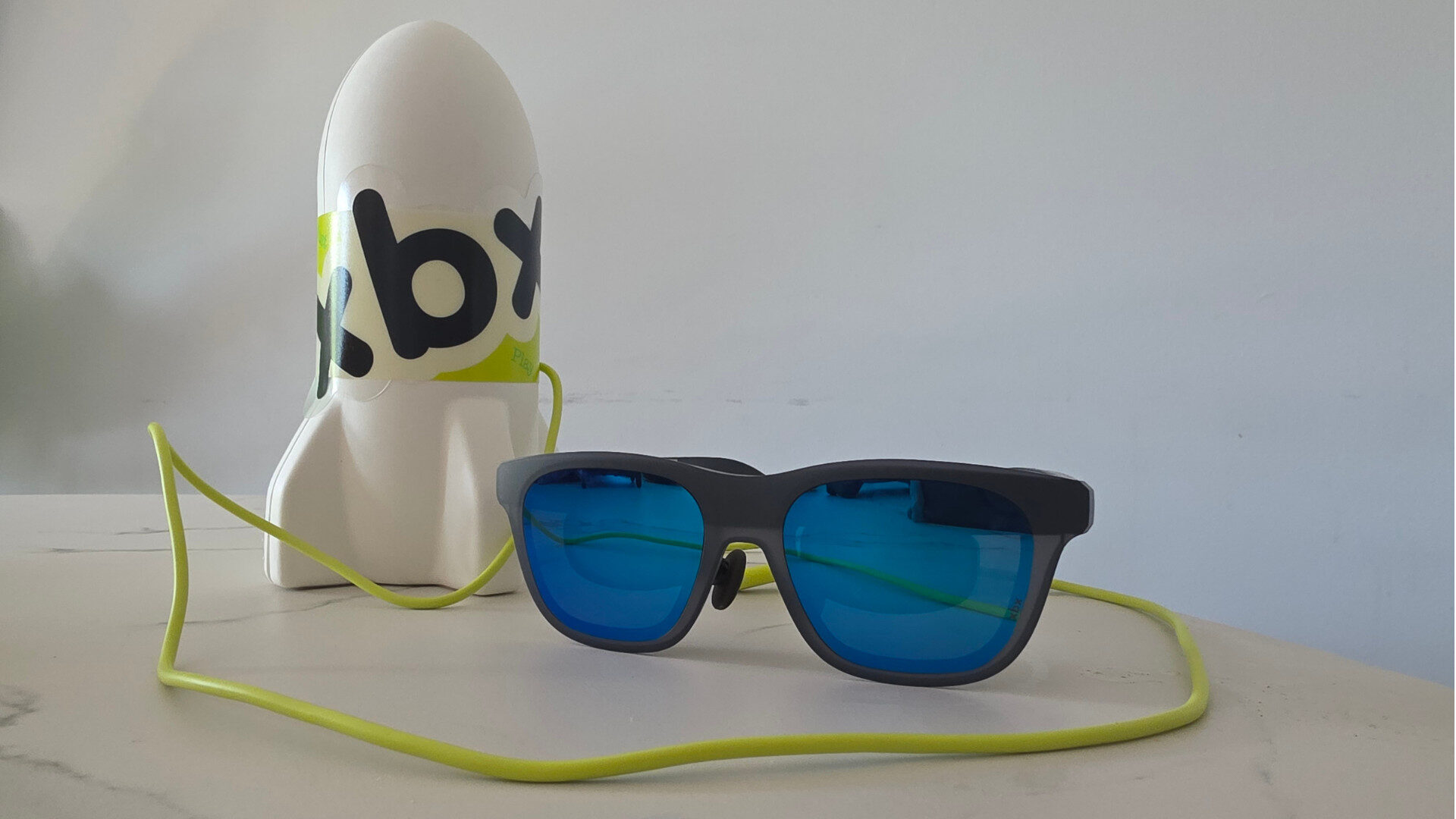
The company lists the xbx a01+ with a 147-inch virtual screen and a 62-gram glasses unit. Those figures describe the viewing experience, not a physical display around the wearer. The result is closer to carrying a personal screen than to seeing computer graphics placed throughout a room.
XREAL’s product documentation says the glasses support devices that can output DisplayPort video and provide the required power. That includes selected phones, tablets, computers, handheld consoles and game systems. Compatibility therefore depends on the source device, cable or hub, and the way that device handles video output.
The xbx line is positioned as an entry point to XREAL’s spatial-display range. The a01+ uses a lightweight frame and gives users a choice of front designs. The practical appeal is simple: a user can watch a film or play a game on a large virtual screen while keeping the screen close to the eyes.
There are limits. The glasses do not replace a computer, console or streaming account. They also cannot make every device compatible, and a large virtual image does not automatically provide the same comfort as a television across a long session. Fit, prescription support and brightness are personal considerations.
Users should also understand the privacy difference between display glasses and camera-equipped smart glasses. A display product can still be connected to a source device, but it is not automatically recording the room. Reading the manual and checking the permission behavior of the connected device is still good practice.
XREAL’s latest model shows where wearable displays are settling: less like a science-fiction headset and more like a portable monitor. For commuters, travelers and handheld gamers, that trade-off may be useful. The important checks before buying are device compatibility, power requirements, comfort and the actual content source.