Apple’s AirPods 5 are built around an open-ear fit, but the company is adding active noise cancellation to that design. Apple says the new earbuds use a multiport acoustic architecture and next-generation Adaptive EQ, while reducing external noise by up to 50 percent more than AirPods 4 with Active Noise Cancellation.
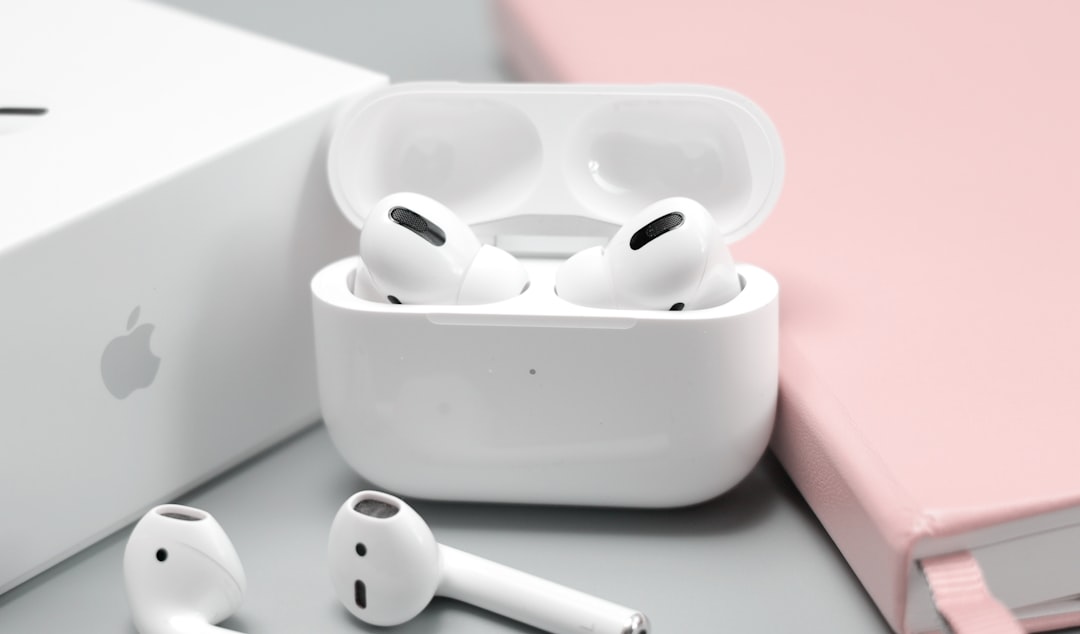
Open-ear earbuds leave the ear canal less sealed than in-ear models. That can feel more comfortable for people who dislike silicone tips, but it also makes noise control a difficult engineering problem. Apple’s claim is therefore tied to a particular comparison: AirPods 5 with ANC versus AirPods 4 with ANC. It is not a promise that they will block every sound in the same way as sealed in-ear earbuds.
Apple says the new model is designed to deliver richer and more detailed audio across a wider range of ear shapes. Adaptive EQ is intended to adjust the sound to the fit, while Transparency mode lets users remain aware of the environment. The balance between immersion and awareness will matter to commuters, runners and people who use earbuds around other people.
The earbuds also support hands-free Siri controls and Live Translation, which Apple positions as an extension of Apple Intelligence on iPhone. Those software features require compatible devices and supported languages. Customers should check availability before buying if translation or assistant features are a major reason for the purchase.
Apple lists improved dust, sweat and water resistance as another change. Resistance ratings are measured under controlled conditions and can decline with wear, so they should not be read as permission to use the earbuds in every wet environment. The charging case and listening habits will also affect the practical battery experience.
AirPods 5 can be preordered, with store availability beginning September 18, and Apple lists a starting price of $149 in the U.S. The open-ear ANC design gives the line a clear identity. Buyers will need to decide whether comfort, environmental awareness and the convenience of Apple’s software features matter more than the stronger passive seal found on many in-ear alternatives.