The Anak Krakatau eruption has eased after a continuous episode that lasted about 25 hours, but Indonesian authorities are continuing to monitor the volcano and its effect on aviation and nearby areas. The Geological Agency said the episode ended early on September 6, while later reports recorded additional shorter eruptions.
Indonesia’s Ministry of Energy and Mineral Resources said the continuous eruption began on the night of September 4 and ended at 12:04 in the morning on September 6. The ministry said the Geological Agency and its volcanology centre were continuing surveillance of the active volcano.
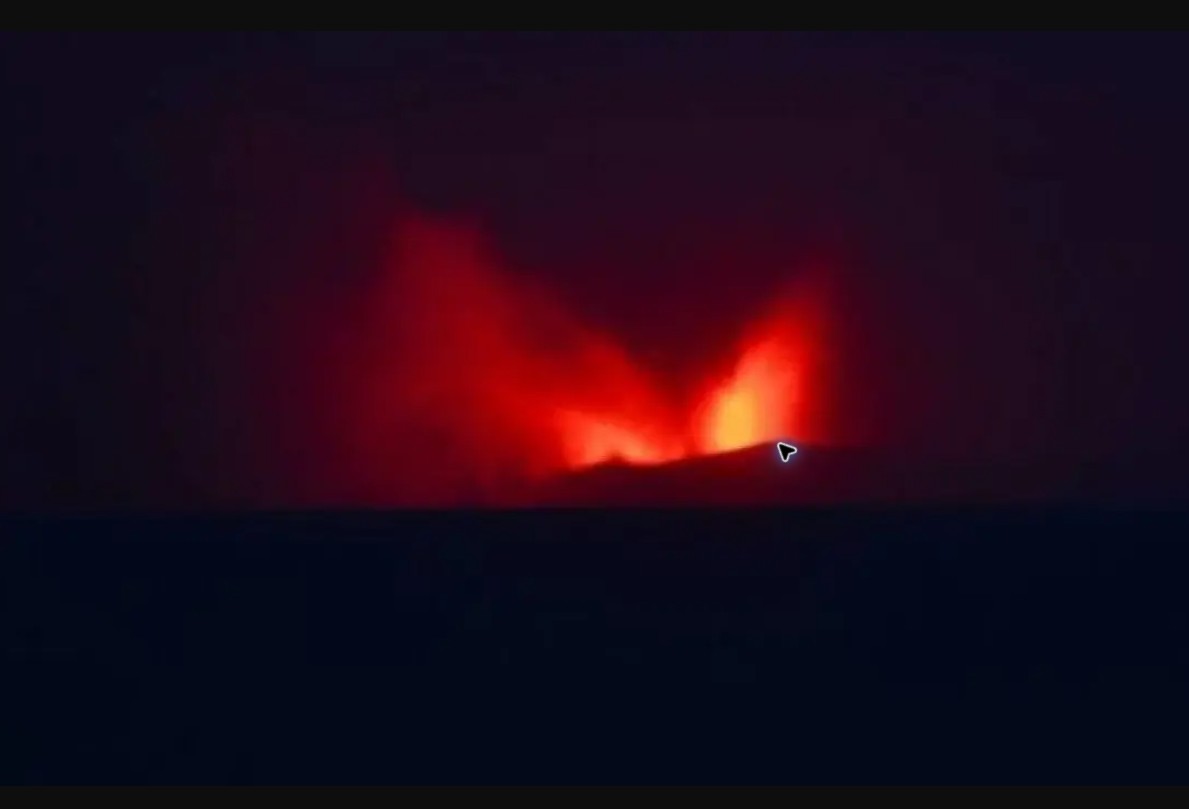
The activity did not simply disappear after the long episode ended. The Associated Press reported on Sept. 8 that four later eruptions were recorded, including events lasting 19 seconds and 17 seconds. The report said the activity had shifted back toward Strombolian characteristics, with intermittent explosions that can eject lava, ash and incandescent material.
The change in activity is important for travel because volcanic ash can affect aircraft operations. AP reported that flights to and from Indonesia’s capital resumed after a two-day disruption, while earlier coverage described airport closures and thousands of affected passengers as ash moved across western parts of the country.
BMKG, Indonesia’s meteorological agency, said it was intensifying round-the-clock monitoring of the eruption’s effects on the atmosphere, flights and sea conditions around the Sunda Strait. The agency said it was coordinating with the Geological Agency, AirNav Indonesia, airport operators and other authorities.
The official information supports a careful description of the situation. The long continuous eruption has ended, but Anak Krakatau remains an active volcano under observation. Shorter eruptive events and volcanic tremors mean conditions can change, so travel decisions should follow current aviation and emergency notices.
The episode is also a reminder that an eruption’s operational impact can continue after the most intense phase stops. Airlines, airports, schools and transport operators need fresh information about ash movement and local restrictions rather than relying on the status from the first day.
Residents and travelers should use updates from Indonesia’s Geological Agency, BMKG, BNPB and airport authorities. The verified development is a reduction from the continuous eruption, not a declaration that every risk has ended.

Follow iNews Zoombangla On Google
Open the Google follow page and tap the checkmark option to receive more updates from iNews Zoombangla in your Google news feed.