The Great Western Railway trackside fire caused a major service interruption near London Paddington, but the railway disruption has now been cleared. National Rail said services between London Paddington and Reading returned to normal after an electricity-supply failure caused by a fire next to the track.
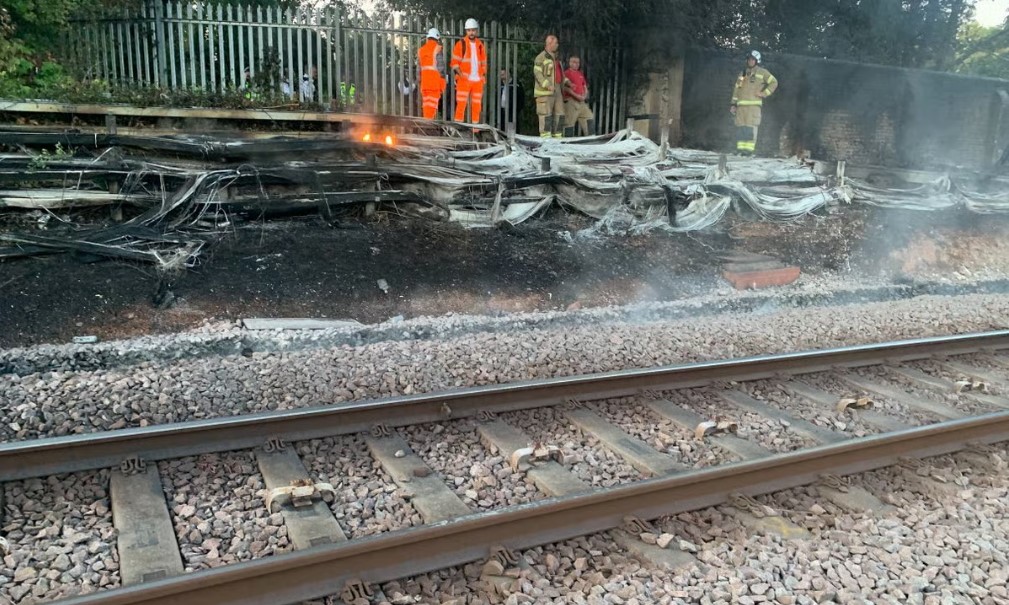
The incident was reported on September 5 and cleared at 4:57 AM on September 6, according to the National Rail disruption record. The recovery time matters because the failure affected a corridor used by GWR and Elizabeth line services. It also disrupted trains serving Heathrow.
The Guardian reported that hundreds of passengers were evacuated during the incident. Its account said 380 people were removed from an Elizabeth line train and that six fire engines and about 40 firefighters attended the scene.
For the railway companies, the event was an infrastructure and operations problem. A fire beside the track can damage power equipment, restrict access for emergency crews and prevent trains from using an otherwise open route until the area is checked.
GWR canceled services during the disruption and advised passengers to check before traveling. Those warnings applied to the live incident window and should not be treated as proof that the same disruption is continuing after National Rail recorded the line as clear.
The episode shows why operators need recovery plans that cover more than rolling stock. Passenger communications, evacuation procedures, access for responders, electrical inspections and the ability to restore power all affect how quickly a network can reopen.
Businesses that rely on rail also feel the effect through staff travel, airport connections and time-sensitive deliveries. The cost is difficult to calculate from the public reports alone, so it would be wrong to attach a wider financial loss without an operator or regulator estimate.
National Rail’s record and the Guardian’s independent report agree on the central facts: a fire near the track disrupted services, power supply failed, passengers were evacuated and normal services later resumed.
Customers planning a journey should use the live National Rail or operator status page for current information. The verified event is a completed disruption and recovery, not an active service warning at the time of this report.

Follow iNews Zoombangla On Google
Open the Google follow page and tap the checkmark option to receive more updates from iNews Zoombangla in your Google news feed.