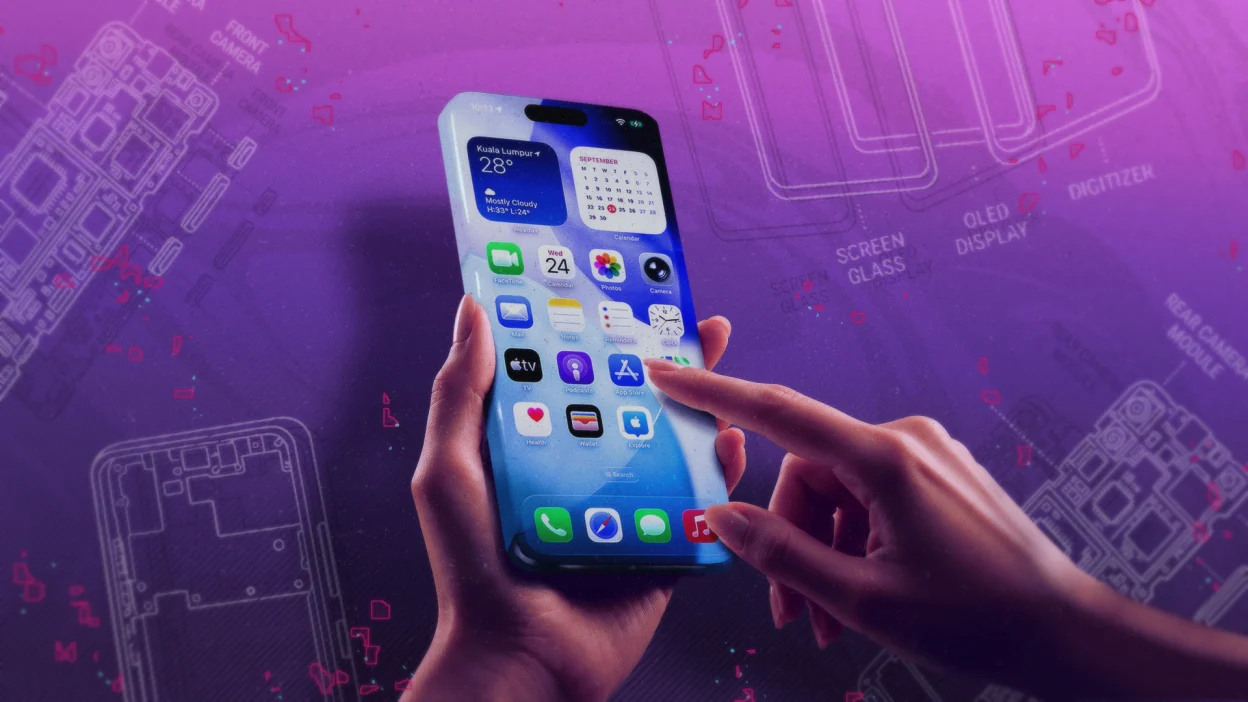
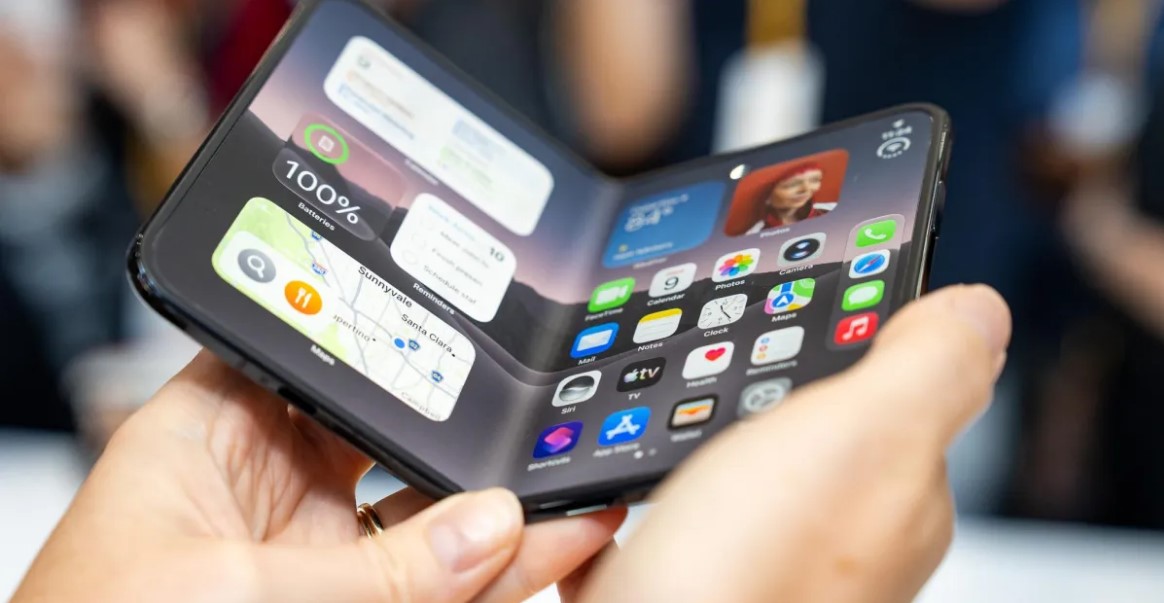
Apple executives have offered new detail on the choices behind iPhone Duo, the company’s first foldable phone. MacRumors reported comments covering the display, hinge, secrecy and pricing. The discussion is useful because the Duo is not just a new screen size; it is a new hardware and software platform that must behave like an iPhone in two physical positions.

Apple’s official announcement says the Duo opens to a 7.6-inch inner display and closes to a 5.4-inch outer display. Both screens share the same aspect ratio, which helps content move between them without a dramatic change in shape. Apple also describes a precision hinge and a design intended to feel smooth when the device is opened or closed.
That physical design creates software work as well. Apps need to understand the transition between the outer and inner screens, while iOS must preserve context as the user changes position. The official announcement places multitasking, gaming and viewing at the center of the Duo’s use case. The company has not presented the foldable as a simple larger iPhone with a hinge added later.
Secrecy also becomes harder when a product requires suppliers, display testing and long durability work. Apple’s executives described a process that kept the project contained while the company refined the hardware. The details do not prove that every engineering challenge has been solved, but they explain why a first-generation foldable can take longer to reach the market than a conventional annual update.
Price is part of the trade-off. A foldable display, hinge and two-screen system require more components than a standard phone, and Apple is positioning the Duo as a premium product. Buyers should treat executive explanations as context rather than a guarantee of reliability. Early units still need independent testing for crease visibility, hinge wear, heat and repairability.
The iPhone Duo will be judged by how naturally it moves between closed and open use. Apple has supplied the hardware foundation and a matching iOS design. The next test is practical: whether apps, accessories and everyday routines make the foldable feel helpful rather than complicated. That answer will come from use after launch, not from the announcement alone.