Apple game controllers are back in the rumor cycle after MacRumors found two hardware profiles in an early macOS 26.7 release candidate. The devices are identified as T6502 and T1057, and the code includes standard controller controls such as thumbsticks, triggers, a directional pad and haptic features. The discovery is interesting, but it does not prove that Apple is preparing a retail controller.
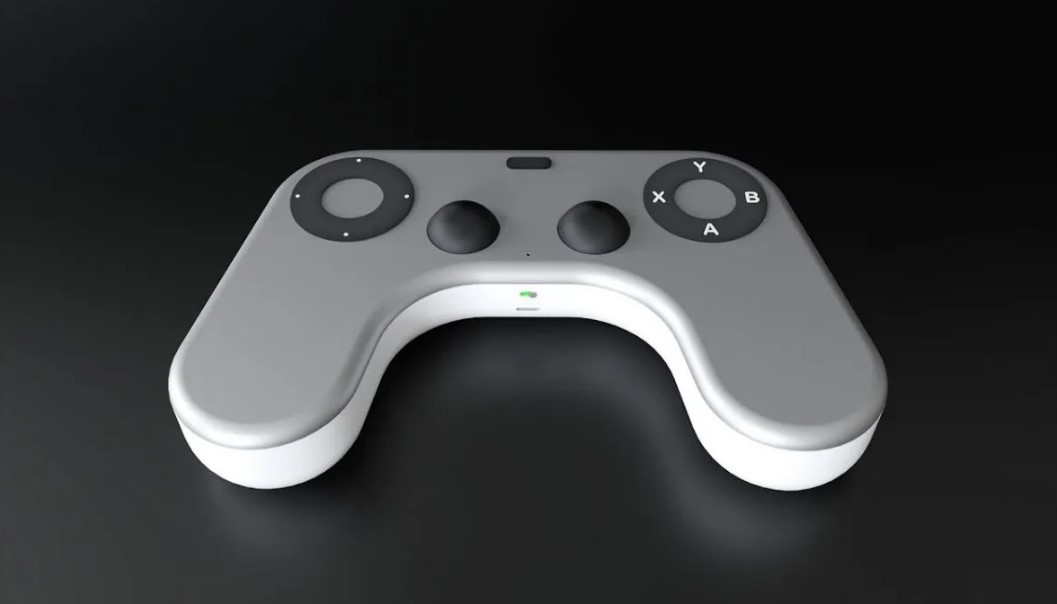
The evidence comes with an important limitation. MacRumors says the references were present in the first macOS 26.7 release candidate and removed from the second candidate. That could mean Apple abandoned the work, moved it to another software branch or removed internal testing code before release. Code names and hardware profiles can also describe test equipment rather than products intended for customers.
The two profiles appear to be slightly different. According to the report, T1057 includes an accelerometer and gyroscope, while T6502 does not. A motion sensor could support games that respond to tilting or movement, but the code does not explain how Apple would use the feature. There is no confirmed design, price, launch window, connection method or compatibility list for either device.
Apple already has a broad controller strategy without making its own gamepad. Apple Support documents wireless and wired connections for compatible Xbox, PlayStation and other Bluetooth controllers on Mac, iPhone, iPad, Apple TV and Vision Pro. Apple TV 4K and Apple TV HD can connect up to four Bluetooth game controllers at the same time, unless a Bluetooth audio accessory changes that limit.
That existing support makes an Apple-branded controller a harder product to define. A new device would need to offer something beyond familiar buttons and sticks. MacRumors points to possible advantages such as Find My, quick pairing across Apple devices or tighter integration with Apple Arcade. Those are potential differentiators, not features shown in the leaked profiles.
The rumor also arrives as Apple continues to promote gaming across more screens. The Apple Games app on Mac supports controller play, and Apple’s Game Controller framework gives developers a way to handle physical input in their apps. Those software tools make it easier for third-party hardware to work across the company’s devices. They do not signal that Apple has decided to enter the controller market.
For now, the Apple game controllers story is best understood as a glimpse into an internal test. The profiles show that Apple has at least explored controller-related hardware or compatibility work, but the removal of the code and lack of an announcement keep the project uncertain. Existing Mac and Apple TV owners do not need to wait for the rumored devices because supported third-party controllers already work today. Any future Apple controller will need a clear advantage to justify joining a crowded market.

Follow iNews Zoombangla On Google
Open the Google follow page and tap the checkmark option to receive more updates from iNews Zoombangla in your Google news feed.