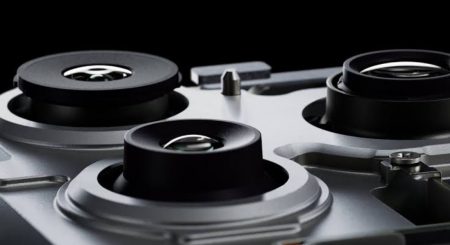
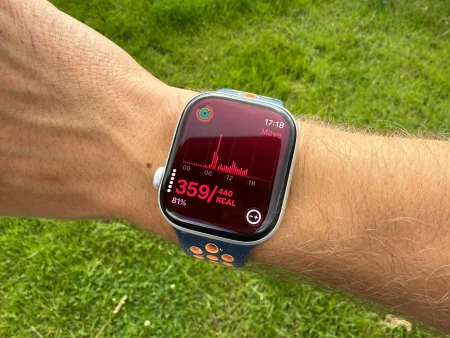
Garmin Fenix 9 is the company’s latest push to make an outdoor watch more useful during training, not just on a trail. Garmin says the new series adds enhanced stamina metrics, a shareable Garmin Epic activity view and a Pro range with satellite and LTE connectivity. The watches are already listed by Garmin, with prices starting at $999.99 for the standard Fenix 9.
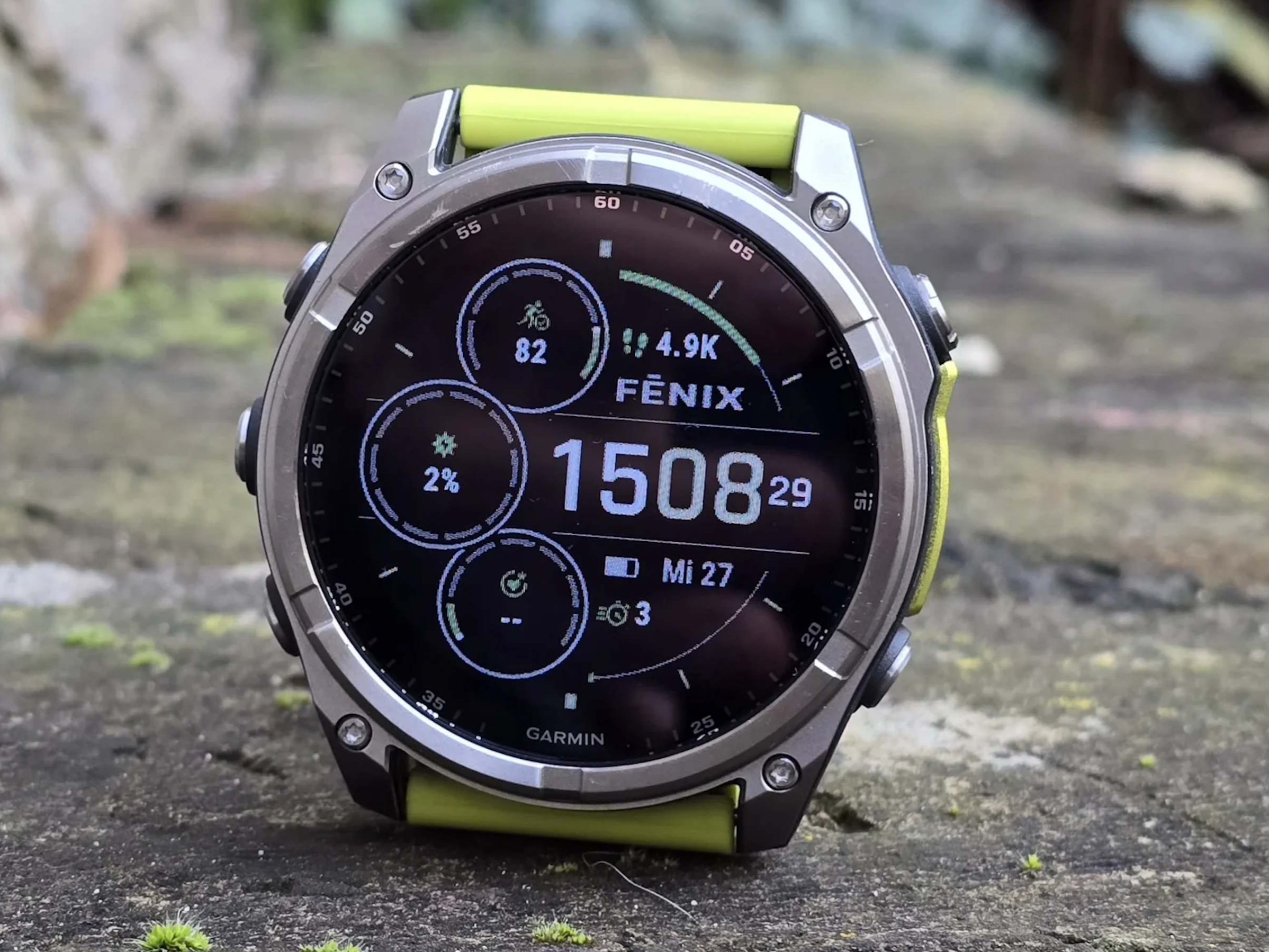
The central change is the way the watch presents effort. Garmin’s Fenix 9 documentation describes stamina zones that estimate endurance time for running pace or cycling power. The zones run from easy through maximum effort, giving an athlete a view of how long a current pace or power level may be sustainable. The estimate depends on a current VO2 max reading, so it should be treated as guidance rather than a guarantee.
A stamina curve adds a second view of the same training question. Garmin describes it as a way to see how aerobic and anaerobic work contributes to improving stamina. That can make a long training block easier to review than a list of individual sessions. The watch still cannot replace an athlete’s judgment, especially when heat, illness, sleep or terrain changes the demands of an activity.
Garmin Epic is aimed at people who want to review more than one workout at a time. Garmin says users can group multiple activities in Garmin Connect into a shareable story and add notes and photos. It is a software feature, so the value will depend on how well the app organizes the data and whether users want to publish a personal training record.
The Pro models add a larger hardware distinction. Garmin says Fenix 9 Pro includes built-in satellite and LTE connectivity for voice, text and SOS communication, although an active plan is required and coverage is not available in every region. That means the feature is best understood as a safety and communication option for supported areas, not a replacement for a normal mobile connection.
The standard Fenix 9 still targets long battery life. Garmin lists up to 29 days in smartwatch mode for the largest size, while the Fenix 9 Pro can reach up to 31 days and the solar models up to 57 days under Garmin’s stated conditions. Actual results will vary with GPS use, display settings, LTE or satellite activity and other features.
The Fenix 9 also matters to existing owners because Garmin is carrying some software ideas to older watches. Garmin’s release coverage and product documentation identify stamina zones and other training tools as part of the wider feature story. Owners should check the company’s compatibility list before assuming a feature will arrive on a particular Fenix 8, Forerunner, Enduro or Tactix model.
Garmin Fenix 9 is therefore less about a radical redesign than about adding more context to workouts and more communication options to the Pro line. Garmin has published the product specifications and pricing, while the final buying decision will depend on size, display, connectivity plan and whether the new training views are useful for a user’s routine.

Follow iNews Zoombangla On Google
Open the Google follow page and tap the checkmark option to receive more updates from iNews Zoombangla in your Google news feed.