China’s Cyberspace Administration approved Apple Intelligence on July 15, clearing the way for the company to bring its AI features to the world’s most populous market. The approval hinges on integrating Alibaba’s Qwen AI model into Apple’s operating systems, including iOS, iPadOS, macOS, and visionOS.
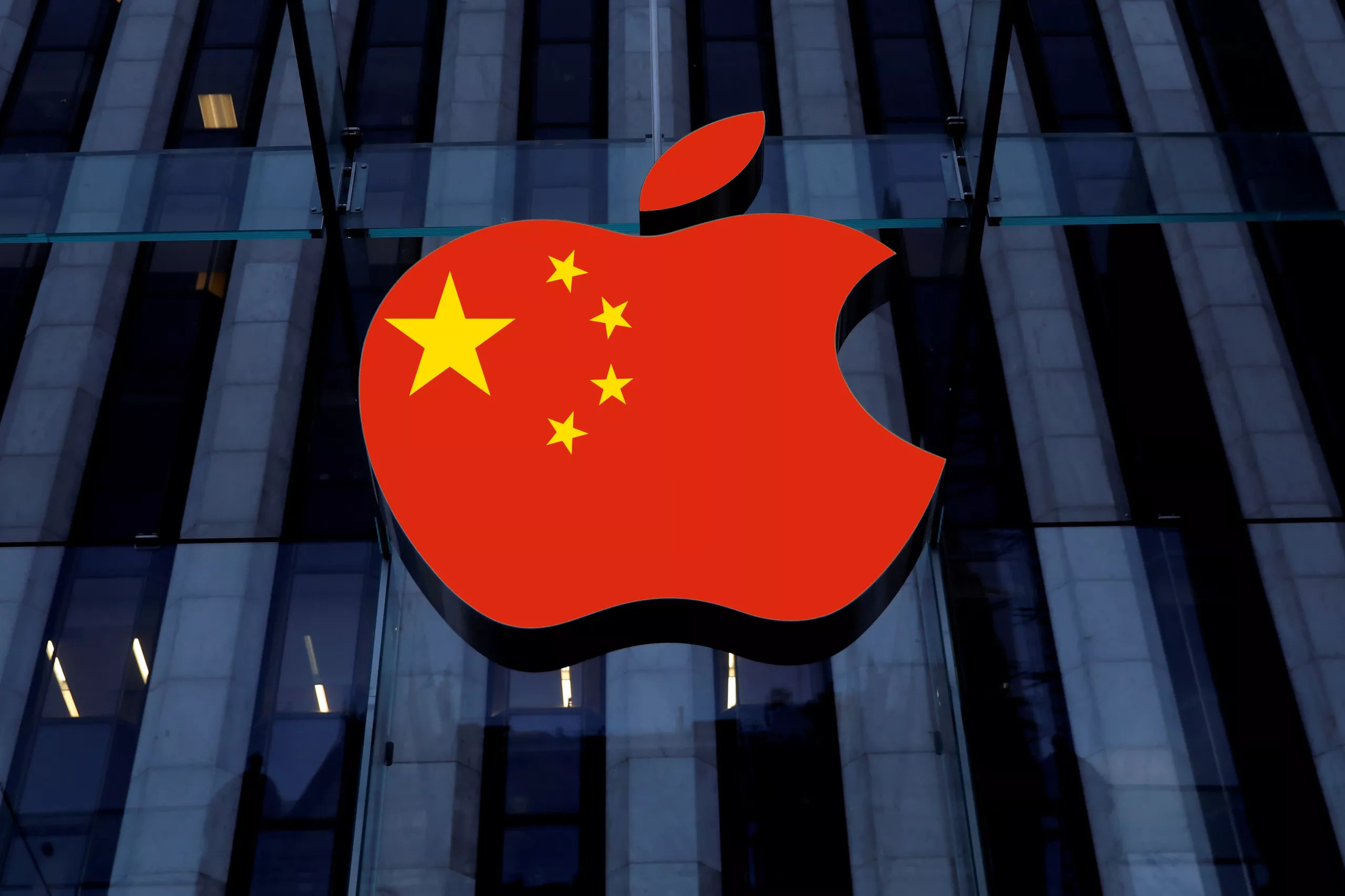
Alibaba’s U.S.-listed shares rose 4% on the news. The stock reaction reflected investor confidence in a major partnership that expands Alibaba’s AI footprint and gives Apple the regulatory clearance it needed for China.
A Partnership of Necessity and Opportunity
Apple has built Apple Intelligence into its devices, but China requires localized AI services. Rather than develop a separate system for the Chinese market, Apple partnered with Alibaba. Qwen, Alibaba’s AI model, is competitive with leading Chinese AI systems. The integration uses compressed versions of the model to run directly on iPhones.
This isn’t unusual in China. Global tech companies operating in the country often partner with local providers to meet regulatory requirements and data residency rules. What’s significant is that Qwen is genuinely powerful. Alibaba has invested heavily in AI, and it shows in the model’s capabilities.
What This Means
For Apple, the approval unblocks a major market. China remains crucial for iPhone revenue. Apple Intelligence features that work elsewhere now work in China too. The company doesn’t have to maintain separate code or restrict features by geography.
For Alibaba, the partnership validates Qwen as enterprise-grade AI. This has implications beyond this single deal. Alibaba now has credibility in AI infrastructure that could attract other partnerships.
China approved Apple Intelligence on July 15 with Qwen AI built in. The partnership shows how global tech companies adapt to local requirements while maintaining feature parity worldwide.

Follow iNews Zoombangla On Google
Open the Google follow page and tap the checkmark option to receive more updates from iNews Zoombangla in your Google news feed.