Apple’s Mac mini M6 update is attracting attention because it combines a familiar compact desktop with a more demanding question about storage and upgrade value. Apple says the new Mac mini uses the M6 or M5 Pro platform and adds modern connectivity, while Tom’s Hardware reported on the price difference between entry storage and larger-capacity options.
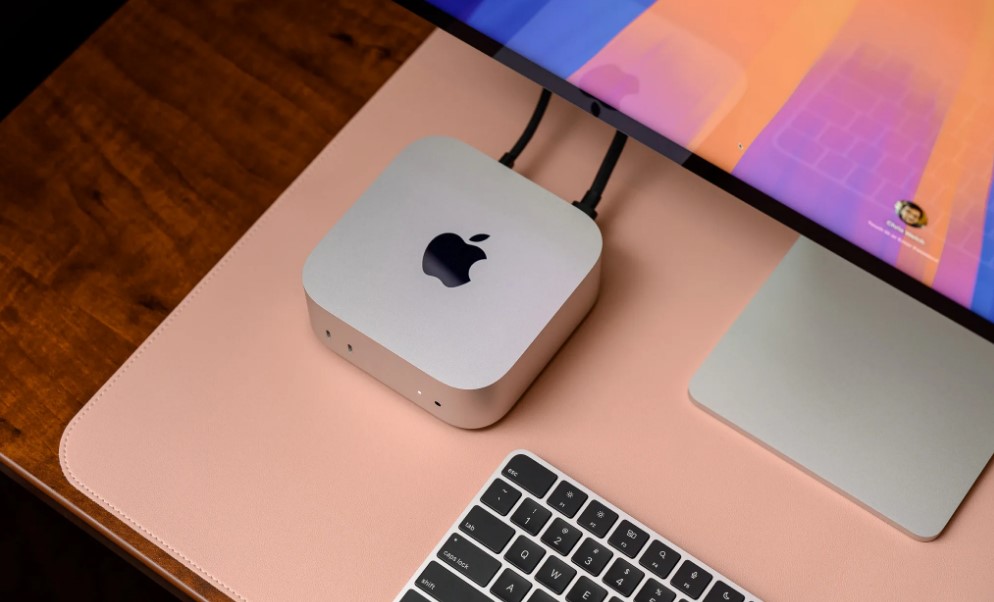
The compact form remains the product’s defining idea. A small desktop can sit behind a monitor, connect to existing peripherals and deliver more sustained power than a battery-powered notebook at a similar price. The trade is that the buyer supplies a display, keyboard and mouse, and must decide early how much internal storage the machine will need.
Apple’s product announcement highlights Wi-Fi 7, Bluetooth 6 and 2.5Gb Ethernet alongside the new processors. Those connections are useful for fast local networks and high-bandwidth accessories, but they do not automatically make every home or office network faster. Actual transfer rates depend on the router, cable, storage device and network traffic.
Tom’s Hardware’s price reporting puts the storage decision at the centre of the value discussion. Internal storage is often expensive to upgrade after purchase, while external drives can be cheaper but less convenient for large applications or active project files. Users working with video, photo libraries or AI models should compare the full system cost rather than the headline entry price.
The M6 and M5 Pro versions are not interchangeable. The stronger configuration may appeal to developers, editors and creators who need more sustained compute, while the standard model can be enough for office work and everyday media. Apple’s launch materials do not establish that every application will scale equally across the two chips.
The Mac mini M6 story is consequently about a high-performance small desktop and the limits of an apparently affordable configuration. Apple confirms the hardware and connectivity; independent coverage adds pricing context. Before buying, users should price memory, storage, monitor and accessories together, then compare the resulting total with a notebook or a larger desktop.

Follow iNews Zoombangla On Google
Open the Google follow page and tap the checkmark option to receive more updates from iNews Zoombangla in your Google news feed.