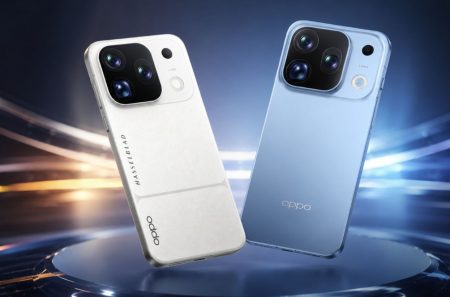
Global smartphone shipments fell 6.7% year-on-year in Q2 2026, landing at 277.5 million units. This marks the second consecutive year of decline. Yet Apple and Samsung bucked the trend, each posting growth and widening their lead over rivals.
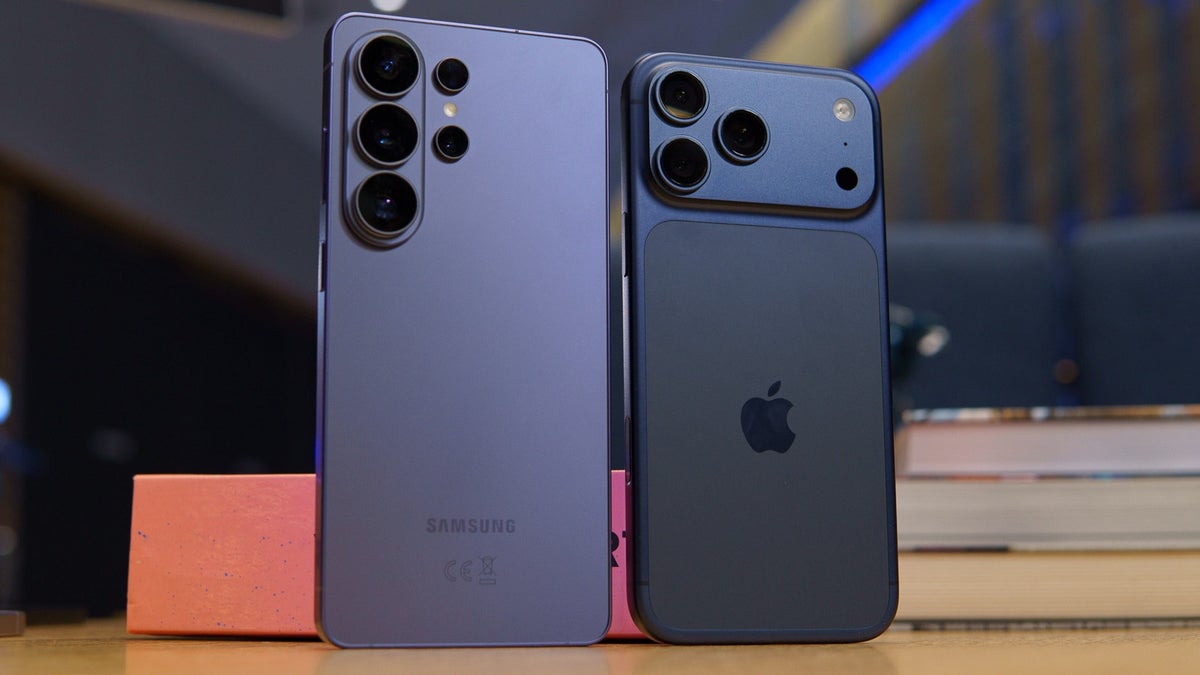
Apple secured record Q2 shipments driven by strong demand for the iPhone 17. The company is now forecast to capture 22% of annual smartphone shipments for 2026, an all-time high. Samsung grew shipments 15.3% in the same quarter, cementing its position as the only other manufacturer in the top tier to grow for two straight quarters.
Memory Costs Reshape the Market
Memory prices have climbed nearly 300% from a year earlier, now accounting for more than 65% of the bill of materials for entry-level phones. That squeeze is crushing smaller players who can’t absorb costs. Apple and Samsung secured memory supply early and sell mostly premium devices where memory is a smaller share of costs. This supply advantage has become a competitive moat.
Companies that bet on volume in low-cost segments are bleeding. Entry-level phones are barely profitable now. The market is consolidating around brands that can move upmarket or absorb margin pressure.
What’s Next
The overall market contraction shows smartphone adoption has plateaued in developed countries. Growth now depends on developing markets and upgrades rather than first-time buyers. Apple and Samsung dominate both segments. Their scale, supply chain control, and brand power make them nearly impossible to displace.
Smaller rivals can still win in specific geographies or price bands. But the days of three-way battles at the global level appear over.
Market share concentration typically predicts what innovation looks like going forward. Expect Apple and Samsung to set trends, and everyone else to chase.

Follow iNews Zoombangla On Google
Open the Google follow page and tap the checkmark option to receive more updates from iNews Zoombangla in your Google news feed.