A geological structure hidden beneath eastern England is giving researchers a new view of the region’s ancient past. Scientists from the British Geological Survey and the University of Oslo found tiny zircon crystals that point to a supervolcano eruption about 454 million years ago.
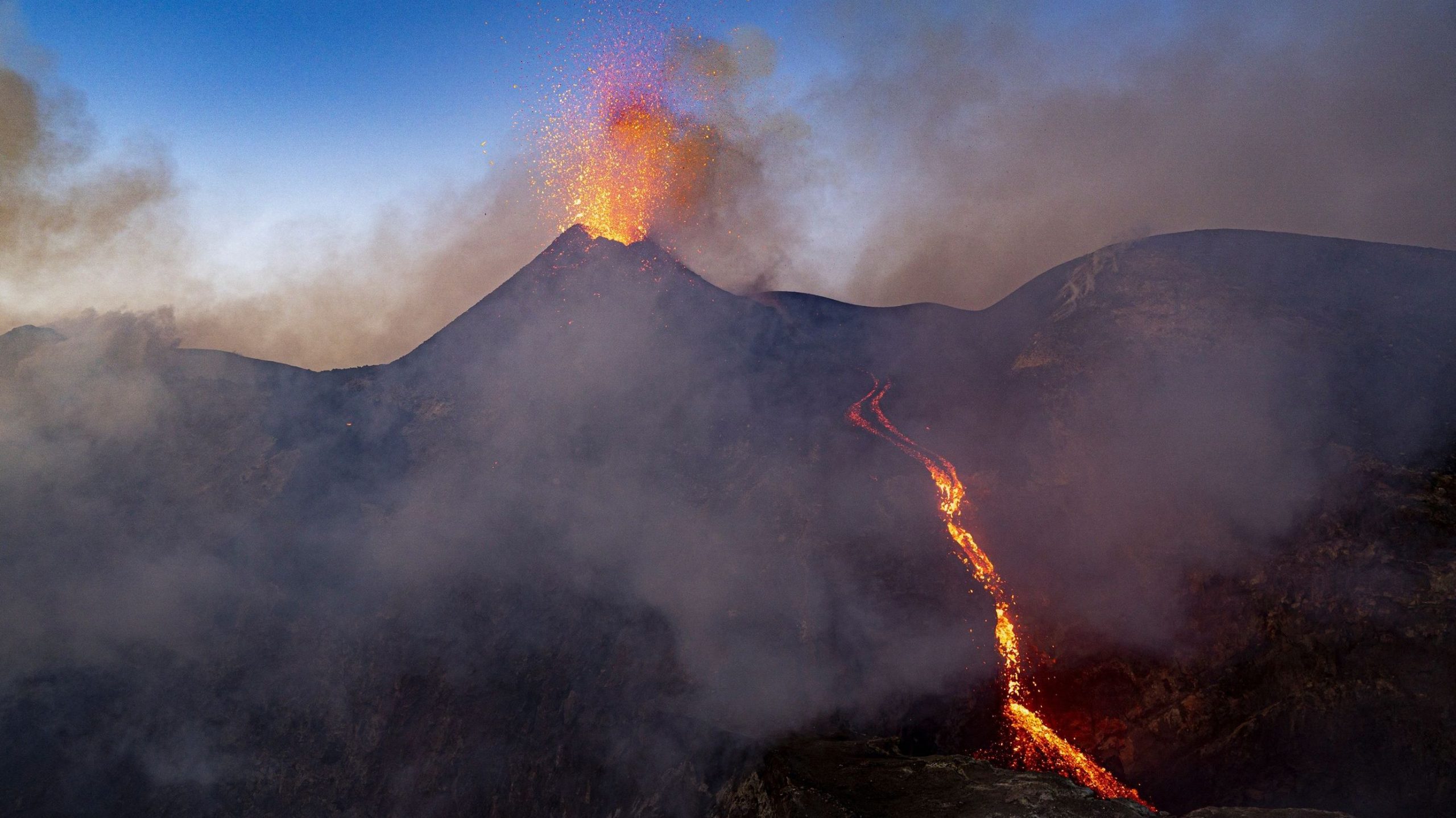
The evidence came from boreholes in Lincolnshire and Norfolk, about 65 kilometres apart. The crystals preserve chemical and age signals from volcanic material that was later buried. The two sites produced matching results around 454.4 million years ago. That match matters because it links rocks separated by distance to the same volcanic episode rather than to unrelated local events.
The researchers connect the findings to the Kinnekulle volcanic ash layer known from Scandinavia. During the Ordovician period, the area that is now England sat in a very different position on Earth. The study suggests that ash travelled across the Tornquist Sea and settled over a broad region. Much of the original volcanic system is now concealed below younger rocks, so the borehole samples provide a rare look at what is underneath.
The samples also contained a younger zircon age of about 453.70 million years. That result may record a later stage of activity or material from another related event. The age difference is small in geological terms, but it gives researchers another point to test as they refine the history of the buried igneous complex.
The work does not mean a volcano is active beneath modern England. It describes a long-vanished system from a period when the continents, oceans and climate were different. Its value is in showing how much information can remain in small mineral grains, even when the larger regional volcanic system has disappeared.
Researchers used the zircon record to tie the English samples to a wider eruption history. The result also shows why old borehole collections continue to matter. A sample gathered for one purpose can answer a new question when improved dating methods and regional comparisons become available.

Follow iNews Zoombangla On Google
Open the Google follow page and tap the checkmark option to receive more updates from iNews Zoombangla in your Google news feed.