Brandon Nakashima has become one of those players that gains attention in straightforward ways: by keeping his movement clean and his timing reliable under grass-court pressure. Wimbledon is often noisy in narrative, so a calm style can stand out simply because it survives the week.
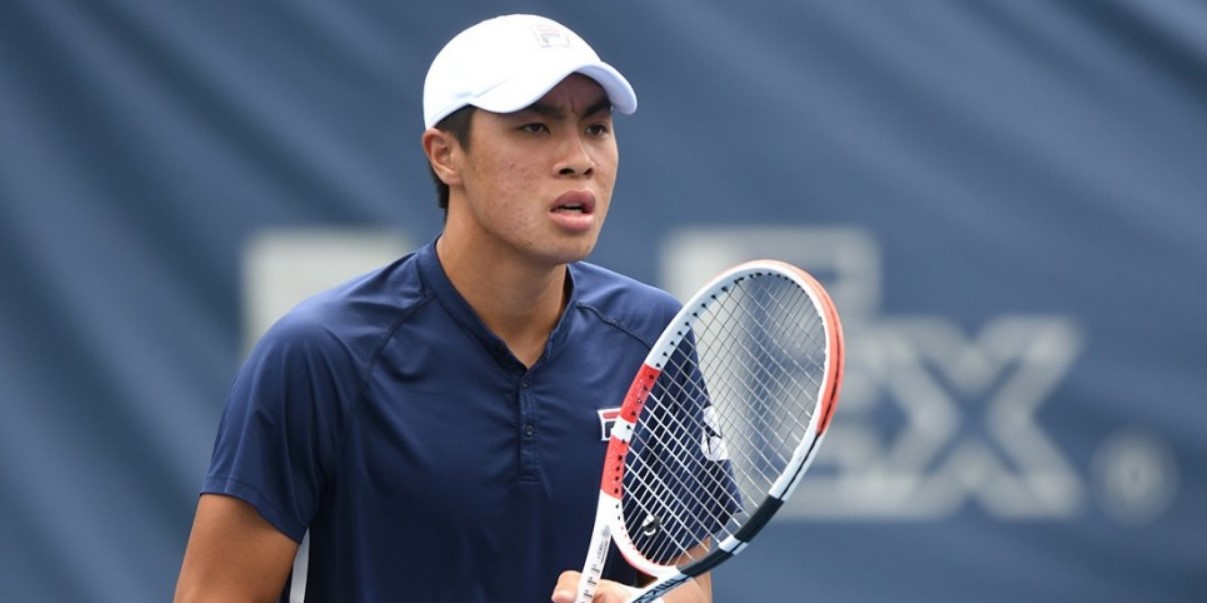
Fans and analysts are treating this stretch as a practical test of movement quality more than headline excitement. When rallies shorten and points compress, players who can choose the right pace quickly often become the ones who stay in the conversation. Nakashima fits that pattern with fewer mistakes and more controlled transitions.
Why this style can stay visible
On grass, movement quality often outruns raw aggression when conditions change quickly. Nakashima has been seen using compact preparation and cleaner footwork to keep pressure down and recover shape between points. That is why he can remain in reader focus even when the louder storylines move elsewhere.
His run matters because it reflects how players with balanced structures can survive compressed schedules and unpredictable breaks. Not every athlete needs one explosive headline to stay in the narrative. Sometimes consistency itself is the headline when tournament rhythm punishes overreach.
What to watch as rounds tighten
For sports readers, the useful check is how composure translates into point control and recovery windows. If Nakashima keeps reducing unforced pressure, the storyline remains practical and useful. If his rhythm slips, attention can move quickly too. Either path makes this tournament phase compelling and easy to follow.
The value is in continuity. Wimbledon often rewards the player who stays stable as noise increases, and that is where this profile remains relevant right now.