Cape Verde achieved the unthinkable at the 2026 FIFA World Cup. The Blue Sharks, the smallest nation to qualify for the tournament, forced a 0-0 draw against Spain in a display of tactical mastery that confounded football’s elite. The result marked one of World Cup’s greatest underdog moments.
Cape Verde’s success relied on a compact 4-5-1 defensive formation designed to neutralize Spain’s possession advantage. The key lay in maintaining minimal gaps between defensive and midfield lines. When Spain attempted to shift play backward expecting midfielders to engage and create separation from defenders, Cape Verde refused the invitation, maintaining shape discipline throughout the match.
Following that performance, Cape Verde secured a 2-2 draw against Uruguay, cementing their reputation as tournament Cinderellas. The results defied conventional World Cup wisdom suggesting larger nations with superior resources inevitably dominated smaller opponents.
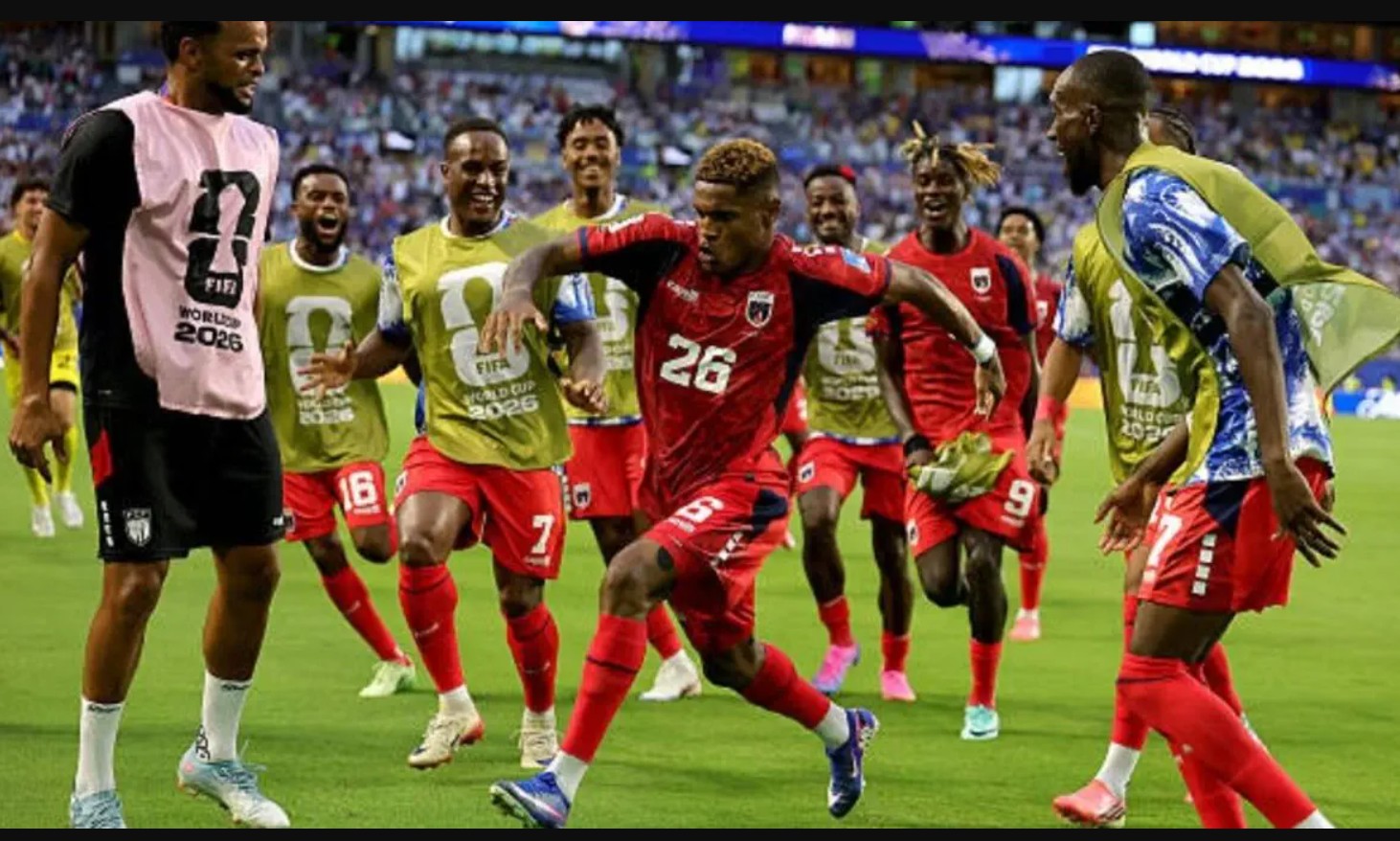
Matchday Five witnessed historic underdog performances across the tournament. Egypt earned a point against Belgium. Saudi Arabia battled Uruguay to a stalemate. New Zealand matched Iran in an entertaining encounter. The pattern suggested the expanded 2026 World Cup format created opportunities for smaller nations to compete on equal footing.
Industry analysts attributed the underdog surge to several factors. Expanded tournament format meant more matches and deeper tournament runs for unexpected teams. Modern defensive tactics and video analysis allowed smaller nations to identify weaknesses in traditional powerhouse approaches. Physical conditioning and preparation narrowed traditional gaps between elite and developing football programs.
The 2026 World Cup earned immediate reputation as one of football’s most unpredictable tournaments. Traditional favorites faced elimination threats from teams lacking historical pedigree but possessing tactical intelligence and collective commitment.

Follow iNews Zoombangla On Google
Open the Google follow page and tap the checkmark option to receive more updates from iNews Zoombangla in your Google news feed.