The attack targeted an area more than 1,000 kilometers from the Ukrainian border, underscoring the extended range Kyiv has developed for its drone program. Tatarstan is rich in energy resources and home to major oil refineries that Ukraine has repeatedly targeted in an effort to disrupt Russia’s fuel production and military logistics.
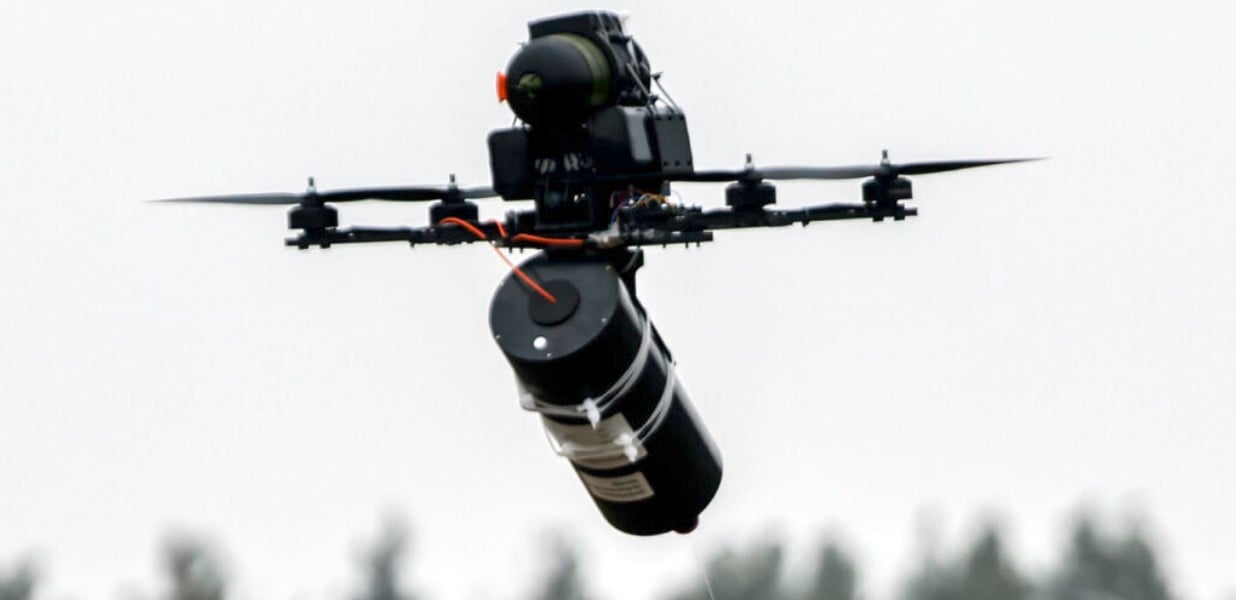
Russia’s defense ministry said it intercepted 456 Ukrainian drones overnight in attacks spanning roughly 15 regions, including Tatarstan, annexed Crimea and border areas closer to Ukraine. The scale of the barrage reflects the intensifying pattern of long-range strikes both sides have carried out in recent months.
United Nations Secretary-General Antonio Guterres condemned the rising civilian toll from strikes by both Russia and Ukraine, calling escalating attacks on populated areas a violation of international law that must stop immediately. His statement did not single out either side, reflecting the UN’s position that both militaries have struck civilian areas during the conflict.
Ukrainian officials have described the campaign against Russian energy infrastructure as a deliberate strategy to weaken Moscow’s war economy by cutting into fuel production and exposing gaps in Russia’s air defense network. Russian officials have characterized the strikes as attacks on civilian infrastructure and have used them to argue for continued Western pressure on Kyiv to negotiate.
Neither government has indicated any change in strategy following the Nizhnekamsk strike. Both sides have continued near-nightly drone and missile exchanges throughout the summer, with casualty figures from individual attacks now regularly reaching into the double digits on both sides of the border. The war, now in its fifth year, has shown few signs of a diplomatic breakthrough despite periodic rounds of indirect talks mediated by third countries.

Follow iNews Zoombangla On Google
Open the Google follow page and tap the checkmark option to receive more updates from iNews Zoombangla in your Google news feed.