EV car buyers in the US and UK are spending more time on ownership cost math than on headline range headlines alone. As soon as purchase cycles move from showroom excitement to real use, charging access, software update reliability and service response begin to dominate decision-making.
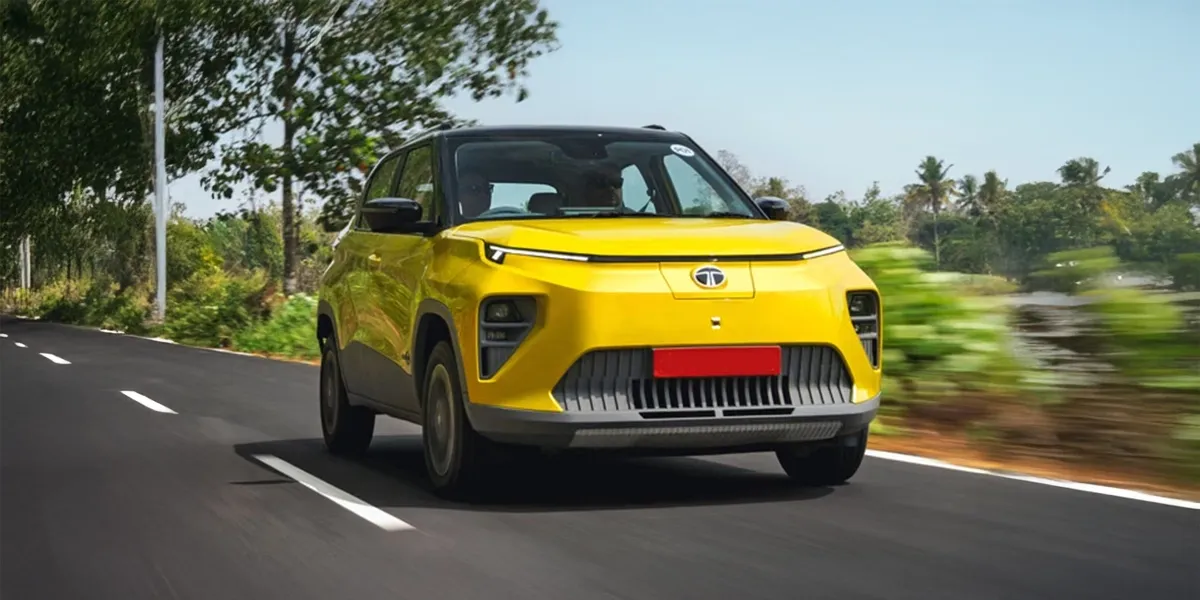
This is a practical shift. In many households, the EV decision is no longer just about initial price and trim level. It is about how often the car feels simple to use, how software behaviour affects daily confidence, and how easy it is to plan charging without constant interruptions.
Why charging routines now shape buyer trust
Charging is the most visible part of that trust. Buyers are comparing not just where fast charging is available, but how consistent the routine feels across week and weekend usage. If a routine becomes complex too quickly, value perception changes, even when the car’s base hardware remains strong.
Software updates are the second layer of confidence. Owners now ask how updates affect navigation, control features and energy behavior over time. Inconsistency can make even a strong model feel harder to trust when daily use is involved.
How this affects the next purchase cycle
For the market, this creates a calmer but stricter review style. Buyers are less impressed by launch claims and more impressed by evidence of consistent ownership support. That does not remove EV interest, but it changes the language from promise to practical operation in the first 90 days and beyond.
Ownership watchers are also checking cost predictability over the first few use cycles. If charging routines become complicated or service channels inconsistent, buyer comfort drops faster than expected. The result is more disciplined comparison across brands and support plans, not just powertrain labels.
That is why this segment remains in active watch: buyers want confidence that EV choice fits real life, not just launch headlines.

Follow iNews Zoombangla On Google
Open the Google follow page and tap the checkmark option to receive more updates from iNews Zoombangla in your Google news feed.