OpenAI shipped a series of ChatGPT updates in mid-July 2026, including a rebuilt voice feature powered by a new model called GPT-Live-1 that listens and speaks simultaneously. The company also released GPT-5.6 with improved reasoning, deployed a new search function, and introduced Presence, an enterprise product for deploying AI agents across voice and chat workflows.
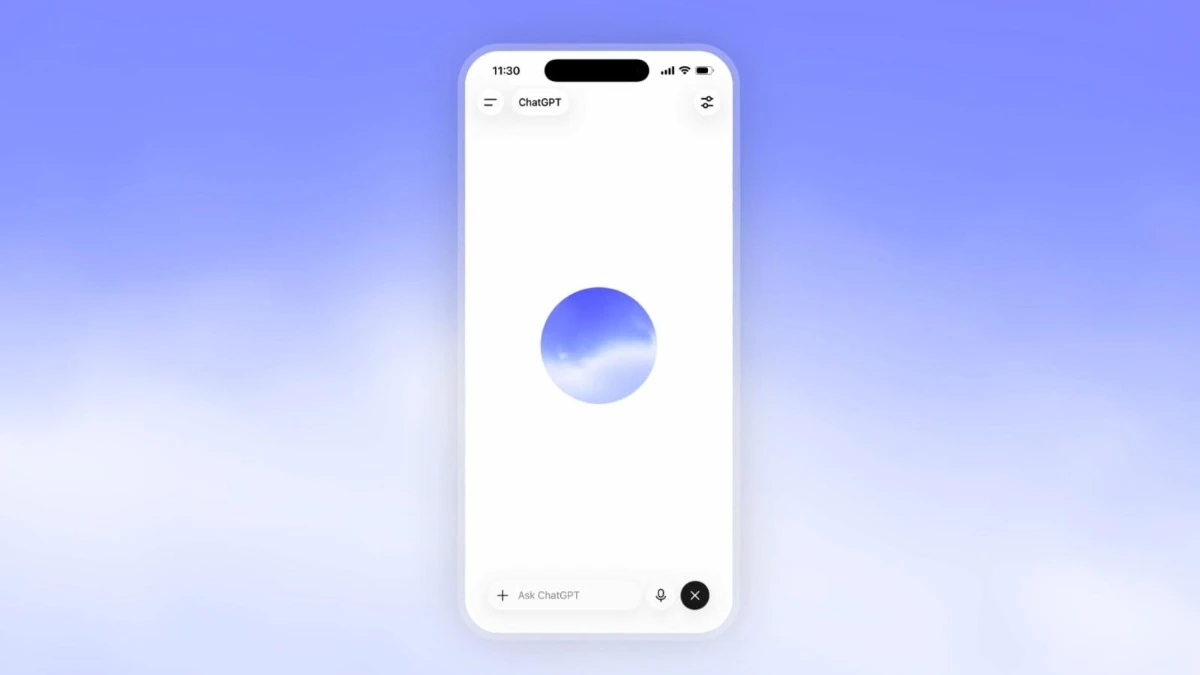
The voice upgrade matters most. Simultaneous listening and speaking eliminates latency—the delay where you finish a sentence and wait for the bot to respond. Conversations feel natural now.
Voice and Presence
GPT-Live-1 enables real-time, multi-turn dialogue. The model can interrupt, clarify, and respond mid-sentence. It’s a step toward conversations that feel human. Early testers reported surprise at how natural interactions became.
Presence, the enterprise product, packages voice, chat, and AI agent orchestration for teams building customer workflows. It includes policy guardrails, approved action sets, and simulation tools for testing before production deployment.
The Search and Chat Merge
New search functionality in ChatGPT lets users find conversations, projects, images, and documents across their account. The feature rolled out July 14 to web, iOS, and Android. It’s simple: typed search across your entire history.
The merge between chat and search matters because users now store everything—drafts, notes, research—inside ChatGPT. Search makes that library usable.
What Changed in Group Chats
Starting July 9, new group chats were disabled. Existing ones remain. The move suggests OpenAI shifted priorities toward enterprise use and away from social chat features. Group chats were underused; resources moved elsewhere.
ChatGPT’s evolution from a single-turn tool to a persistent, conversational assistant is nearly complete. These updates just moved the needle on naturalness.

Follow iNews Zoombangla On Google
Open the Google follow page and tap the checkmark option to receive more updates from iNews Zoombangla in your Google news feed.