The Commonwealth Games return to Glasgow in July, a multi-sport event featuring 215 gold medals across 10 days of competition. Athletes from across the British Commonwealth gather to compete in track and field, swimming, diving, badminton, squash, cricket, rugby sevens, and dozens of other sports.
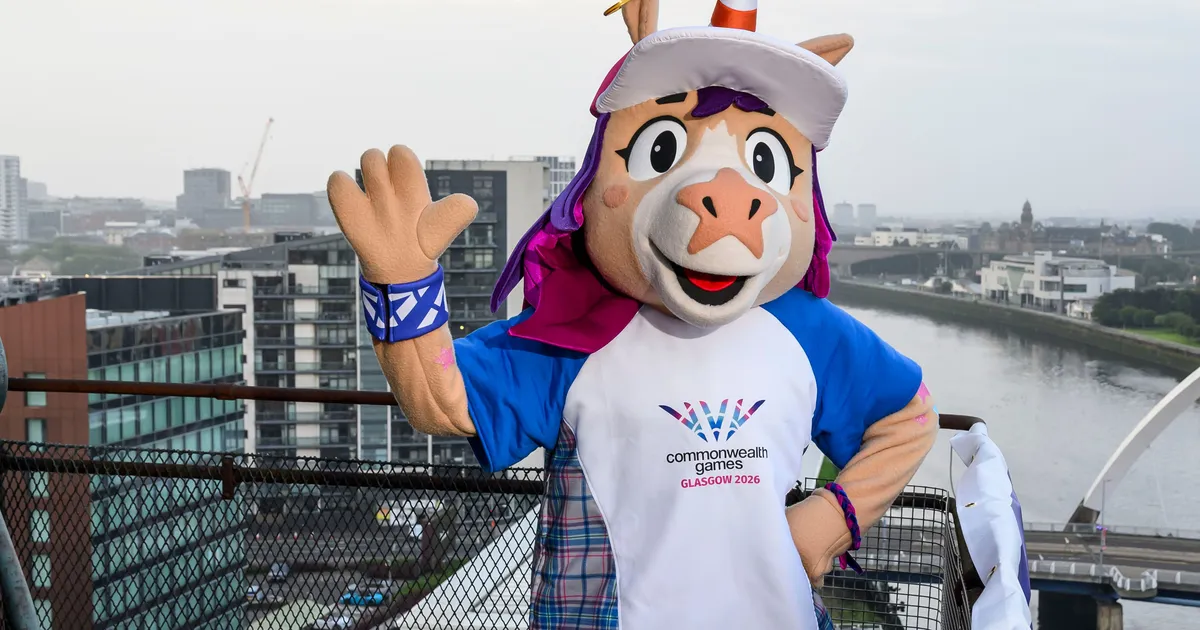
The Games are smaller than the Olympics. The budgets are smaller. The infrastructure demands are smaller. But for the athletes competing, the stakes feel equally real. You’re representing your country. You’re competing at the highest level in your sport. The medals count. The records matter.
The Commonwealth Games Matter Differently
The Olympics get the global attention. The Commonwealth Games get the deep athlete attention. These are competitions where swimmers peak, where sprinters run personal bests, where lesser-known sports get their moment. Cricket makes an appearance. Rugby sevens brings in the strongest teams globally. Badminton features the world’s best.
For smaller nations in the Commonwealth, the Games represent the biggest international stage their athletes will ever reach. That matters. That drives preparation. That drives performance. The second-tier label undersells the actual quality of competition.
What Glasgow Brings
Glasgow is a city with sports infrastructure. The Commonwealth Games use existing venues where possible. The opening ceremony will be in a city with real Olympic history. Scotland sent excellent athletes. England sent excellent athletes. Australia, New Zealand, India—the Commonwealth represents serious athletic talent across multiple continents.
The Games run 10 days. That’s a full slate of daily competition across multiple sports. If you’re a track and field fan, there’s something every morning. If you’re a swimmer, the pool deck is packed. If you care about sports generally, the Games are a constant feed of competition.
Glasgow hosts. The Games begin. For 10 days, Commonwealth athletes get their moment.

Follow iNews Zoombangla On Google
Open the Google follow page and tap the checkmark option to receive more updates from iNews Zoombangla in your Google news feed.