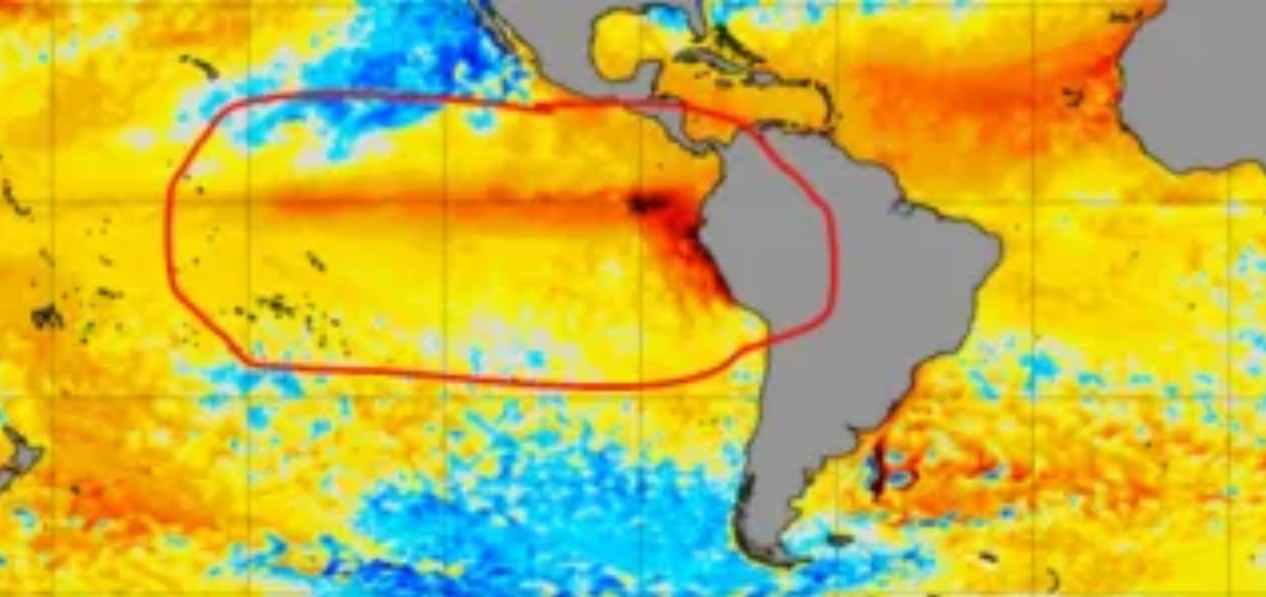
An official El Niño is now underway in 2026, with the National Oceanic and Atmospheric Administration (NOAA) warning of a greater than 50 percent chance that this phenomenon will intensify into a “super” El Niño event. A deep pool of warm water in the Western Pacific creates conditions for unusual weather patterns globally.
Scientists have declared it “virtually certain” that 2026 will rank among the 10 warmest years ever recorded. The year is also on pace to finish among the top five warmest years in recorded history, continuing a multi-decade trend of rising global temperatures.
El Niño conditions are expected to bring strong storms to Southern California and the American South while increasing wildfire risks in Western states. The phenomenon typically alters precipitation patterns and atmospheric circulation, creating predictable weather disruptions across different regions.
London Climate Action Week opened on June 22, bringing global climate leaders together to discuss turning climate ambition into delivered action. Discussions covered methane regulation, clean air, health impacts, economic competitiveness, and climate finance mechanisms.
Bangladesh’s meteorological department forecasts up to 10 heatwaves across the country over the next three months due to El Niño. Reduced monsoon rainfall and higher temperatures are expected to impact agriculture, water resources, and public health across South Asia.

Follow iNews Zoombangla On Google
Open the Google follow page and tap the checkmark option to receive more updates from iNews Zoombangla in your Google news feed.