The European Union’s Pact on Migration and Asylum entered into full force on Friday, marking the end of a two-year transition period following its adoption in May 2024. The pact is a set of ten binding pieces of legislation that overhaul how the bloc manages asylum applications, border security, and responsibility-sharing among its 27 member states.
The new rules require that asylum seekers first apply in the EU country they enter and remain there until it is determined which member state is responsible for their claim. Nationals of countries whose applications are approved less than 20 percent of the time will be fast-tracked through detention facilities near EU external borders.
Border screening under the pact covers anyone arriving at an EU external border without a valid entry visa. The process includes identity, security, and health checks and can last up to seven days. Full asylum procedures, including one level of legal appeal, must be completed within 12 weeks, with a possible eight-week extension.
Human rights organisations have criticised the pact’s detention provisions and expedited timelines. The International Rescue Committee said key safeguards for vulnerable migrants, children, and asylum seekers were still missing as the rules took effect. Several EU member states were also cited by the European Commission as having not yet completed the legal protections the pact requires.
The pact establishes a mandatory solidarity mechanism. Countries facing high arrival numbers can receive financial contributions or relocated asylum seekers from other member states. Countries that opt out of taking relocated applicants must make financial contributions instead. The mechanism is designed to ease pressure on frontline states like Greece, Italy, and Spain.
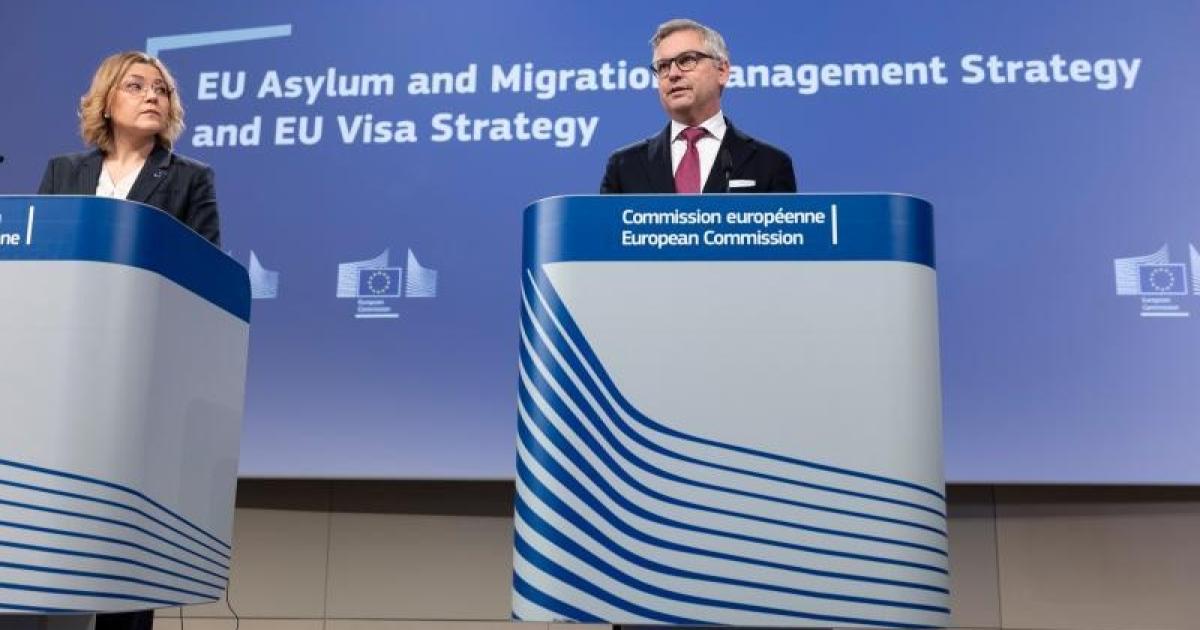
Friday’s entry into force coincides with an intense political debate about immigration across Europe. Pope Leo XIV visited the Canary Islands this week to meet migrants arriving by sea from West Africa, calling for an “examination of conscience” on how European governments treat those crossing borders. The broader political context in Europe has made migration a dominant issue heading into the autumn electoral calendar in several member states. Anti-immigrant unrest has also intensified in recent weeks following high-profile incidents in Northern Ireland. Lead MEPs held a press conference at the European Parliament to mark the pact’s entry into force. The Commission had previously linked migration policy to its broader foreign affairs stance, including economic pressure on transit countries. Implementation will be monitored over the coming months, with the first compliance reviews expected before the end of the year. Full details of the regulations are available through the European Commission’s home affairs directorate.

Follow iNews Zoombangla On Google
Open the Google follow page and tap the checkmark option to receive more updates from iNews Zoombangla in your Google news feed.