The European Union’s 21st Russia sanctions package includes a first-time restriction on Russian cod and white fish imports, a measure designed to cut into one of Russia’s most significant food export revenue streams and close a gap that previous packages had left open.
Russia is one of the world’s largest producers of Atlantic cod and pollock, which are widely sold in European supermarkets often under retailer own-label brands that obscure the country of origin. The new restriction would bar these products from entering the EU from July 2026, giving the bloc’s fish retailers and food manufacturers time to source alternatives from Norwegian, Icelandic, Alaskan, and other non-Russian suppliers.
The fishing sector measure was among the most contested elements of the package during member state negotiations. Several northern European and Baltic fishing industry representatives had lobbied against it, arguing that supply gaps would raise consumer prices and benefit non-EU processors. But proponents argued the revenue from fish exports was directly funding the Russian state budget.
Russia earned an estimated two billion euros from fish exports to the EU in 2024, the last full year before any restrictions took effect. Cod and pollock accounted for the majority of that figure. Analysts said alternative suppliers, particularly Norway and Iceland, have sufficient production capacity to cover most of the gap, though prices may rise modestly in the transition period.
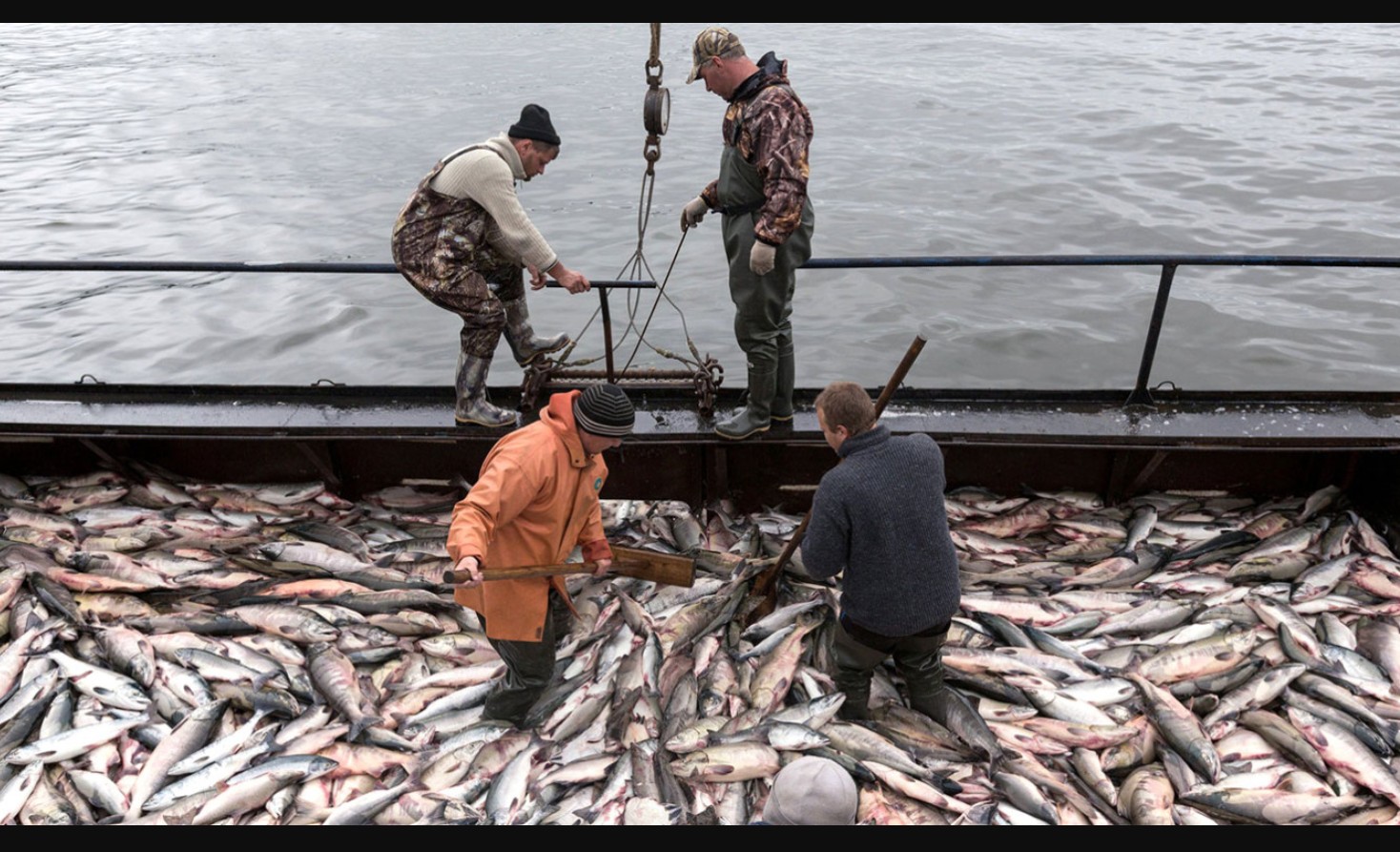
The ban adds to a growing list of Russian food and agricultural exports that have been restricted or scrutinised by the EU since the full-scale invasion of Ukraine in 2022. Previous packages had targeted fertilisers, certain agricultural machinery, and specific processed food products. Fish had been excluded from earlier rounds partly due to lobbying from coastal fishing communities in several member states.
Russia said the measure would be legally challenged at the World Trade Organization and would accelerate its pivot toward Asian markets for fish exports. Chinese and Southeast Asian buyers have already been increasing their purchases of Russian seafood as European markets have tightened.
The ban is expected to take effect thirty days after the package’s publication in the Official Journal of the EU. Importers and retailers have been advised to begin contract renegotiations immediately to avoid supply disruptions at the effective date.
The full text of the sanctions regulation is being published in the Official Journal of the European Union. The broader trade redirection dynamics affecting European technology markets are discussed in coverage of the Nubia Z80 Ultra’s European rollout. Supply chain diversification patterns are also tracked in analysis of the Xiaomi 17T Pro’s European market strategy and Google’s Pixel 11 European distribution.

Follow iNews Zoombangla On Google
Open the Google follow page and tap the checkmark option to receive more updates from iNews Zoombangla in your Google news feed.