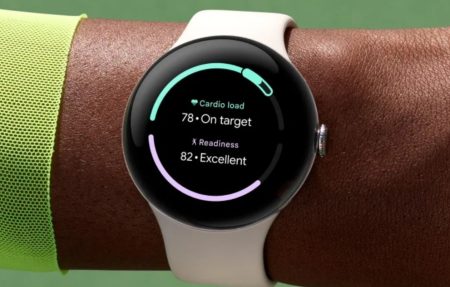
Google introduced the Fitbit Air in May 2026, positioning the device as its smallest and most discreet wearable yet. The Fitbit Air adopts a pebble form factor—a compact, rounded shape that fits easily into a pocket or clips to clothing without the bulk of a traditional smartwatch.
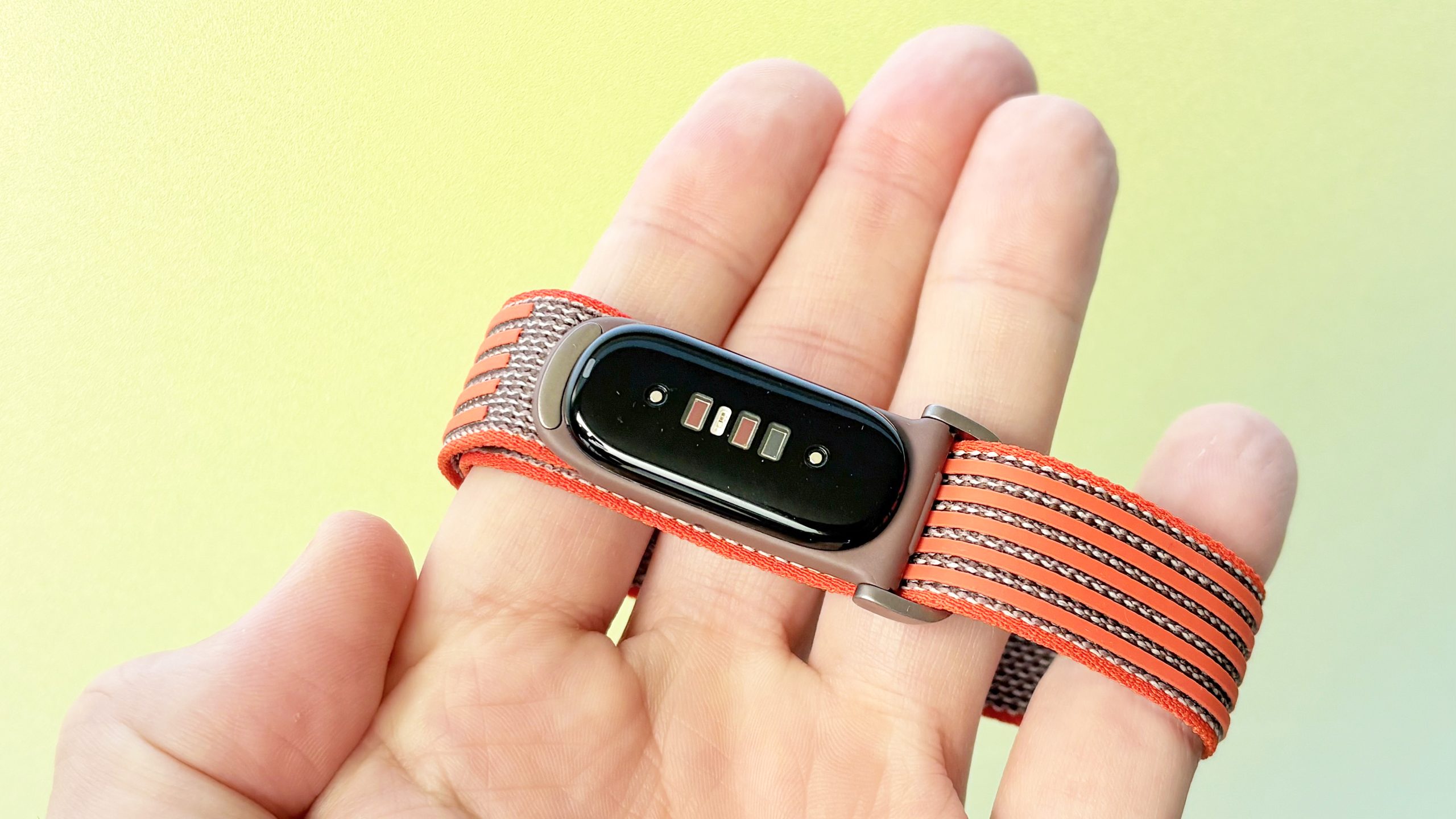
The device features high-fidelity sensor technology packed into a tiny footprint. Despite its diminutive size, Fitbit Air delivers comprehensive health tracking capabilities including 24/7 heart rate monitoring, advanced heart rhythm detection with atrial fibrillation alerts, blood oxygen level monitoring, and detailed sleep stage analysis. Users can track steps, calories, and multiple exercise types with the accelerometer and motion sensors.
Fitbit Air acts as a proactive wellness partner, the company claims. The device learns user patterns and surfaces personalized insights without requiring constant phone interaction. Notifications arrive through a subtle vibration system rather than a screen. Battery life extends significantly beyond traditional smartwatches, reaching multiple days on a single charge due to the absence of a display.
The tracker integrates seamlessly with Google’s ecosystem, syncing data to Google Fit and working across Android and iOS devices. Health insights appear in the Google Fit app, and users can set personalized goals for heart rate variability, sleep quality, and daily activity.
Fitbit Air fills a gap for users who find smartwatches too intrusive but want serious health tracking capabilities. Pricing positions the device as an accessible entry point to Fitbit’s premium health ecosystem, competing with simple fitness trackers that lack comprehensive health monitoring.

Follow iNews Zoombangla On Google
Open the Google follow page and tap the checkmark option to receive more updates from iNews Zoombangla in your Google news feed.