Flipper is developing an operating system for the Flipper One that uses separate profiles for different jobs. The company says the design is meant to keep a Linux-based multitool easier to reconfigure as users move between tasks.
Flipper’s official documentation describes a clean Debian-based base system and an overlay of operating-system profiles. A profile can contain installed packages, containers and configuration changes for a specific use, such as a router, desktop computer or media box.
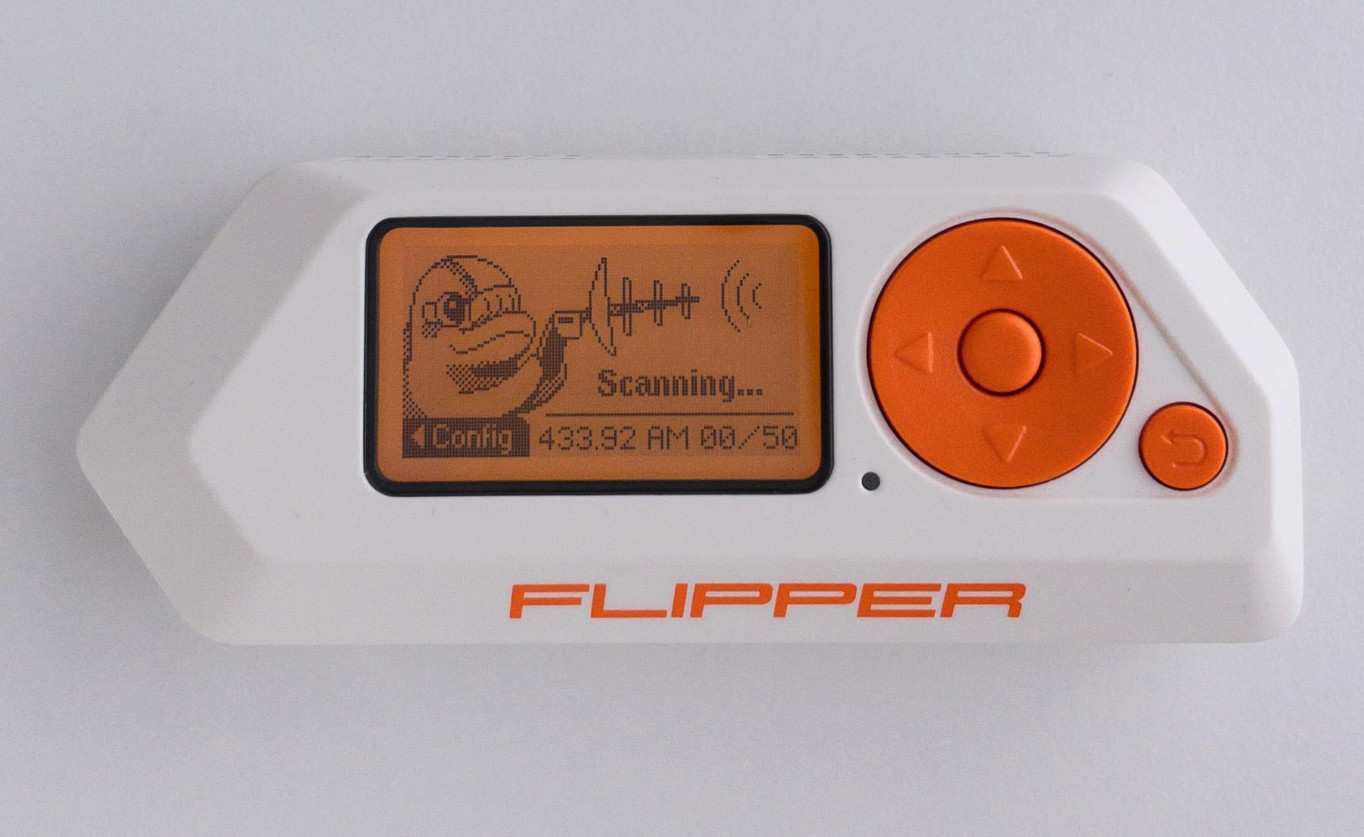
The profile model addresses a common problem with flexible Linux hardware. Repeated changes to one installation can make it difficult to return to a known working setup. Flipper’s design keeps the base system separate from user changes so profiles can be cloned, reset or moved between storage devices.
The company is also exploring atomic updates. An atomic update aims to switch from one complete system state to another instead of leaving a device half updated after a failure. Flipper’s documentation says the update mechanism is still being explored.
That distinction matters for a product that is intended to serve several roles. A failed update on a normal desktop can be inconvenient, but a failure on a router or radio tool can make the device unavailable until it is repaired. A predictable rollback path can reduce that risk.
Flipper says built-in profiles cannot be deleted, although users can clone them and create their own versions. Personal files are handled separately from the operating system. The arrangement is designed to keep documents and media independent from a profile reset.
The project is not a finished retail feature announcement. Flipper’s blog and documentation describe an operating-system concept and invite technical discussion about reliable updates. They do not provide a final release date, complete hardware specification or finished list of supported profiles.
The current news angle is the software architecture. Flipper One is being planned as more than a single-purpose gadget, and its profile system is intended to keep those uses separate. Developers and early users will need to test how quickly profiles switch and how reliably updates recover from errors.

Follow iNews Zoombangla On Google
Open the Google follow page and tap the checkmark option to receive more updates from iNews Zoombangla in your Google news feed.