Silverstone remains one of the calendar strongest rhythm testers, and this British Grand Prix preview is now focused less on hype and more on first practice outcomes. As teams finalise qualifying intent, grid position and early pace assumptions are carrying more weight in the media narrative.
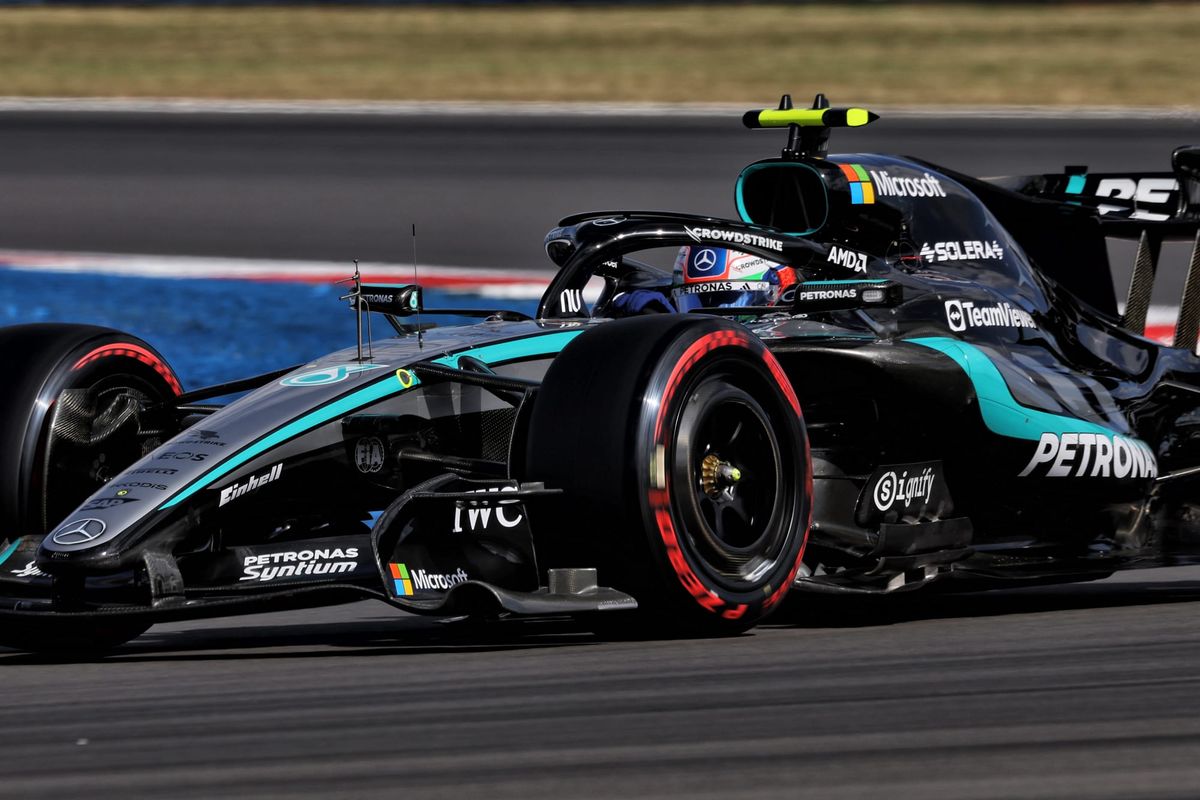
Weekend dynamics on this circuit can turn small set-up decisions into meaningful overtaking outcomes, especially where straight-line speed and corner stability need balance. That is why teams are being cautious about tire strategy and traction mapping while they test for consistency under race pace pressure.
What changed for the teams this week
Formula 1 coverage now has a practical angle: not simply who is fastest in theory, but who can hold rhythm from the start without losing control under long-run pressure. Engineers are being judged by how quickly they narrow the compromise between qualifying speed and race sustainability. Teams that get that balance right usually gain flexibility in the first phase of the race.
Drivers are also tied to a narrow margin in setup confidence. Silverstone punishes uncertainty when the lap window is short, and even minor mistakes in first laps can create a permanent gap in both pace and track position.
Why the preview still matters
For fans, the value is immediate. The British Grand Prix preview is now more than a fixture summary; it is a map of likely race shape. Teams are not only preparing for one Saturday; they are preparing for how one clean launch can shape the season narrative in the weeks around Silverstone.
That makes this race story timely for sports readers who follow technical detail and championship pressure.
This preview remains active for readers because Silverstone is still in the first planning phase. If qualifying outcomes match the setup logic, momentum can swing quickly toward one style of race. If strategy stays uncertain, teams will likely use the next 48 hours for adjustments and the narrative will keep moving before Saturday. It stays relevant because this is where preparation becomes the early story, not the post-race verdict.

Follow iNews Zoombangla On Google
Open the Google follow page and tap the checkmark option to receive more updates from iNews Zoombangla in your Google news feed.