The G7 summit in Évian is carrying a heavier economic agenda than its Iran-focused headlines suggest. Two structural issues — a looming US tariff deadline and a rare earth supply crisis — are pressing hard on the summit’s economic discussions and threaten to create friction between the United States and its European allies regardless of how the Iran peace deal settles.
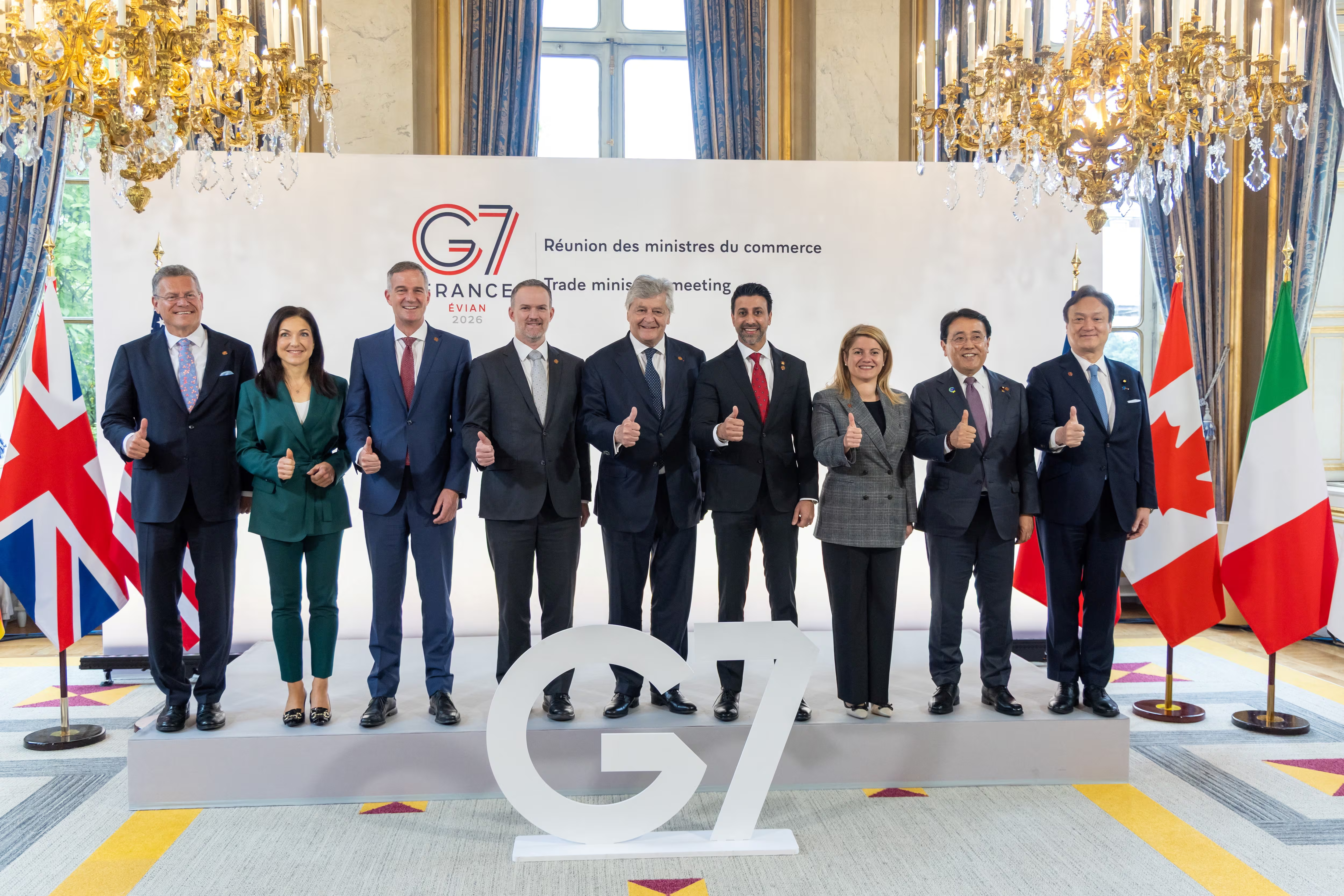
A universal 15 percent import tariff imposed by the Trump administration is legally set to expire on July 24. European governments arrived in Évian wanting clarity on whether the United States intends to renew the measure, modify it or let it lapse. The tariff has been a source of sustained tension between Washington and Brussels since its introduction, adding costs across sectors from automotive manufacturing to agricultural exports.
American officials have not indicated which direction the administration will go. The expiry date gives European governments less than six weeks to reach a deal if they want to avoid the tariff being renewed under new terms. French and German officials have said they would prefer a negotiated resolution before the deadline rather than a renewal imposed without consultation, but they have limited leverage to compel one.
The rare earth situation may be an even more fundamental long-term challenge. Europe sources all of its heavy rare earth elements and 98 percent of its rare earth magnets from China. The United States faces a similar dependency. Both face estimated direct economic losses of $1.5 trillion each if the supply imbalance is not addressed through diversification into alternative suppliers in Africa, Australia and Central Asia.
China’s grip on rare earth processing — not just mining — is the key bottleneck. Even when raw ore is extracted elsewhere, it almost always goes to Chinese processing facilities to be refined into the forms needed for electric motors, wind turbines, semiconductor equipment and defence systems. Building processing capacity outside China is a ten-year project at minimum, requiring significant public investment and coordination between allied governments.
Évian’s agenda includes a session on the rare earth question, with Macron pushing for a coordinated G7 investment and sourcing strategy. Progress at the summit level is unlikely to translate quickly into supply chain changes, but a joint statement with concrete commitments would give the effort more momentum than it currently has.
Euronews noted that AI governance is the third major economic topic on the Évian agenda, with France pushing for a coordinated framework on regulating large AI models. The convergence of these issues — tariffs, rare earths and AI — with the geopolitical discussions on Iran and Ukraine makes this one of the more substantively complex G7 summits in recent years.

Follow iNews Zoombangla On Google
Open the Google follow page and tap the checkmark option to receive more updates from iNews Zoombangla in your Google news feed.